iGEN
Visit IGEN World Explore IGEN Expo
EXPLORE UPGRADE PLANS
BREAKING
Relay Q: London Startup's AI Microphone Puts Hands-Free Voice Dictation on the Desktop Google Pixel 10a Crowned Best Budget Pixel in WIRED's Updated 2026 Buying Guide Global Steel Wire seeks fresh Santander terminal concession Veritas Shipmanagement books fresh ultramax pair at COSCO yard, Splash247 reports Seanergy linked to fresh newcastlemax at Hengli as dry bulk orderbook grows Weaker rupee may push foreign assets over FAST-DS Rs 1 crore limit, raising tax bill 45 Indian power plants face critically low coal stocks as monsoon hits supply SFL Makes Fresh $363m Car Carrier Play With Four LNG Dual-Fuel Newbuilds Iran Blacklist Threatens Hormuz Shuttle Tanker Lifeline for Gulf Crude Keyfield International Enters Dredging Market with $24.7m Vessel Acquisition Relay Q: London Startup's AI Microphone Puts Hands-Free Voice Dictation on the Desktop Google Pixel 10a Crowned Best Budget Pixel in WIRED's Updated 2026 Buying Guide Global Steel Wire seeks fresh Santander terminal concession Veritas Shipmanagement books fresh ultramax pair at COSCO yard, Splash247 reports Seanergy linked to fresh newcastlemax at Hengli as dry bulk orderbook grows Weaker rupee may push foreign assets over FAST-DS Rs 1 crore limit, raising tax bill 45 Indian power plants face critically low coal stocks as monsoon hits supply SFL Makes Fresh $363m Car Carrier Play With Four LNG Dual-Fuel Newbuilds Iran Blacklist Threatens Hormuz Shuttle Tanker Lifeline for Gulf Crude Keyfield International Enters Dredging Market with $24.7m Vessel Acquisition
Home ›› Regulations Compliance ›› Product Standards ›› India Poised to Ban Carbosulfan, Citing Health Risk to Human and Animal Population

India Poised to Ban Carbosulfan, Citing Health Risk to Human and Animal Population

India's Agriculture Ministry has proposed an immediate ban on the insecticide Carbosulfan under the Insecticides Act, 1968, following a Registration Committee recommendation that it poses risks to human and animal health. Stakeholders have until September 19 to submit feedback before the draft order takes effect. The ban would affect FMC India's Marshal brand and comes as FMC Corporation sells its India crop protection business to Crystal Crop Protection for $252 million.

iG
iGEN Editorial
August 25, 2026
India Poised to Ban Carbosulfan, Citing Health Risk to Human and Animal Population

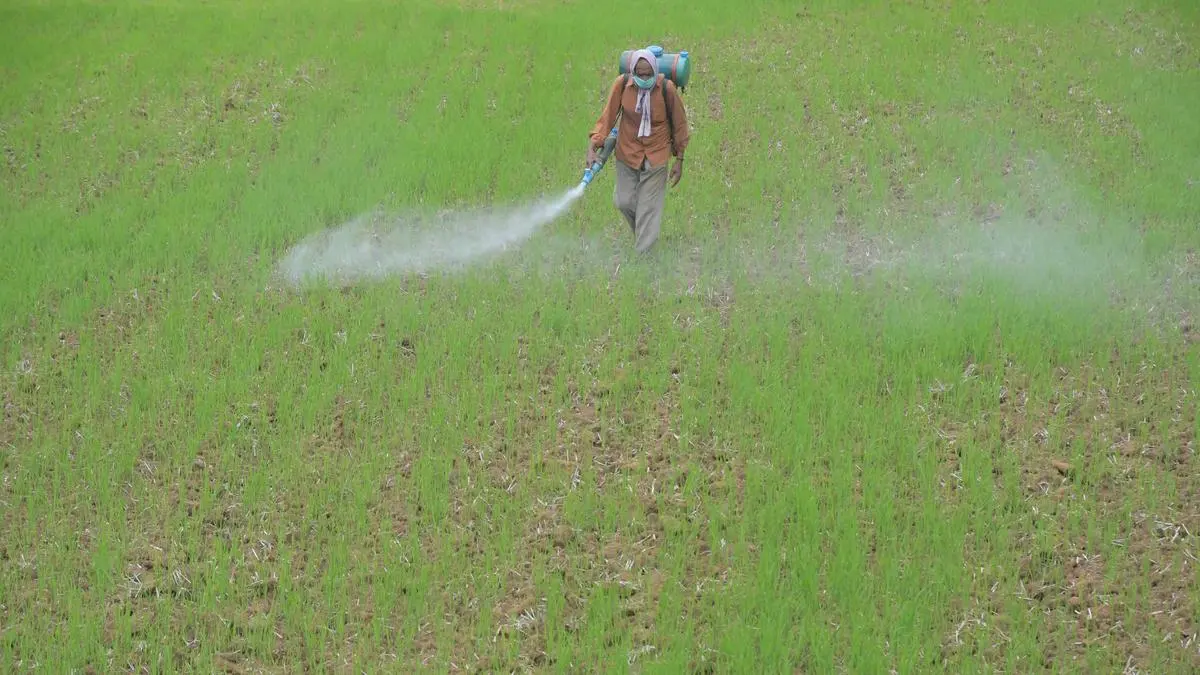
India's Agriculture Ministry has proposed an immediate ban on the manufacture, import, transport, distribution, sale, and use of Carbosulfan, an insecticide used in paddy, cotton and some horticulture crops, BusinessLine reported. The draft Banning of Carbosulfan Order, 2026, issued under the Insecticides Act, 1968, will be finalised after stakeholder feedback, with submissions due by September 19.

What the proposed ban covers

According to BusinessLine, the Agriculture Ministry is acting on the recommendation of the Registration Committee, which suggested complete prohibition of Carbosulfan. The draft order states:

No person shall import, manufacture, sale, transport, distribute and use Carbosulfan from the date of publication of the Order. The Registration Committee shall call back the certificates of registration granted for the Carbosulfan.

The ban would cover all existing uses of Carbosulfan in paddy, cotton and horticulture crops, where it is currently used to manage pests. The final decision will be taken after considering feedback from stakeholders, who have been asked to submit by September 19.

Why the Registration Committee recommended prohibition

The Registration Committee noted that Carbosulfan is an intrinsically highly hazardous carbamate insecticide that is rapidly metabolised to carbofuran, a highly toxic metabolite responsible for severe cholinesterase inhibition and acute systemic toxicity. It also cited significant toxicity of Carbosulfan to birds, pollinators, aquatic organisms and other non-target species, together with international regulatory actions restricting or prohibiting its use in several countries.

The government observed that although atropine and other supportive measures are available for symptomatic management, no specific antidote exists to reverse the toxic effects of Carbosulfan. Continued use is therefore likely to pose significant hazards to public health and the environment.

Compliance deadlines and registration recall

The draft order was published for information of all persons likely to be affected, with notice that it shall be taken into consideration after the expiry of a period of 30 days from the date on which the copies of the Gazette of India containing the Order are made available to the public. Joint Secretary Muktanand Agrawal said in the Order that the Central Government, after duly considering the Registration Committee's report, is satisfied that Carbosulfan use is likely to involve risk to human beings and animals as to render it expedient or necessary to take immediate action.

Market impact: FMC India's Marshal brand and Crystal Crop Protection deal

Currently, FMC India sells the insecticide under its 'Marshal' brand, which contains 25 per cent (Emulsifiable Concentrate) Carbosulfan. According to FMC India, the product is a broad spectrum insecticide that gives effective control over chewing and sucking pests in various crops through its dual contact and stomach poison action on the pests.

The company says Marshal is a trusted brand among farmers for decades, providing broad spectrum control on chewing and sucking pests in cotton, paddy and vegetables. According to FMC India, its different mode of action makes Marshal a good rotational partner in vegetable spray programs and manages issues around pest resistance.

Separately, FMC Corporation in May signed a definitive agreement to sell its India commercial business to Crystal Crop Protection for $252 million. Under the deal, Crystal will acquire FMC India's commercial operations in the crop protection segment, including licences for FMC brands sold in India. Crystal will also receive a preferred supply agreement for certain FMC active ingredients and formulated products, along with preferred access to FMC's pipeline of crop protection products in India.

Key fact Detail
Regulation Banning of Carbosulfan Order, 2026
Governing act Insecticides Act, 1968
Proposed prohibition Import, manufacture, sale, transport, distribution, use
Stakeholder feedback deadline September 19
Notice period 30 days after Gazette publication
Current brand in India Marshal (FMC India), 25% EC Carbosulfan
Related transaction FMC Corp to sell India commercial business to Crystal Crop Protection for $252 million

The proposal signals a tightening of Indian pesticide regulations and will directly affect any entity holding Carbosulfan registrations or distribution rights, as the Registration Committee is set to recall certificates of registration once the order takes effect.


Sources: AGRI_TIO

Keep Reading

Recommended Stories

Centre proposes complete ban on Carbosulfan insecticide over health, environmental risks Regulations & Compliance

Centre proposes complete ban on Carbosulfan insecticide over health, environmental risks

The Union Ministry of Agriculture and Farmers Welfare has proposed a complete ban on the insecticide Carbosulfan, citing its high toxicity and environmental risks. The draft order prohibits import, manufacture, sale, transport, distribution and use, and directs the Registration Committee to recall all certificates of registration.

August 25, 2026
India considers restricting Carbosulfan insecticide use weeks after proposing ban on Paraquat Regulations & Compliance

India considers restricting Carbosulfan insecticide use weeks after proposing ban on Paraquat

The Hindu BusinessLine reported that India is considering placing the insecticide Carbosulfan under restricted use by the end of August 2026, after proposing a blanket ban on Paraquat Dichloride in July. The Agriculture Ministry acted on a CIB&RC recommendation; FMC India's Marshal brand and the FMC-Crystal Crop Protection deal are in focus.

August 9, 2026
India proposes blanket ban on Paraquat herbicide, citing severe toxicity risks Commodities

India proposes blanket ban on Paraquat herbicide, citing severe toxicity risks

The Indian government has issued a draft order proposing a complete ban on the herbicide Paraquat Dichloride, citing severe toxicity to humans and animals. The ban would halt manufacture, import, sale, and distribution, affecting millions of farmers and a domestic market that saw sales of 1.05 lakh tonnes in 2023-24. Stakeholders have 30 days to submit feedback before the ban is finalised.

July 14, 2026
Indian industry seeks legal backing of gene editing in proposed Seed Bill Regulations & Compliance

Indian industry seeks legal backing of gene editing in proposed Seed Bill

The Hindu BusinessLine reported that India may formally adopt gene editing in the proposed Seed Bill to avoid the GM crop experience. The government has finalised the Bill with Parliament approval pending, while ASSOCHAM recommended scaling gene editing and Bharatiya Kisan Sangh objected to the term 'transgenic'.

August 3, 2026