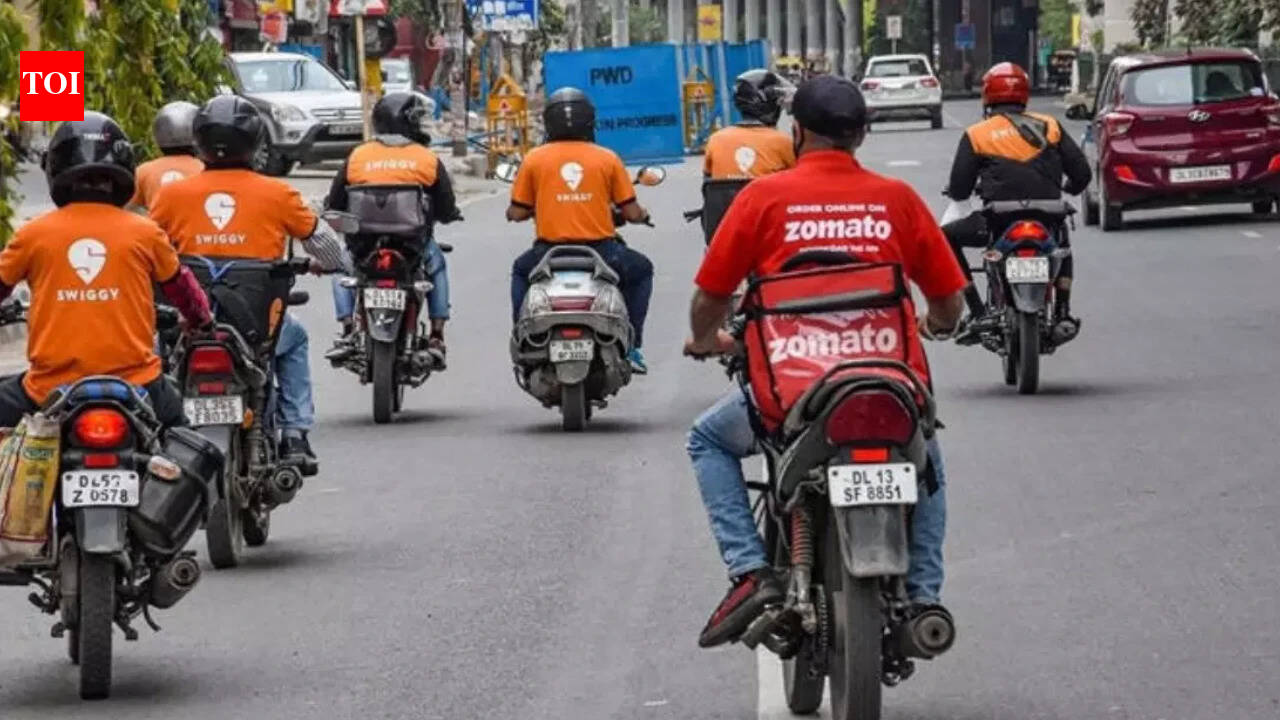
Effective June 21, 2026, the Indian government requires all digital platform aggregators, including Swiggy, Zomato, Uber, Blinkit, Ola, Rapido, and Zepto, to register their gig workers on the eShram portal. This directive is part of the new rules under the Code on Social Security aimed at providing social security benefits to gig workers.
New Registration Requirements
According to the recent government circular, all digital platform aggregators must upload details of their gig workers and complete integration with the eShram portal by the specified deadline. This registration is crucial for the government to design and implement social security schemes, such as health and life insurance and pension plans. The new rules define gig and platform workers as individuals working at least 90 days a year with a single aggregator or 120 days across multiple aggregators.
Scope of Application
The registration requirement applies to all digital platforms operating in India that employ gig workers. These platforms must register all new appointments and exits on a real-time or daily basis on the central government portal. This move is expected to formalize the unorganized nature of gig work and provide workers with a national ID for easy mobility.
Compliance Obligations
- Register all gig workers on the eShram portal by June 21, 2026.
- Integrate platform data with the eShram portal.
- Update new appointments and exits in real-time.
Failure to comply with these requirements will trigger strict penal action under the Social Security Code. The Ministry of Labour and Employment has emphasized the importance of timely adherence to avoid penalties.
Penalties for Non-Compliance
Non-compliance with the registration directive will result in penalties as outlined in the Social Security Code. The government has not specified the exact penalty amounts but has warned of strict actions against non-compliant platforms.
Industry Response
Sheikh Salauddin, co-founder of the Indian Federation of App Based Transport Workers (IFAT), highlighted that the government has repeatedly urged aggregators to share data and onboard workers. He stressed the need for platforms to act responsibly and comply with the law to ensure timely welfare measures for workers.
"Aggregators must act responsibly and comply with the law and should not cause further delays. Workers cannot continue to wait endlessly for their welfare measures," said Salauddin.
The directive is a significant step towards formalizing gig work in India and ensuring that workers receive the benefits they are entitled to under the new social security framework.
Sources: