
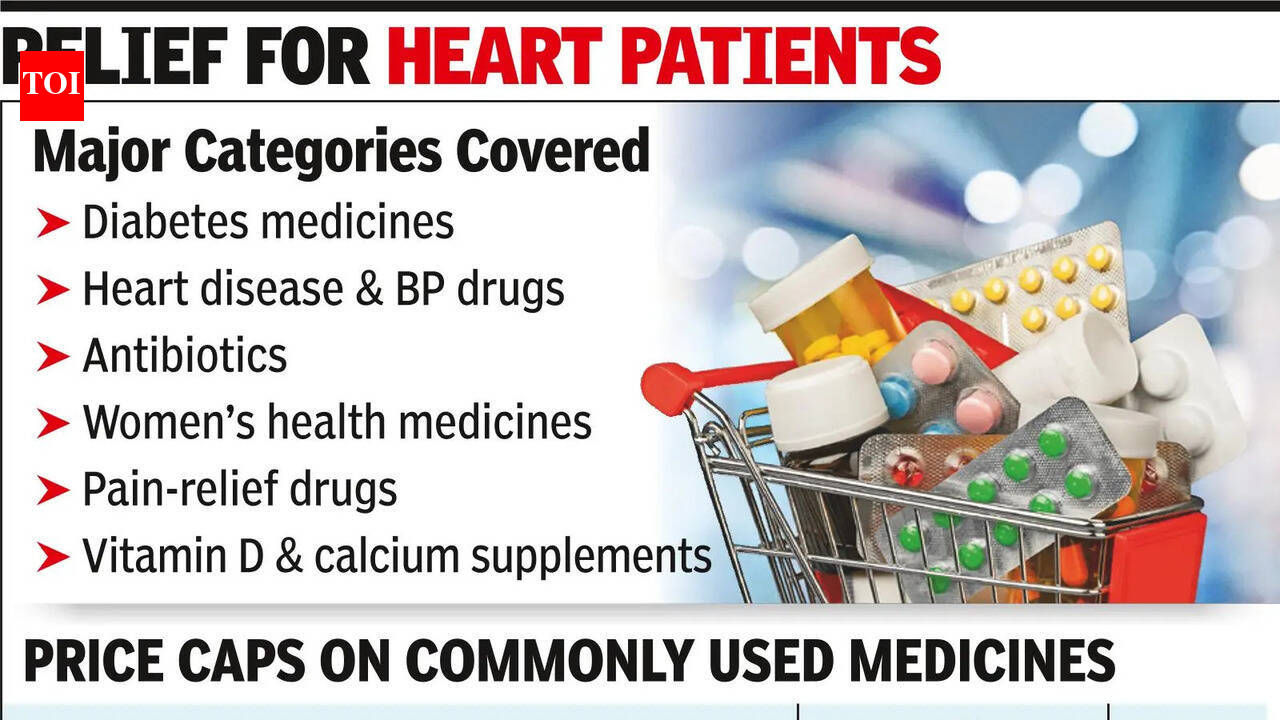
Effective June 1, 2026, the National Pharmaceutical Pricing Authority (NPPA) of India has implemented a price cap on 30 essential medicines, including those used for diabetes, high blood pressure, and other chronic conditions. This regulatory action aims to make critical medications more affordable for millions of patients requiring long-term treatment.
Regulatory Changes
The NPPA's notification, as published in the official gazette, establishes maximum retail prices (MRPs) for a range of drug formulations. These prices are exclusive of Goods and Services Tax (GST) and are binding on manufacturers, who are prohibited from selling the drugs above the notified rates. Key formulations affected include:
- Empagliflozin-sitagliptin-metformin tablets: Rs 14.88 per tablet
- Sitagliptin-glimepiride-metformin tablets: Rs 11.91 per tablet
- Teneligliptin-dapagliflozin tablets: Rs 10.17 per tablet
- Atorvastatin-fenofibrate tablets: Rs 18.46 per tablet
- Tacrolimus capsules: Rs 127 per capsule
Affected Entities
The price cap impacts pharmaceutical manufacturers and distributors in India, particularly those producing or marketing the specified formulations. The list includes drugs for:
- Diabetes: Empagliflozin, sitagliptin, metformin, teneligliptin, dapagliflozin
- Heart disease: Atorvastatin, telmisartan, cilnidipine, metoprolol
- Infections: Antibiotics such as cefpodoxime-clavulanate
- Women's health: Norethisterone acetate tablets
- Vitamins and supplements: Vitamin D3 oral solutions, calcium supplements
Compliance Obligations
Manufacturers must ensure compliance with the new MRPs by:
- Adjusting pricing strategies to align with the NPPA's notification
- Updating packaging and labeling to reflect the capped prices
- Clearing existing stock with old pricing from the supply chain within 60-90 days
Penalties for Non-Compliance
Failure to adhere to the NPPA's pricing regulations can result in significant penalties, including:
- Fines for each violation of the price cap
- Potential suspension of manufacturing licenses
- Legal action under the Drug Price Control Order (DPCO)
Resources and Guidance
Industry stakeholders can refer to the following resources for further guidance:
- NPPA Official Website: For detailed notifications and updates
- All India Organisation of Chemists and Druggists: Industry insights and support
- Health Ministry Publications: For broader healthcare policy context
"Consumers are likely to gain from revised prices in 60-90 days, once existing stocks in the supply chain are cleared and the revised-MRP stock reaches the market," said Rajiv Singhal, General Secretary of the All India Organisation of Chemists and Druggists.
This regulatory development underscores the Indian government's commitment to enhancing healthcare affordability and accessibility, particularly for chronic disease management. Compliance officers and legal teams within pharmaceutical companies must prioritize adherence to these new pricing standards to avoid regulatory repercussions.


