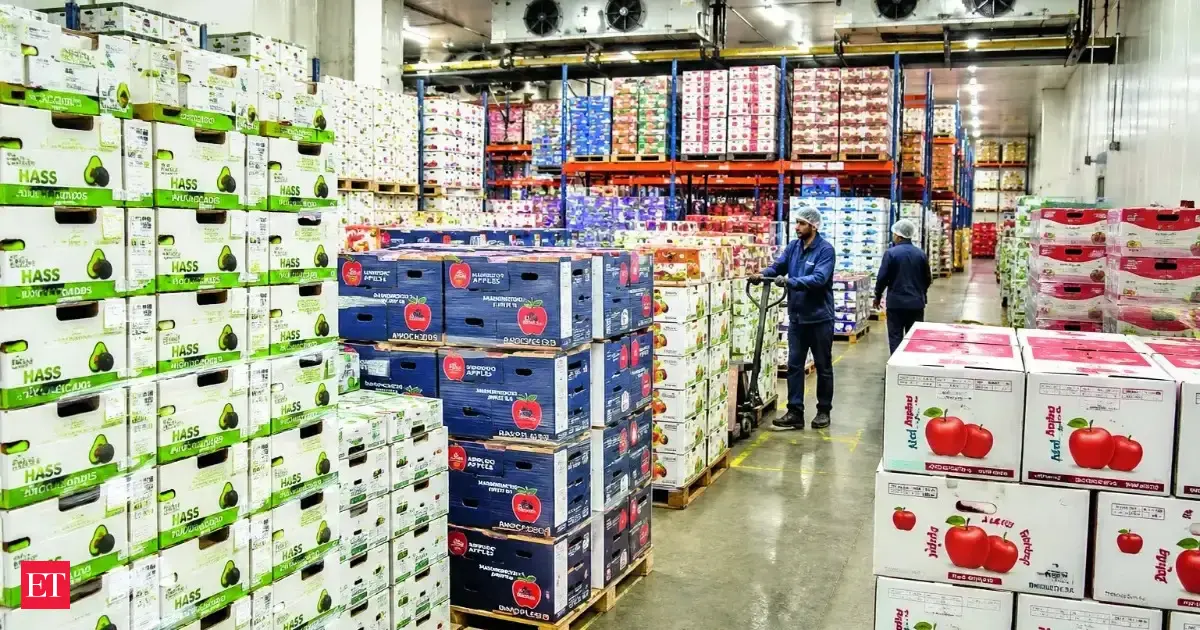
The strategic implications of Gulf cargo diversions to India are profound, particularly for companies dependent on cold storage facilities. This unexpected influx has strained existing infrastructure, leading to potential inventory losses and increased operational costs.
Disruption Overview
In recent months, Indian ports have seen an unexpected surge in cargo originally destined for the Middle East. The closure of the Strait of Hormuz has redirected shipments, including Kenyan avocados, to Indian shores. According to Ajay TG, General Manager at Westfalia Fruit India, this has disrupted the timing and seasonality of cold storage operations.
Quantified Impact
The diversion has led to increased lead times and inventory holding costs. With cold storage facilities operating at full capacity, companies face potential spoilage risks and higher per-unit storage costs.
| Impact Area | Before Diversion | After Diversion |
|---|---|---|
| Lead Time | 2 weeks | 4 weeks |
| Storage Cost/Unit | $0.50 | $0.75 |
| Inventory Risk | Low | High |
Industry Response
Companies are exploring alternative strategies to mitigate these disruptions. Some are considering nearshoring options to reduce dependency on long-haul imports, while others are investing in advanced warehouse management systems (WMS) to optimize existing storage capacity.
"We need to rethink our supply chain strategies to enhance resilience," said Ajay TG, highlighting the need for agility in operations.
Forward Outlook
As the situation evolves, companies should monitor geopolitical developments and assess their supply chain vulnerabilities. Investing in technology and diversifying supplier bases will be crucial in navigating future disruptions.
What This Means for Your Procurement Team
Procurement teams should prioritize supplier diversification and explore local sourcing options to mitigate risks. Implementing AI-driven planning tools can enhance forecasting accuracy and improve response times to supply chain disruptions.