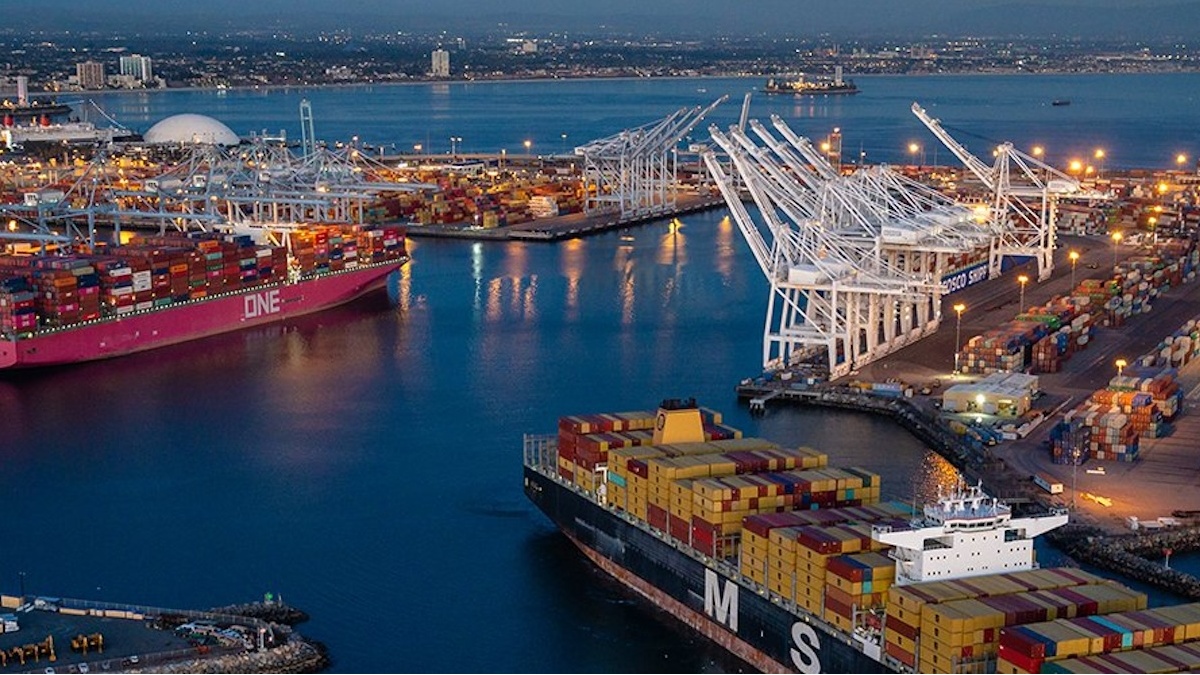
The Port of Long Beach awarded more than $54 million in small business contracts during the past fiscal year, marking the third-highest utilization rate since its Small Business Enterprise Program launched in 2004, according to a port release.
$54.4 million in eligible contracts went to companies classified as "small business enterprises" and "very small business enterprises," representing nearly 45% of port funds spent on eligible contracts. The port's goal for small business participation is 27%, which it says is one of the highest thresholds among California ports and municipal agencies. Actual utilization in fiscal year 2025 reached 44.6%, the third-highest since the program's inception.
Program Details
The port, a department of the City of Long Beach, defines a "very small business enterprise" as one meeting California's microbusiness designation — firms with $5 million or less in annual gross sales averaged over the last three fiscal years, or manufacturers with 25 or fewer employees. These criteria allow a wide range of local service providers and material suppliers to participate in port contracts.
| Fiscal Year | Small Business Utilization | Program Goal |
|---|---|---|
| 2025 | 44.6% | 27% |
| 2004 (program start) | N/A | N/A |
Outreach Efforts
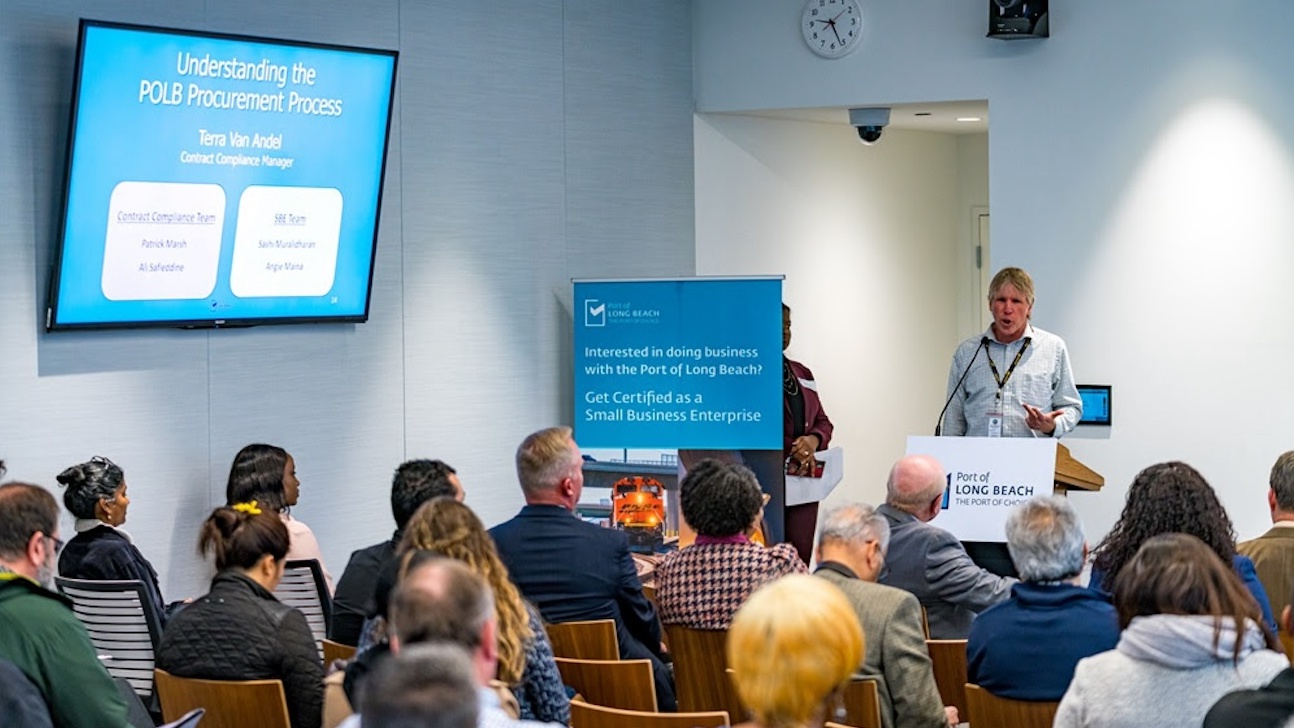
To boost participation, port staff engaged in more than 40 outreach events throughout the year, according to the release. These events are part of an ongoing effort to connect small businesses with port-related contract opportunities, particularly in construction and professional services.
"Our vision to double our cargo to 20 million containers annually by 2050 and build the Port of the Future is going to take a big team," said Port of Long Beach Chief Executive Dr. Noel Hacegaba. "We want to make sure smaller businesses – the backbone of the U.S. economy – are equipped with the knowledge and ability to compete and win port-related construction and professional services contract opportunities."
Implications for Trade and Supply Chain
For international trade executives and freight forwarders, the port's aggressive small business contracting strategy signals a commitment to expanding infrastructure capacity. The port's long-term goal of 20 million containers annually by 2050 (up from roughly 8-9 million today) requires significant investment in construction, maintenance, and services. By leaning on local small enterprises, the port aims to build a resilient supply chain that can support growing import and export volumes.
Customs brokers and logistics executives operating through the Port of Long Beach — a major gateway for trans-Pacific trade — may see more competitive bids on port-related projects and potentially faster turnaround on infrastructure upgrades as local vendors become more deeply integrated into port operations.
The 44.6% utilization rate, while high, is not an outlier; it is the third-best since the program began. This consistency suggests the port has institutionalized small business inclusion, which could serve as a model for other gateways seeking to diversify their contractor base while meeting cargo growth targets.
Sources: