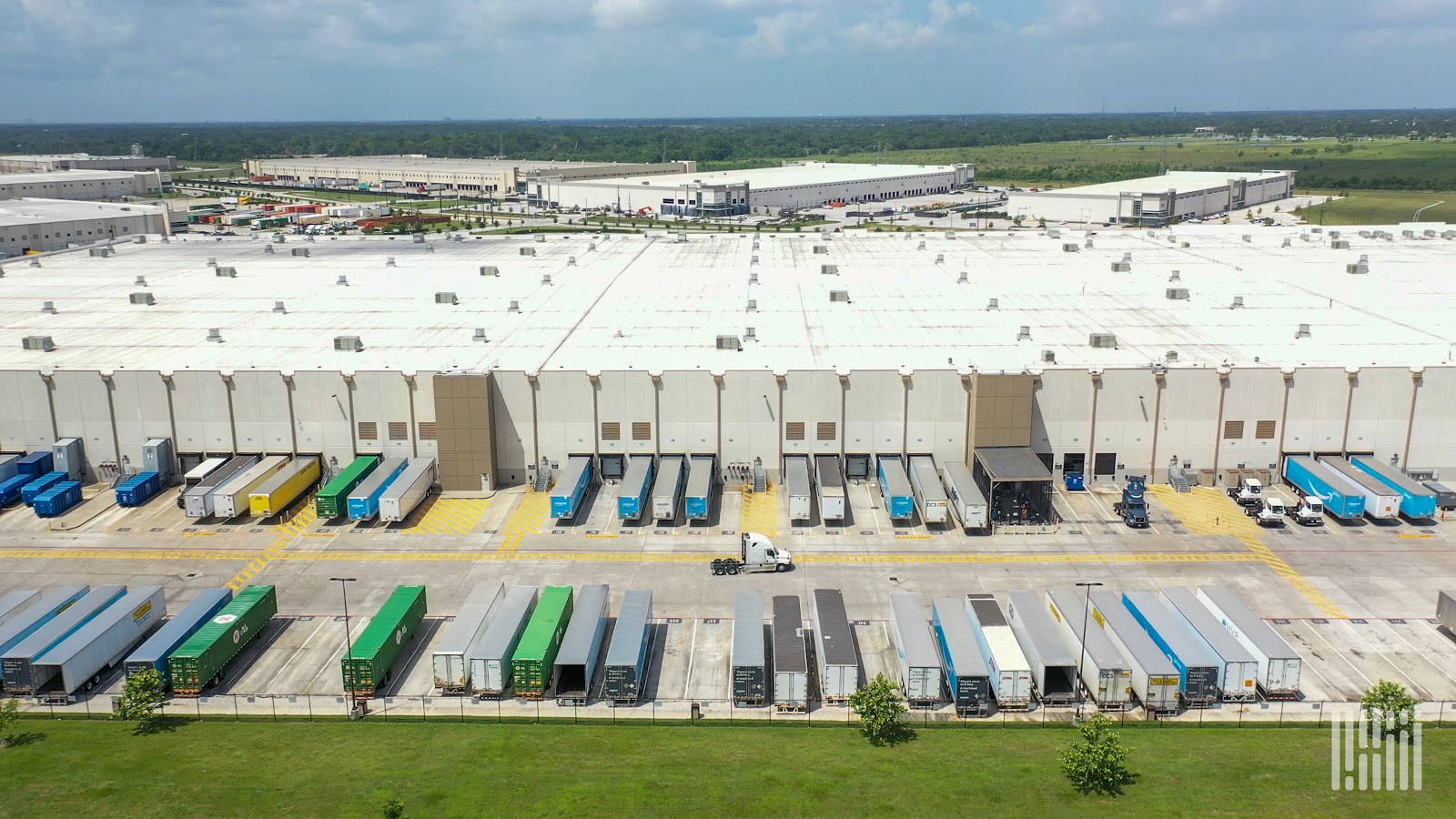
Cargo theft is not just a logistical nuisance; it is a significant threat to the resilience and efficiency of U.S. supply chains. Donna Lemm, Chief Strategy Officer at IMC Logistics, has been at the forefront of addressing this issue, highlighting its broader implications during her testimony before the U.S. Senate Judiciary Committee.
The Scale of the Problem
Cargo theft incidents have escalated, with organized crime syndicates targeting high-value shipments. According to industry reports, the financial impact of cargo theft in the U.S. exceeds $15 billion annually. This not only affects the bottom line of companies but also disrupts supply chain operations, leading to increased lead times and inventory shortages.
Quantifying the Impact
- Lead Time Delays: Stolen shipments can delay delivery schedules by weeks, impacting production timelines.
- Inventory Implications: Companies may need to hold higher safety stock, increasing carrying costs.
- Cost Per Incident: The average cost of a cargo theft incident is estimated at $200,000, including lost goods and recovery efforts.
| Impact Area | Estimated Cost/Delay |
|---|---|
| Lead Time Delays | Up to 2 weeks |
| Inventory Costs | 10-15% increase |
| Cost Per Incident | $200,000 |
Strategic Responses
Industry leaders are adopting several strategies to combat cargo theft:
- Enhanced Security Measures: Implementing GPS tracking and secure facilities.
- Collaboration with Law Enforcement: Working closely with federal and local authorities.
- Technology Adoption: Utilizing AI and IoT for real-time monitoring and predictive analytics.
"Preparation and collaboration are key to mitigating the risks of cargo theft," says Donna Lemm.
Looking Forward
As cargo theft continues to evolve, companies must remain vigilant and proactive. Monitoring emerging trends and investing in technology will be crucial. What this means for your procurement team: Prioritize supplier diversification and invest in advanced security technologies to safeguard your supply chain.
What to Watch
- Legislative Developments: Potential new regulations aimed at curbing cargo theft.
- Technological Innovations: Advances in AI and IoT for supply chain security.
- Industry Collaborations: Partnerships between logistics providers and law enforcement.
By understanding and addressing the risks associated with cargo theft, supply chain leaders can better protect their operations and maintain resilience in an increasingly volatile environment.