AI-powered recruitment tools are screening job applications at scale, and according to BBC News reporting published on 5 August 2026, the technology may be exacting a disproportionate toll on mid-life women re-entering the workforce. The pattern is consistent across industries: highly qualified senior candidates submit hundreds of CVs, receive automated rejections or silence, and conclude that algorithmic filters are encoding age and gender bias.
A 16-month job hunt yields only automated replies
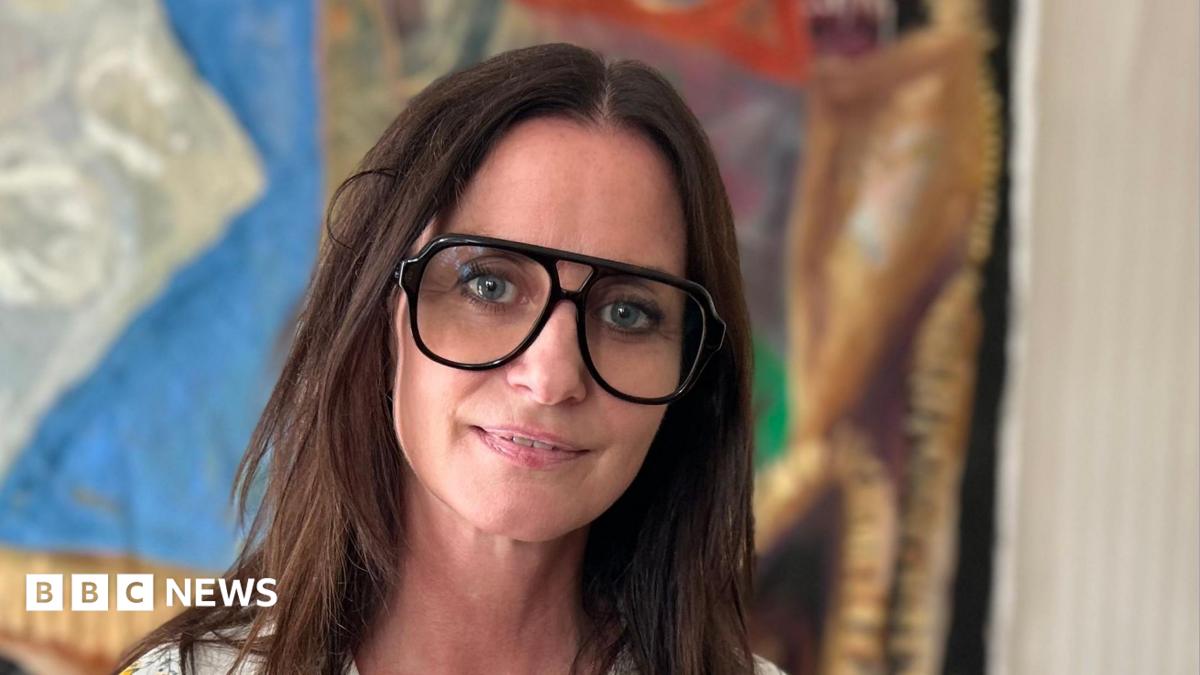
Stacey Duguid, 52, spent decades in senior corporate fashion roles before moving into freelancing, then decided to find “one last job”. According to the BBC, the result was 16 months of sending “gazillions” of CVs with little more than a handful of automated replies — despite never previously struggling to find work. Duguid, who lives in north London, described feeling “lonely and shameful” and wondering whether it was a “me problem”, so she posted on social media asking if other women her age had the same experience; thousands said they did. She believes AI-powered recruitment tools could be contributing and has “Botoxed” her CV by removing references to her age and experience. “AI holds a mirror up to society. It’s a reflection of our bias,” she said. “I’m not saying this is just a women’s issue; I’ve had messages from men too. My point is about gendered ageism.”
BBC interviews 60-plus women aged 40 to 65
The BBC reported it has since spoken to more than 60 women aged 40 to 65 across a range of industries who have been struggling to find work. Most have decades of experience in senior roles and say they have submitted countless CVs, only to receive automated rejections or no response at all. Like Duguid, many believe AI recruitment tools are playing a role.
442 applications, two degrees, only a few replies
Koeyli Jaluka, 49, has held senior roles across manufacturing, corporate and healthcare. Made redundant nine months ago, she has applied for 442 jobs and heard back in only a few cases. “I’ve never been in this position before. For the last 10–12 years I’ve been headhunted. Now I’m hunting for jobs and being relentlessly rejected,” she told the BBC. She has occasionally been told she is “too senior” — which she believes is “code for old”. Despite two decades of experience and two degrees, she says her confidence has “taken a hit”. Jaluka attributes the problem to tighter budgets, AI screening and increasingly narrow hiring criteria. “A lot of us have been told by career coaches to shave off the first 10 years of work on our CVs just to ensure we don’t come across as having worked for too long,” she said.
From advertising to jobseeker’s allowance
Anna Cowie, 52, had a 30-year career in advertising, most recently helping to launch the new Battersea Power Station, but she has been unemployed for almost four years and is now on jobseeker’s allowance. The BBC reported she has lost count of the CVs she has sent, despite never previously being without a job. Cowie has turned to volunteering for community festivals and finds networking with real people a much more promising approach. “You’re seen as a human and not just lines on paper,” she said.
The transparency gap in AI screening
The BBC reported a central evidence problem in assessing these claims: employers rarely disclose details of their recruitment processes. Despite that uncertainty, there are widespread fears that AI recruitment tools are disadvantaging mid-life women. The BBC’s reporting also referenced the City of London’s Women Pivoting to Digital initiative.
It is impossible to know in many cases whether AI tools played a role in a screening or a rejection, because employers rarely disclose details of their recruitment processes.
| Candidate | Age | Background | Volume of applications | Outcome |
|---|---|---|---|---|
| Stacey Duguid | 52 | Senior corporate fashion roles and freelancing | “Gazillions” of CVs over 16 months | A handful of automated replies |
| Koeyli Jaluka | 49 | Senior roles in manufacturing, corporate, healthcare | 442 applications | Heard back in only a few cases; told “too senior” |
| Anna Cowie | 52 | 30-year advertising career; helped launch Battersea Power Station | Lost count of CVs sent | Unemployed almost four years; on jobseeker’s allowance |
Why hiring-system owners should watch this pattern
For CTOs and technology procurement leaders, the measurable facts in the BBC’s reporting argue for scrutiny of AI screening deployments. The input side is already being distorted: career coaches are telling experienced candidates to remove the first 10 years of their work history so they do not appear to have worked for too long, which means the CV data feeding recruitment algorithms no longer reflects actual candidate experience. The output side shows the cost of failure: a 49-year-old with two degrees and two decades of experience applying 442 times and hearing back in only a few cases, and a 52-year-old advertising executive on jobseeker’s allowance. The BBC spoke to more than 60 women who report the same pattern of automated rejection or silence. Whether the cause is AI, increasingly narrow hiring criteria, or tighter budgets — all factors Jaluka cited — the result for employers is senior talent being filtered out of the pipeline.
Sources: