According to BBC News, Sainsbury's has suspended its use of live facial recognition technology at one of its London branches after a customer was wrongly challenged as a shoplifter and asked to leave. The incident at the East Dulwich store has intensified debate over AI surveillance in retail and the business impact of automated errors.
Incident details
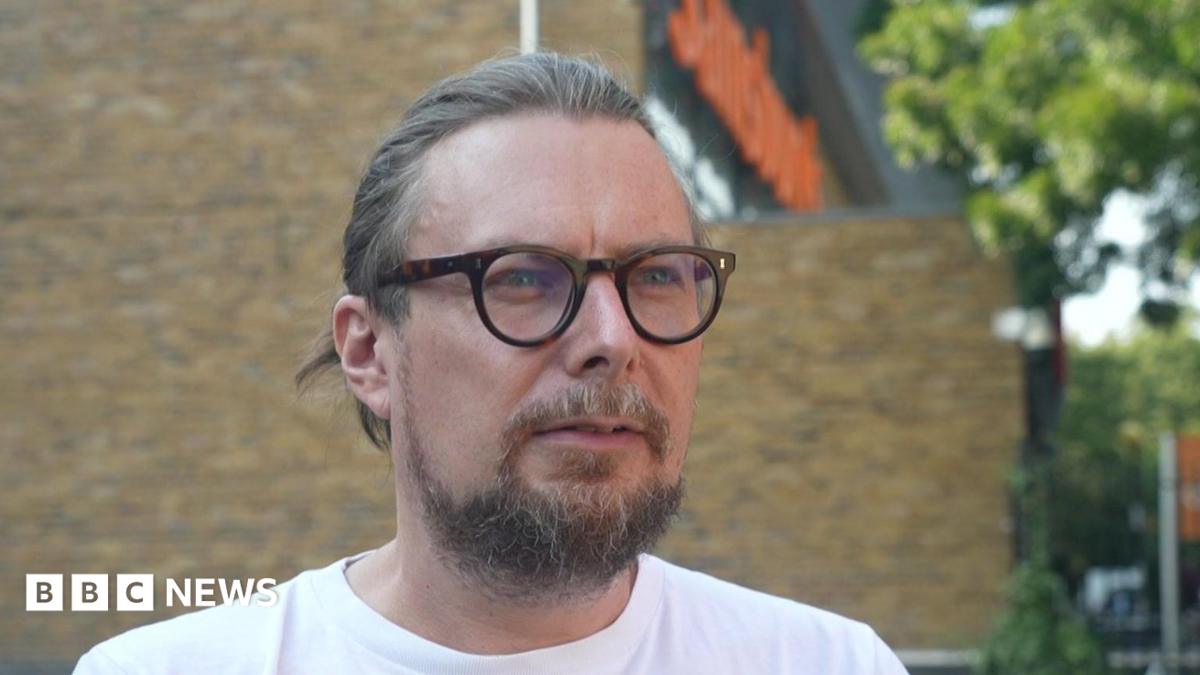
The BBC reported that Matt Arnold, 46, was buying items at the East Dulwich store on 6 August when he was stopped by management at a self-service till. Arnold, a comedy promoter getting supplies for a stand-up event hosted at the adjoining Dulwich Hamlet Football Club, had already scanned his items alongside his Nectar loyalty card and was waiting for a staff member to approve an alcohol purchase.
He said he waved an attendant over, but instead was approached by two members of management and told he could not be served due to an incident "earlier in the week". "The staff member said I'd been identified by the AI, and the cameras had flagged me," he told BBC London.
Arnold described the experience as a "terrifying glimpse of the future", warning that retail surveillance tech risks humiliating customers. "A shoplifter does not walk around with that much shopping, they don't scan it through, they don't put their Nectar card through," he said. He also said he was upset by the thought that "people just listen to what the machine tells them to do without thinking about the consequences."
After being escorted off the premises, Arnold said he looked back from the entrance and saw an overhead CCTV monitor alert with a red circle surrounding his face. Sainsbury's head office contacted him the following day to apologise, maintaining the incident was caused by "human error" rather than software failure.
Facewatch incidents
The technology is supplied by Facewatch, a security firm. According to the BBC, this was not the first time its system has flagged an innocent shopper. In September, Warren Rajah was ordered out of a Sainsbury's branch in Elephant and Castle after being wrongly flagged by the same Facewatch software; the security firm later confirmed Rajah was not even on its system. Both Sainsbury's and Facewatch attributed that incident to human error.
Facewatch has also been involved in similar cases with other retailers it partners with, including a Home Bargains store in 2024 and a B&M store in Cardiff last year, the BBC reported.
| Retailer | Location | Incident period | Outcome |
|---|---|---|---|
| Sainsbury's | East Dulwich, London | 6 August | Customer wrongly challenged; technology paused |
| Sainsbury's | Elephant and Castle, London | September | Customer wrongly flagged; not on Facewatch system |
| Home Bargains | Not specified | 2024 | Similar case, per BBC |
| B&M | Cardiff | Last year | Similar case, per BBC |
Error rate at scale
Arnold argued that even if the technology were as accurate as Sainsbury's claims, its 0.2% error rate would produce "a lot of people when millions go into a Sainsbury's shop each week". He added: "There are more people than me who have been caught out by this."
Arnold said the experience was a terrifying glimpse of the future, adding that staff are not being equipped to implement AI properly in busy store environments.
Staff training and system operation
Arnold said his experience led him to believe staff were struggling to operate the system in a busy store environment. "Even though what happened to me was horrendous, I feel sorry for the staff. Mistakes are going to happen. They're not being equipped to implement the AI properly," he told BBC London.
A Sainsbury's spokesperson has confirmed that the technology has been paused at the Dulwich store in south-east London while an investigation takes place.
Lessons for enterprise AI deployments
For enterprise technology decision-makers, the case highlights the gap between vendor-stated accuracy and real-world operational results. A 0.2% error rate, when applied to millions of weekly customers, still results in a large number of false accusations. The incident also shows the importance of human oversight: staff need training and clear procedures to question automated alerts rather than follow them mechanically.
Critics, according to the BBC, have called for the technology to be scrapped entirely. The Sainsbury's case demonstrates how a single false positive can force a major retailer to suspend a deployed AI system, raising both reputational and financial considerations for any organisation using automated surveillance.
Sources: