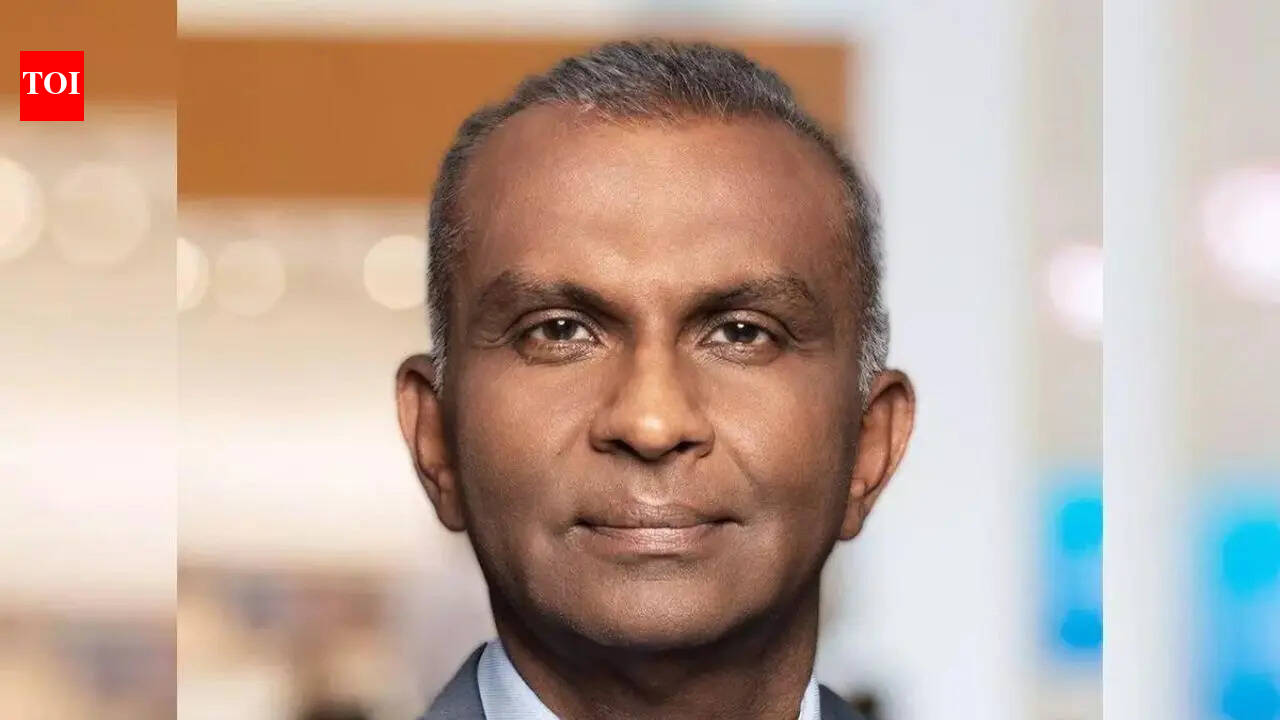
India's potential as a leader in the AI-driven global economy is under scrutiny as Vis Raghavan, head of banking and executive vice chair of Citi, highlights the need for better articulation of its AI strategy. During Citi's annual India conference, Raghavan discussed the challenges and opportunities facing India's investment landscape.
Domestic Strength vs. Foreign Hesitation
India's domestic market shows robust participation from retail and institutional investors. However, foreign direct investment (FDI) remains tepid, primarily due to concerns over energy dependency and India's unclear position in the AI sector. Raghavan notes that while the US market is "risk-on," with significant investments in AI and tech, India needs to present a compelling narrative to attract similar interest.
The AI Investment Landscape
Globally, AI and tech stocks have surged, creating a two-tier market where sectors like semiconductors are major beneficiaries. This trend has redirected capital flows towards countries like Taiwan, impacting FDI in India. Raghavan suggests that India must stabilize its macroeconomic environment and clearly communicate its AI strategy to capitalize on these global trends.
"India must better articulate its position as a major winner in a post-AI world," says Raghavan, emphasizing the need for a strategic narrative.
Strategic Recommendations
- Macro Stabilization: Address energy dependency and oil price volatility to create a stable investment environment.
- AI Positioning: Develop and communicate a clear AI strategy to attract global capital.
- Leverage Domestic Strength: Utilize strong domestic participation as a foundation for attracting foreign investment.
Comparative Market Analysis
| Market | AI Investment Focus | FDI Flow Impact |
|---|---|---|
| United States | High, with tech and AI stocks surging | Positive, "risk-on" sentiment |
| India | Unclear, needs better articulation | Muted, due to energy and AI strategy concerns |
In conclusion, while India's domestic market remains strong, the path to attracting foreign investment lies in stabilizing macroeconomic factors and clearly defining its role in the AI landscape.