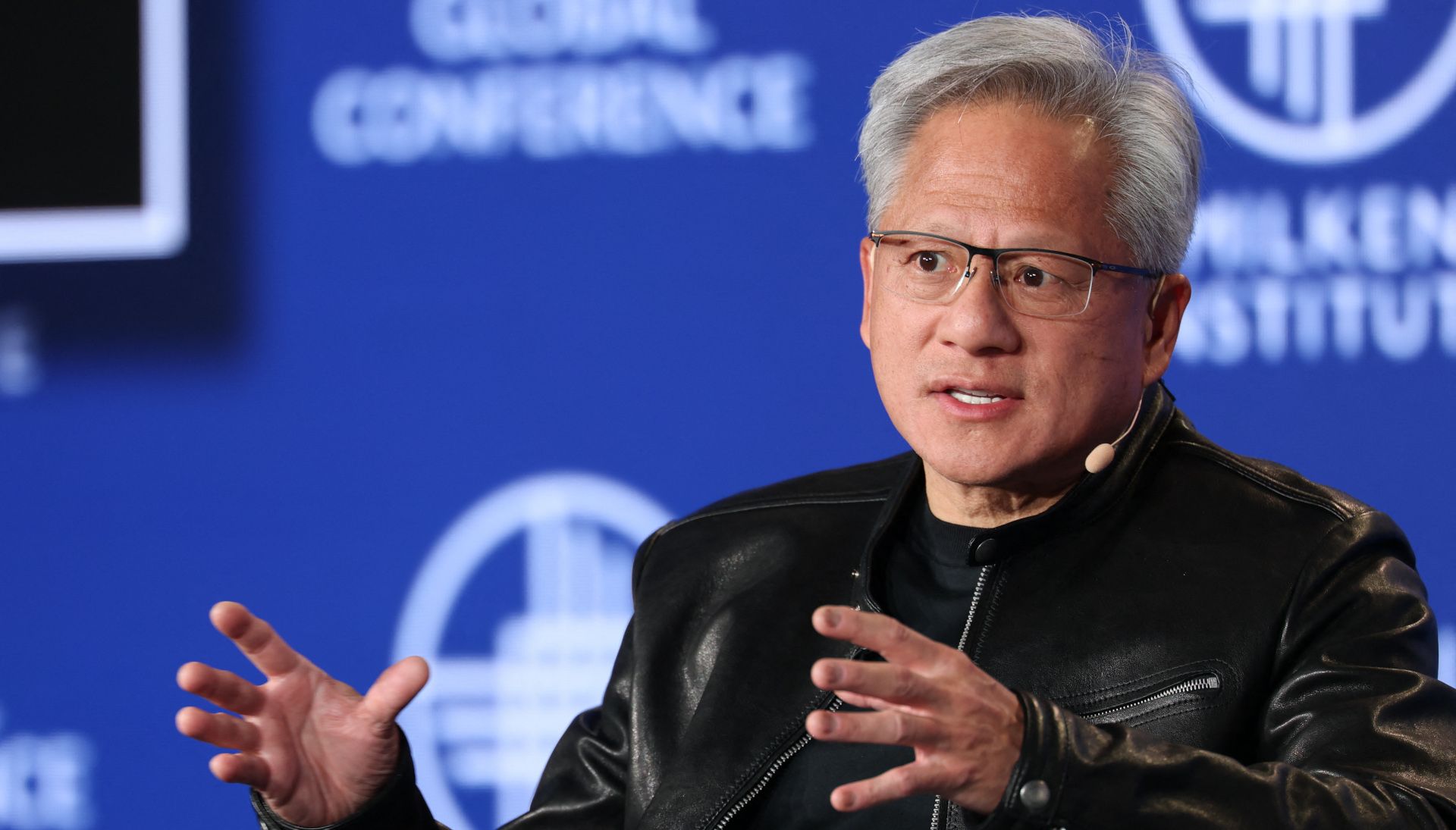
Nvidia CEO Jensen Huang has dismissed the common corporate narrative that artificial intelligence is driving mass layoffs, according to a TechRadar report. Speaking to Singapore broadcaster CNA, Huang stated: 'I think the narrative that connects AI to job loss for many of the CEOs that are doing it, it is just too lazy.' The remark challenges a trend where many companies have cited AI adoption as the reason for workforce reductions, sometimes numbering in the thousands.
AI as a Convenient Excuse
Huang questioned the timing of such explanations. 'How is it possible that AI became productive and useful only six months ago, and they were somehow laying people off two years ago because of AI?' he said. The comment points to a disconnect between the rapid embrace of AI as a scapegoat and the actual rollout of the technology. According to TechRadar, the pandemic hiring boom gave way to 'seemingly endless waves of layoffs as demand slackened.' The source adds that 'telling investors and employees that management misjudged the future makes it hard to justify the C-suite bonuses' whereas 'saying that AI is changing everything sounds considerably more impressive.'
A Reddit user quoted in the report echoed Huang's sentiment: 'I think the realization that these things are not good enough to be replacing [people] en masse has started trickling down to the average informed consumer. This makes those press releases on layoffs being due to AI displacement age like milk: the stated reason of AI displacement is hardly true, so it becomes up to the market to interpret the actual reason for the cutbacks.' The user suggested that the market's interpretation could be harsher than a more honest 'strategic restructuring' narrative.
Divergent Views on AI's Impact
The AI industry itself is divided on what lies ahead. Huang paints a picture of 'people working alongside AI systems rather than being replaced by them,' focusing on productivity gains and new opportunities. In contrast, Anthropic CEO Dario Amodei has warned that 'advanced AI could eventually take over most white-collar roles,' according to TechRadar. Researchers have produced 'predictions ranging from mild disruption to significant labor market upheaval,' the report notes. 'Everyone agrees that AI is important, but nobody can agree on how important it is, in what way, or what to do about it.'
| Person | Organization | View on AI and Jobs |
|---|---|---|
| Jensen Huang | Nvidia | AI increases productivity and creates opportunities; works alongside humans |
| Dario Amodei | Anthropic | Advanced AI could take over most white-collar roles |
Implications for Business Leaders
For international trade executives and logistics professionals, Huang's comments reinforce a need for transparent communication around workforce changes. The report notes that 'slowing growth, overestimated personnel needs, and shifting priorities can all account for layoffs' and that 'AI simplifies a complicated set of business decisions into a story that leaves them blameless for downsizing.' As companies continue deploying AI tools in customer service, marketing, and software development, the debate over AI's true impact on employment remains unresolved. Huang acknowledged the irony that Nvidia has benefitted from AI 'more than almost any company on Earth,' yet he is effectively arguing that 'executives should own their decisions.' The takeaway for trade professionals is a caution against attributing structural changes solely to AI without considering broader economic factors. The narrative that AI is an unstoppable force reshaping every sector may be convenient, but as Huang suggests, reality is 'usually messier than that.'
Sources: