iGEN
Visit IGEN World Explore IGEN Expo
EXPLORE UPGRADE PLANS
BREAKING
Vafias-backed Stealth Maritime Orders Two More MR Tankers from HD Hyundai, Extending $1.3bn South Korea Newbuilding Drive Seattle's Viral Raccoon Jimothy Raises Concerns Over Urban Wildlife and Internet Fame Goldman Sachs Report: Which Jobs Face the Biggest AI Automation Risk Global Gold Demand Flat at 1,269 Tonnes in April-June Quarter: WGC Report Blystad's Songa Box Orders Up to Six Feeders at Chinese Newcomer Shipyard OpenAI's Breach Exposes Critical Security Gaps in AI Models — Lessons for Enterprise Supply Chains LinkedIn Keeps Compute Capacity Flat for Next Year, Avoiding AI Data Center Expansion Bombay HC Grants SEBI Time for Affidavits in Embassy REIT Petitions; Regulator Signals Likely Stance TCL’s Tab A1 Plus: Budget Tablet with Premium Display and Smart Compromises India-EU FTA Includes Dedicated CBAM Annexure Framework, Says Commerce Official Darpan Jain Vafias-backed Stealth Maritime Orders Two More MR Tankers from HD Hyundai, Extending $1.3bn South Korea Newbuilding Drive Seattle's Viral Raccoon Jimothy Raises Concerns Over Urban Wildlife and Internet Fame Goldman Sachs Report: Which Jobs Face the Biggest AI Automation Risk Global Gold Demand Flat at 1,269 Tonnes in April-June Quarter: WGC Report Blystad's Songa Box Orders Up to Six Feeders at Chinese Newcomer Shipyard OpenAI's Breach Exposes Critical Security Gaps in AI Models — Lessons for Enterprise Supply Chains LinkedIn Keeps Compute Capacity Flat for Next Year, Avoiding AI Data Center Expansion Bombay HC Grants SEBI Time for Affidavits in Embassy REIT Petitions; Regulator Signals Likely Stance TCL’s Tab A1 Plus: Budget Tablet with Premium Display and Smart Compromises India-EU FTA Includes Dedicated CBAM Annexure Framework, Says Commerce Official Darpan Jain
Home ›› Technology ›› Ai ›› Llms ›› LinkedIn Keeps Compute Capacity Flat for Next Year, Avoiding AI Data Center Expansion

LinkedIn Keeps Compute Capacity Flat for Next Year, Avoiding AI Data Center Expansion

LinkedIn has decided not to expand its data centers in the coming fiscal year, instead keeping compute and storage flat. The company achieved this by doubling the efficiency of its existing GPUs over the past six months, according to CTOs Erran Berger and Raghu Hiremagalur. This move contrasts with the heavy AI infrastructure spending by peers like OpenAI, Meta, and Google.

iG
iGEN Editorial
July 30, 2026
LinkedIn Keeps Compute Capacity Flat for Next Year, Avoiding AI Data Center Expansion

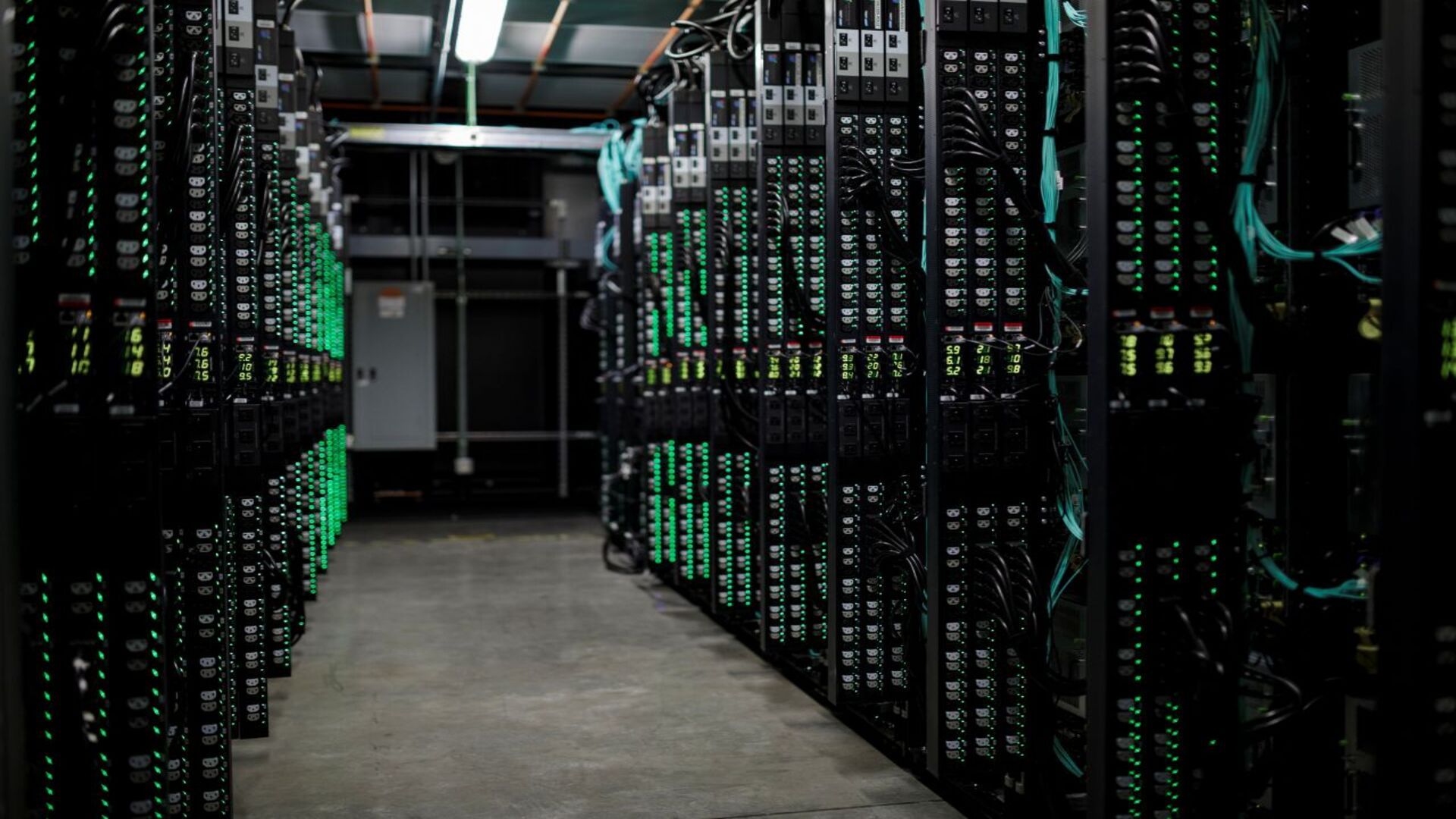
LinkedIn, the professional social network with more than 1.3 billion users, has decided not to expand its data centers for the next fiscal year, according to a report by WIRED. The company plans to keep its investment in GPUs steady and its compute and storage footprint flat through fiscal year ending next June. This stands in sharp contrast to the aggressive data center buildouts by OpenAI, Meta, and Google.

A Prudent Approach to AI Infrastructure

Executives at LinkedIn say the decision to hold the line on infrastructure spending is driven by efficiency gains. Erran Berger, chief technology officer for engineering, stated, “One of the goals we've set is to try to basically keep our compute footprint flat or as close to flat as possible while shipping more compute-hungry things to production.” Raghu Hiremagalur, chief technology officer for infrastructure, emphasized the scale of the achievement: “I really want to double underscore that for a company of our scale, to say a full year we're going to do this with no incremental storage and compute is no small feat, but it's taken a ton of work to get there.”

The company was able to avoid big AI hardware spending because it found ways to use its existing GPUs twice as efficiently over the past six months. Berger noted that the efficiency gains could compound over time, enabling LinkedIn to get more out of future data center expansions when budgets eventually increase.

Optimizing the AI Pipeline

LinkedIn’s cost discipline comes after an earlier attempt to migrate to Microsoft Azure after Microsoft acquired the company in 2016. That move “didn’t make economic sense,” according to Hiremagalur, because Azure was growing rapidly and LinkedIn’s own demands were skyrocketing. In 2022, LinkedIn went all-in on its own data centers in Oregon, Texas, and Virginia. This ownership gave the company control over every detail of its technology, setting the stage for the current optimization push.

To keep compute flat, LinkedIn optimized every stage of the AI pipeline — from training models to serving user queries. Hiremagalur’s team developed measurement tools to track compute and storage usage by individual teams, then set up systems to enforce efficiency. The effort was driven by unsustainable cost trends: “Every query that's coming to our site has increased in cost over time,” Hiremagalur said, adding that data storage was doubling annually. “That is not a sustainable place to be.”

Metric Past Trend Current Target
GPU efficiency Baseline 2x improvement in 6 months
Compute footprint Growing Flat for fiscal year
Data storage Doubling annually No incremental storage

Implications for Enterprise IT

LinkedIn’s strategy is noteworthy for enterprise technology leaders facing pressure to invest in AI. Songyee Yoon, managing partner of Principal Venture Partners and a board member at server maker HP, commented, “It is encouraging for the industry. It suggests AI is beginning to move from experimentation into production discipline. The companies that win will not simply be the ones that spend the most on infrastructure.”

Berger and Hiremagalur believe that the new constraints will motivate engineering teams to get more creative when developing generative AI features. LinkedIn has already begun rolling out AI-based assistants that help users write messages, find jobs, and recruit candidates. By keeping infrastructure spending flat, LinkedIn is proving that significant AI capabilities can be delivered without a proportional increase in hardware — a lesson that could resonate across industries, including supply chain and logistics technology, where cost-efficient AI deployment is critical.


Sources: WIRED – AI
Keep Reading

Recommended Stories

Seattle Nears Approval of Data Center Moratorium Technology

Seattle Nears Approval of Data Center Moratorium

Seattle's City Council has approved a year-long moratorium on new large data centers, pending the mayor's signature. This decision aims to address concerns over electricity, water usage, and noise pollution. The ban primarily affects developers, as major tech companies do not operate data centers within the city.

June 10, 2026
Meta's $115M Initiative to Train Data Center Builders Technology

Meta's $115M Initiative to Train Data Center Builders

Meta has launched America's Workforce Academy, a $115 million initiative to train Americans for data center construction roles. The program offers free five-week courses with employment opportunities and industry-recognized certifications.

June 9, 2026
AirTrunk's $30bn India Data Centre Investment Boosts AI Growth Technology

AirTrunk's $30bn India Data Centre Investment Boosts AI Growth

AirTrunk has announced a $30 billion investment to develop 5GW of data centre capacity in India by 2030. This move positions India as a key player in global AI and cloud infrastructure, supported by government initiatives and a skilled workforce.

June 6, 2026
New York Governor Signs First Statewide Data Center Moratorium, Halting Hyperscale Development for One Year Technology

New York Governor Signs First Statewide Data Center Moratorium, Halting Hyperscale Development for One Year

New York Governor Kathy Hochul signed an executive order enacting a one-year moratorium on hyperscale data centers over 50 megawatts, the first statewide pause in the US. The order directs the Department of Public Service to evaluate environmental and energy impacts and proposes ending tax incentives. The move follows growing opposition and a legislative bill with stricter limits.

July 14, 2026