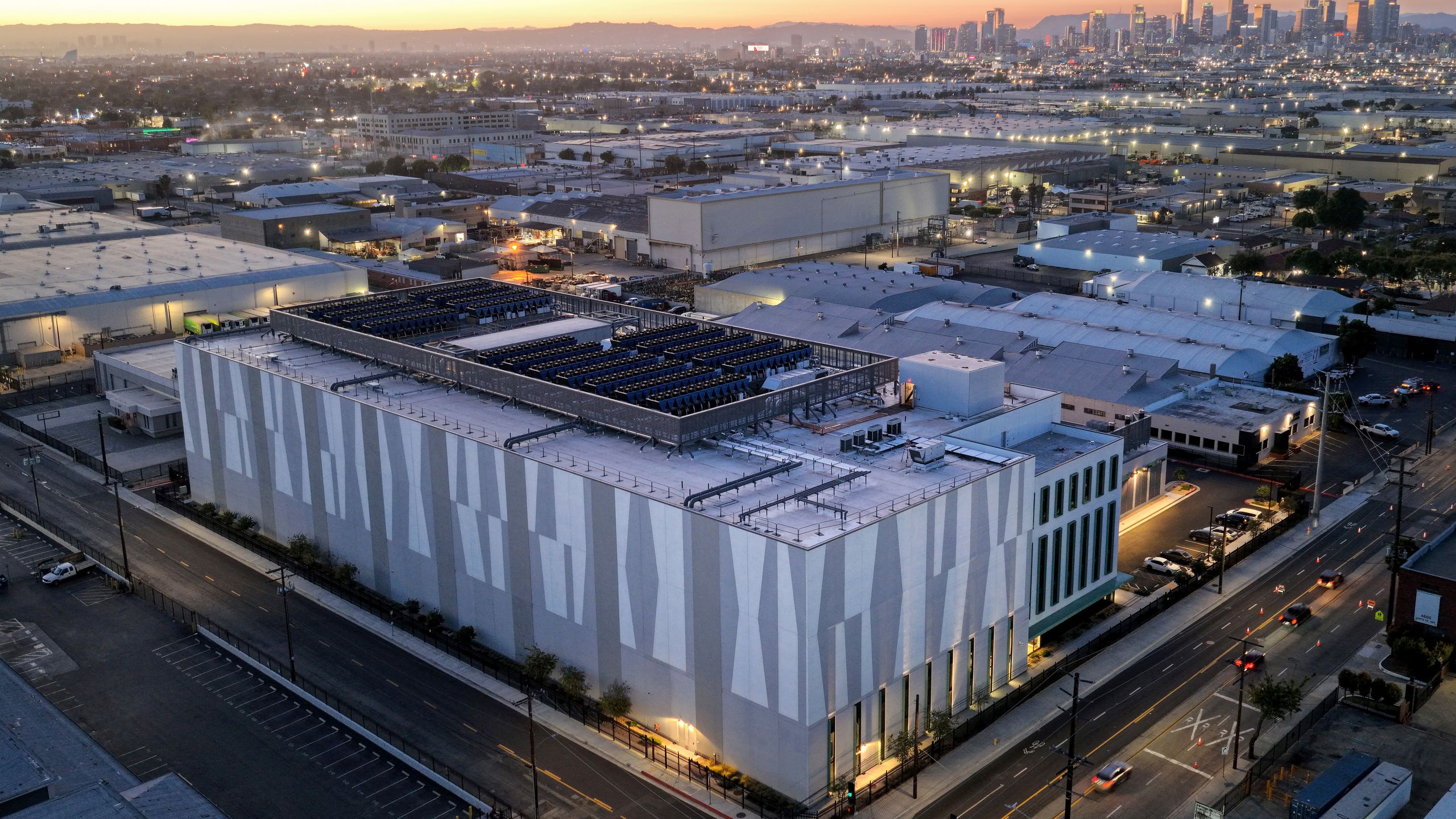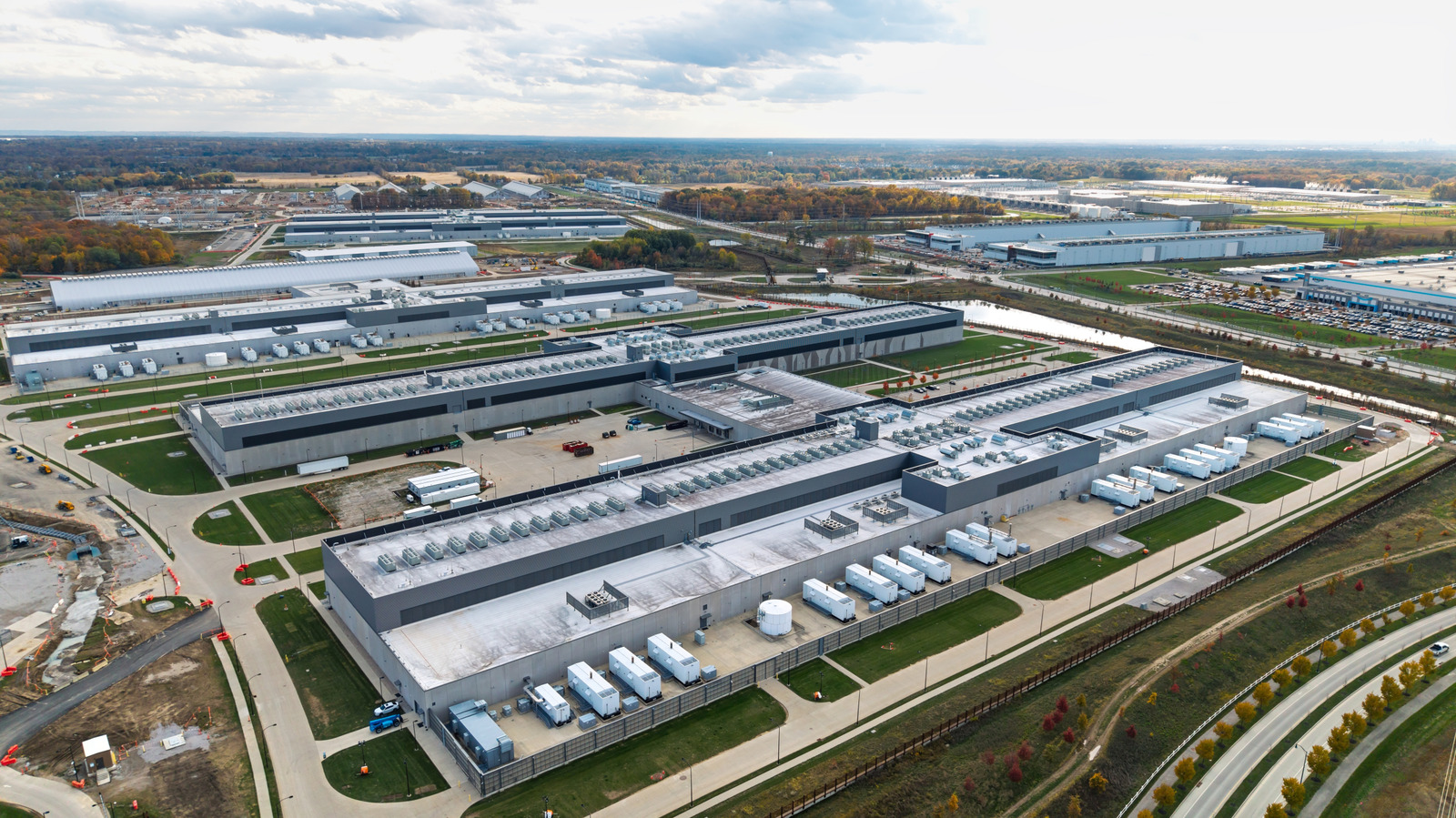
Seattle is on the brink of implementing a significant regulatory measure that could reshape its technological landscape. The Seattle City Council has unanimously approved a one-year moratorium on the construction of new large AI data centers, a move that awaits the signature of Mayor Katie Wilson. This decision comes in response to concerns about the substantial electricity consumption these centers would entail, potentially using up to a third of Seattle's current demand, as reported by the Seattle Times.
Impact on Local Infrastructure
The moratorium targets data centers that consume more than 20 megavolt-amperes of energy, enough to power thousands of homes. This temporary ban, which could be extended for an additional six months, aims to provide the city with time to study the impacts of AI data centers on various aspects such as electricity and water usage, utility rates, land use, local jobs, and public health.
Differentiating Data Centers
An amendment to the bill distinguishes between "traditional data centers" and AI "hyperscale" facilities. This differentiation is crucial as it allows for more tailored regulations that address the specific challenges posed by different types of data centers.
Broader Context and Reactions
Seattle is not alone in this regulatory approach. Cities like Denver, New Orleans, and Minneapolis have also enacted similar bans. During a recent council meeting, over 50 people, including members of the Amazon Employees for Climate Justice, testified. They advocated for renewable energy requirements and labor protections, emphasizing the need for regulations to keep pace with the rapid expansion of compute capacity.
Implications for Tech Giants
While Microsoft, Amazon, Google, and Meta have significant presences in Seattle, they do not operate data centers within the city limits. Thus, the moratorium will primarily impact developers and providers rather than these tech giants directly. However, the decision reflects a growing trend of cities taking a more active role in managing the environmental and infrastructural impacts of large-scale data operations.
This moratorium represents a critical juncture for Seattle's urban planning and environmental policy, potentially setting a precedent for other cities grappling with similar challenges.
Sources: