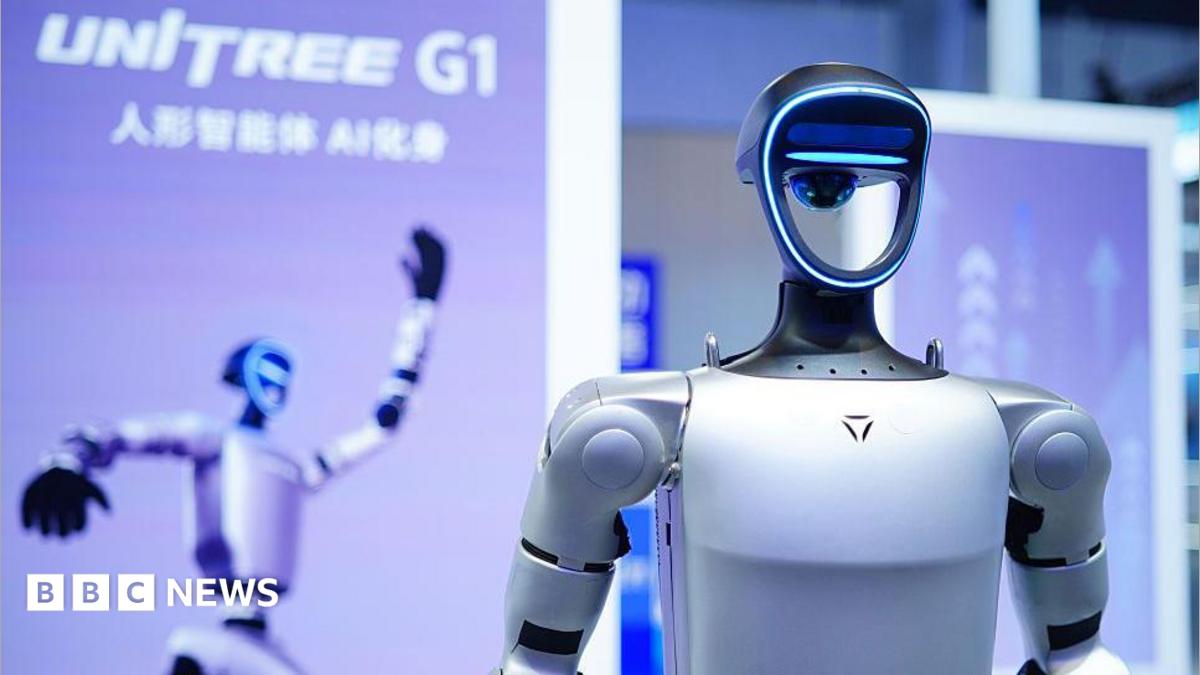
Enterprises looking to deploy robots face two major hurdles: high upfront purchase costs and rapid technological obsolescence. A growing number of robotics companies are addressing this by offering their machines on a rental or subscription basis, a model known as robotics-as-a-service.
Hospital logistics with Moxi
In hospitals across the US, a one-armed, four-foot high white robot named Moxi has become a familiar sight. Made by Texas-based Diligent Robotics, Moxi shuttles medical supplies through corridors. The company has around 100 of these wheeled robots in operation, according to chief operating officer Todd Brugger. Nurses often greet Moxi with a "good morning", a high five, or even a hug; the robot responds with heart-shaped LED eyes and a beep beep.
Rather than selling the robots outright, Diligent offers them on a rental or subscription basis. "It lowers the expense and the outlay for the hospital because you're not paying for the full purchase up front," Brugger told the BBC. "Secondly, and I think more importantly, this tech is evolving very quickly… we're routinely evolving the software and capabilities of the robot."
The robotics-as-a-service bundle includes not just the hardware but also service, maintenance, and software upgrades. If the robot encounters a situation it cannot handle, a human engineer sitting in a remote control room can take control. This removes the need for customers to have deep technical expertise, as they can rely on the manufacturer or rental platform for support.
From farm weeds to wedding dances
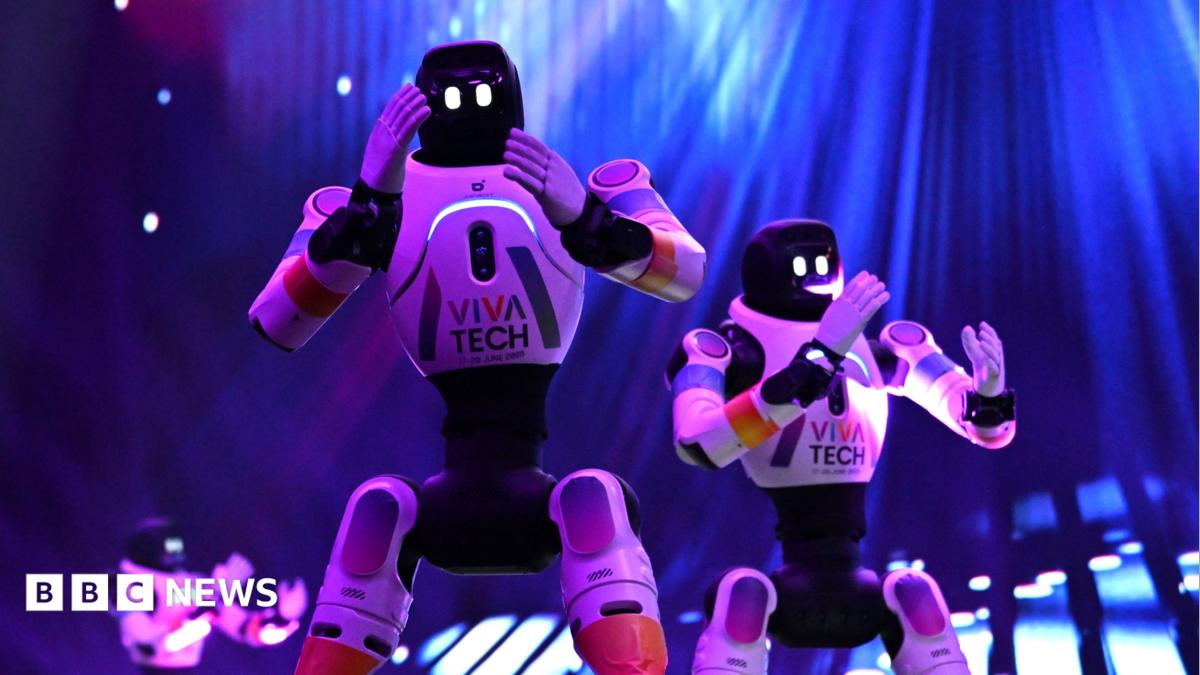
Robot rentals are now available for periods ranging from a single day to multiple years, covering a wide variety of applications. Besides hospital deliveries, robots can be rented as bartenders, autonomous weeders for farms, or humanoid entertainers. Humanoid robots, designed to behave and look like humans, are still a work-in-progress and are typically rented for clearly defined tasks such as dancing, singing, or serving guests at weddings and corporate events.
Ethan Qi, a Beijing-based associate director at Counterpoint Research, explained that a humanoid dance routine is relatively simple to achieve. "You hire a real dancer to perform and video it. The video is then used to train the robot. Then the robot will know how to dance. But the engineer will still often go with the robot in case the environment or the platform isn't simple," he said.
Qi noted that renting avoids the problem of rapid hardware obsolescence: "Every year the robotics companies release a new model, a new iteration of the hardware. If you own a robot, you can't trade it for a new one, but if you rent a robot, you can always rent the newest."
Home helper on subscription
California-based 1X plans to start shipping its home helper robot NEO later this year. Early access customers in the US can choose between an outright purchase price of $20,000 (£15,000) or a subscription of $499 (£378) per month.
Dar Sleeper, vice president of product and design at 1X, said: "While many customers will buy a NEO outright, a subscription significantly lowers the upfront cost, making it affordable for far more people." The rental model also ensures that subscribers can keep pace with improvements in robotics technology, which is evolving rapidly.
| Option | Price | Typical Use Case |
|---|---|---|
| Buy 1X NEO outright | $20,000 | Enterprise with long-term need |
| Subscribe to 1X NEO | $499/month | Home or small business, flexibility |
For enterprise technology leaders, robotics-as-a-service offers a path to automation without large capital expenditures. The model includes maintenance and upgrades, reducing the burden on internal technical teams. As the source article notes, "a rental also removes the need for deep technical expertise – you can simply take your problems to the manufacturer or rental platform." As humanoid and service robots become more capable, rental models will likely make them accessible to a broader range of organisations.
Sources: