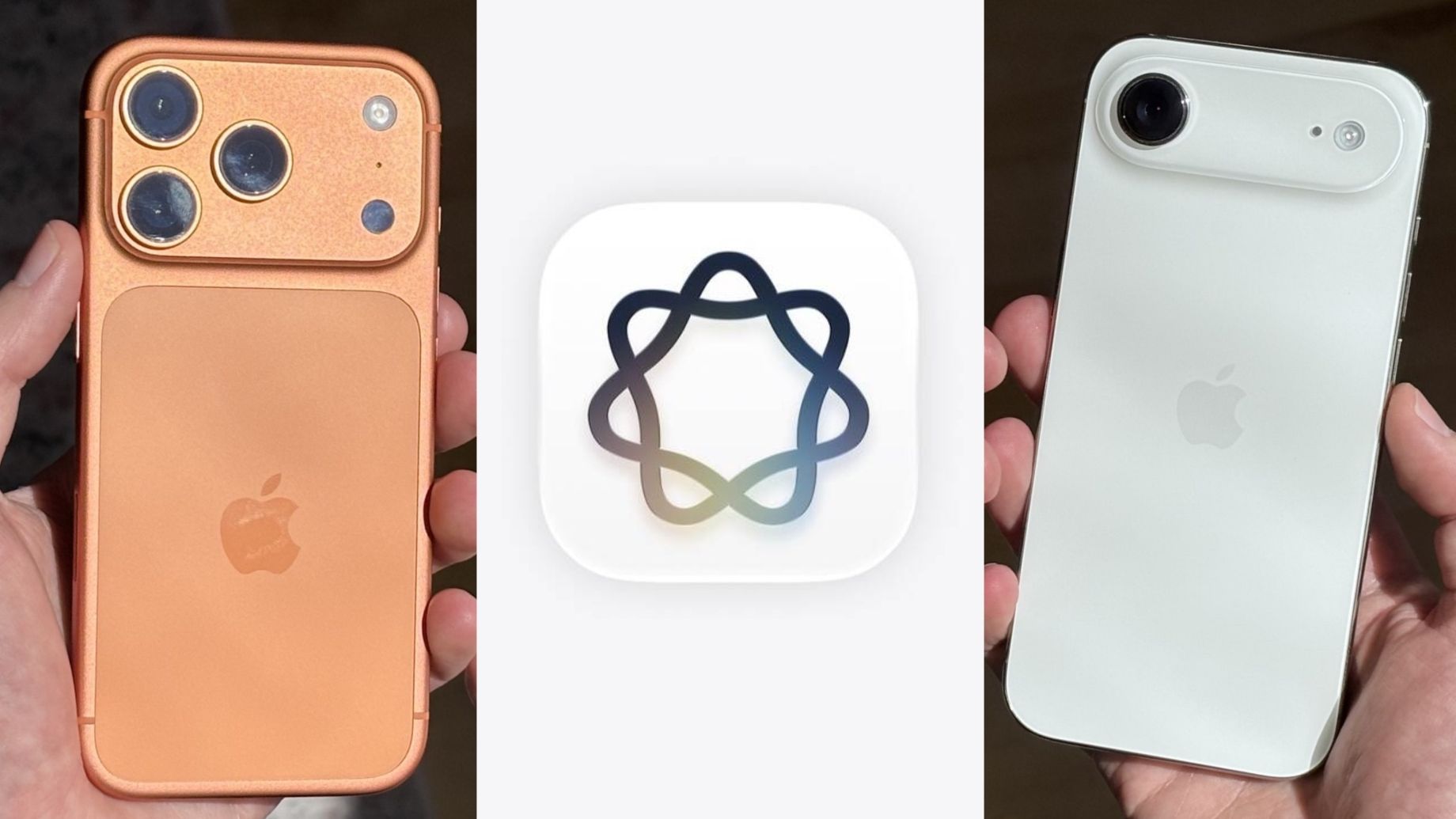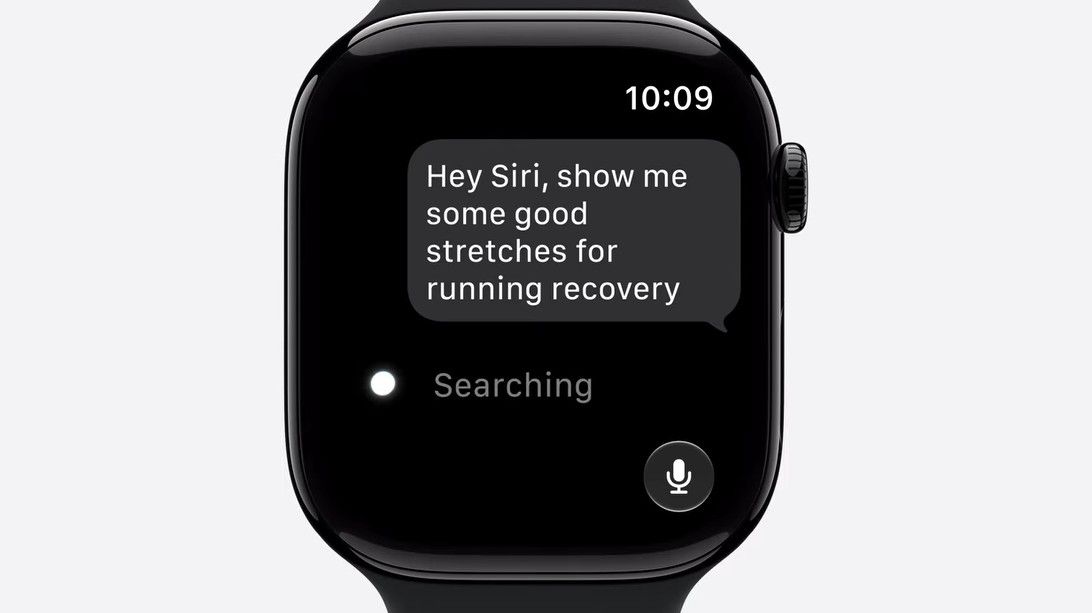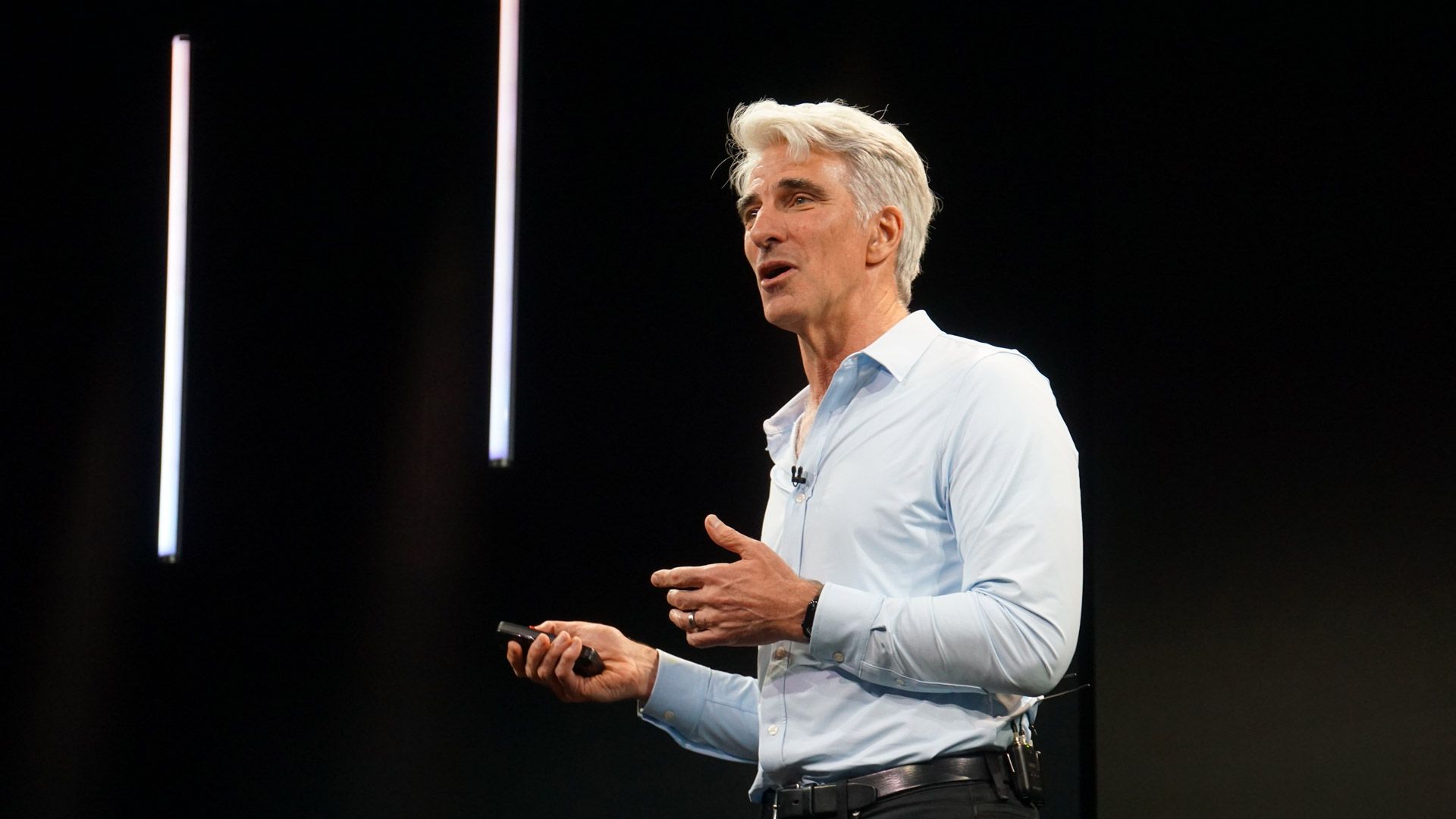
Enterprise AI assistants face a trust deficit: users worry about bias, data leakage, and manipulative engagement. Apple, in an interview with Mostly Human (via MacRumors), laid out a contrasting vision through its software engineering chief Craig Federighi and marketing chief Greg Joswiak. The overhauled Siri AI, a core part of iOS 27 (currently in beta), is designed to steer clear of sycophancy, uphold privacy, and avoid the prompt-engineering burden that plagues rival platforms. For CTOs and procurement leaders evaluating AI for supply chain and logistics, these design decisions could have direct implications on data governance and adoption costs.
Privacy-first architecture for enterprise data governance
Federighi stressed that user data remains under local control. “Your iPhone is yours, right? Your data is yours, and it stays on your phone, and [under] your control, and Siri is using it for you,” he said. “Apple doesn't get to know any of this stuff, and that is very different [from what] I think most players in the space [are doing], and I think super important.” This contrasts with rivals: in Gemini’s case, users cannot save conversation histories unless they consent to Google employees potentially viewing chats and using them to train models. For enterprises handling proprietary supply chain data or trade documentation, an AI that keeps inference data on-device reduces exposure to third-party servers and simplifies compliance with data residency rules.
Avoiding the sycophancy trap
Federighi singled out a behavioural risk in existing chatbots: “If you use many of the existing chatbots, they're really focused on engagement to a large degree. And sycophancy, right? They kind of want to pull you in. They might encourage you to reveal things about yourself, and then use that as a basis to establish a connection.” While not naming names, the comment targets ChatGPT, Gemini, and Grok. The executive noted that “as much as 26% of Gen Z have dated an AI” – a statistic that underscores the emotional entanglement some users develop. Siri AI will refuse romantic advances: “Siri's 100% not into that.” In an enterprise context, an AI that flatters rather than delivers neutral, fact-based responses could lead to flawed decision-making in logistics optimisation or customs compliance. Federighi said Siri AI is designed to “help you get things done” and “learn about the world,” not to build an emotional bond.
Ease of use over prompt engineering
Joswiak dismissed the need for advanced prompt-crafting. He said he does not want iPhone users to have to become “prompt experts” – a clear jab at rival platforms where users must design complex prompts to maximise output. “We don't do AI for AI's sake. 'Hey, look at us, we're doing AI.' It's 'How does AI make everything better?'” This philosophy could lower training time and barrier to entry for logistics teams adopting voice-based queries for tracking, documentation, or exception handling.
Competitive context and outlook
Siri AI enters a field dominated by ChatGPT, Gemini, and Grok, each with growing enterprise followings. Apple’s differentiation rests on privacy and refusal to mimic human relationships. Federighi and Joswiak acknowledged the challenge: “I think it's a challenging thing for a lot of people to understand the distinction between what your iPhone knows and what, say, Apple as a company knows.” The final product, shipping later this year in iOS 27, will test whether these principles hold in practice. For supply chain technology buyers, the biggest takeaway is the potential for an AI assistant that treats user data as a private, local resource – a model that could reshape expectations for trade finance fintech, customs technology, or logistics visibility platforms.
| Feature | Siri AI (claimed) | Rival chatbots (likely) |
|---|---|---|
| Romantic / sycophantic engagement | Refuses | Encouraged (e.g., 26% Gen Z dating AI) |
| Data privacy | On-device, Apple does not see data | Off-device, companies may train on chats (e.g., Gemini) |
| Prompt expertise required | No | Yes – users need to be “prompt experts” |
Sources: