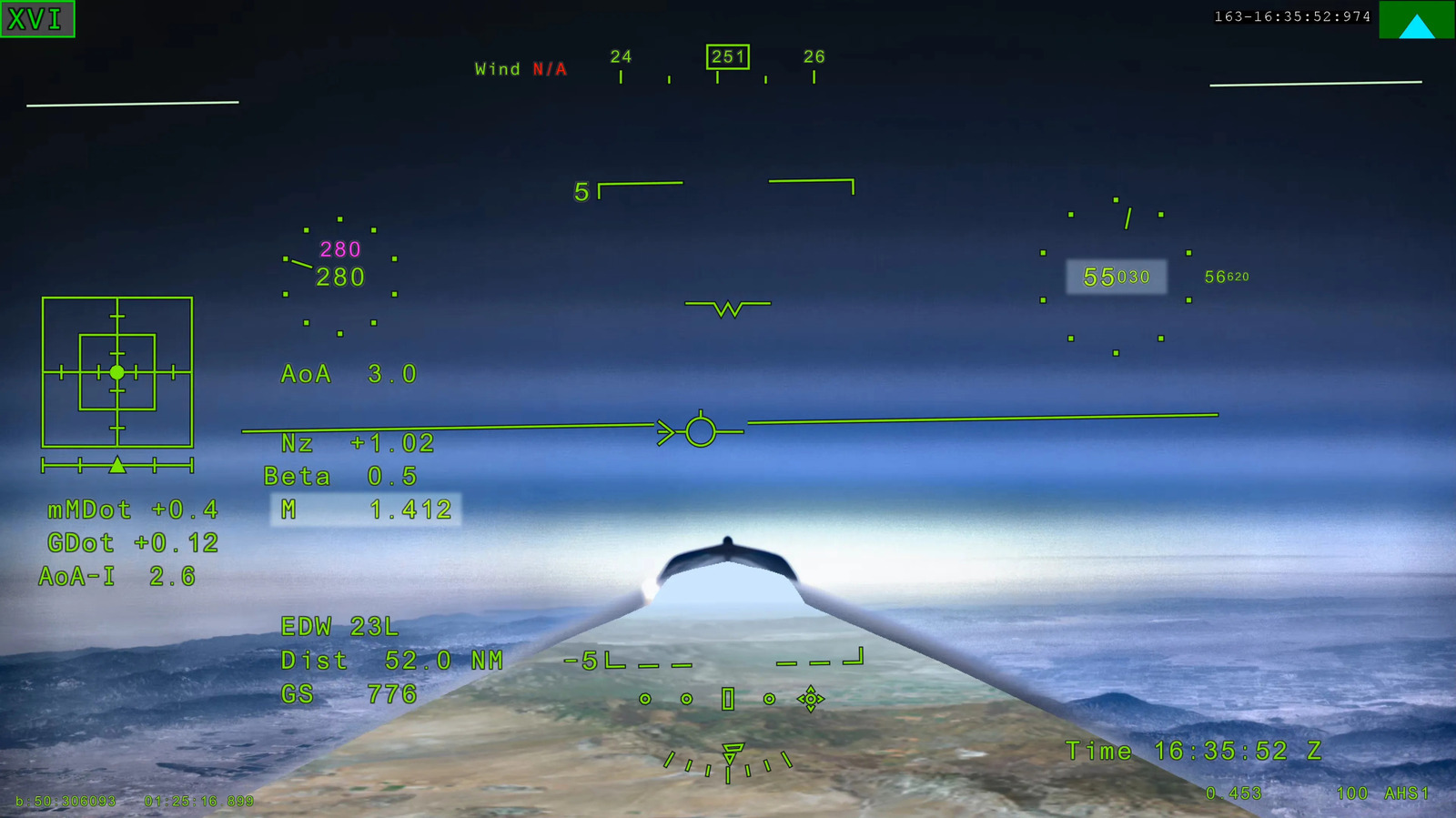
NASA's X-59 research plane hit key speed and altitude targets in a recent test flight, advancing toward its goal of conducting quiet supersonic flights over US communities, according to Engadget. The aircraft, designed to produce a quiet sonic thump instead of a traditional loud boom, reached Mach 1.4 (approximately 924 mph) and an altitude of 55,000 feet on Friday, June 12. This follows an earlier supersonic flight on June 5, during which it reached Mach 1.1.
Milestones Achieved
The space agency described the latest flight as "an even more critical step" than the prior one, as it demonstrated the X-59 can achieve the speed and altitude conditions required for its upcoming Quesst mission, Engadget reported. The following table summarizes the test parameters:
| Parameter | June 5 Flight | Friday Flight |
|---|---|---|
| Speed | Mach 1.1 | Mach 1.4 (~924 mph) |
| Altitude | Not specified | 55,000 feet |
The Quesst Mission
The Quesst mission, still several months away, will involve the X-59 flying over populated areas to gather public feedback on the sound of its quiet sonic thump, according to Engadget. Currently, during testing, the X-59 flies alongside another research aircraft that produces a traditional sonic boom to mask the X-59's noise.
Acoustic Validation Phase
Before the community overflights begin, the X-59 will undergo an acoustic validation phase. During this phase, the team will measure the aircraft's supersonic acoustic signature to confirm it breaks the sound barrier without generating a conventional sonic boom, Engadget reported. NASA aims to ensure the X-59's unique design produces only a "quiet sonic thump" as it travels faster than sound.
These milestones bring NASA closer to demonstrating quiet supersonic technology, which could ultimately pave the way for commercial supersonic flight over land.
Sources: