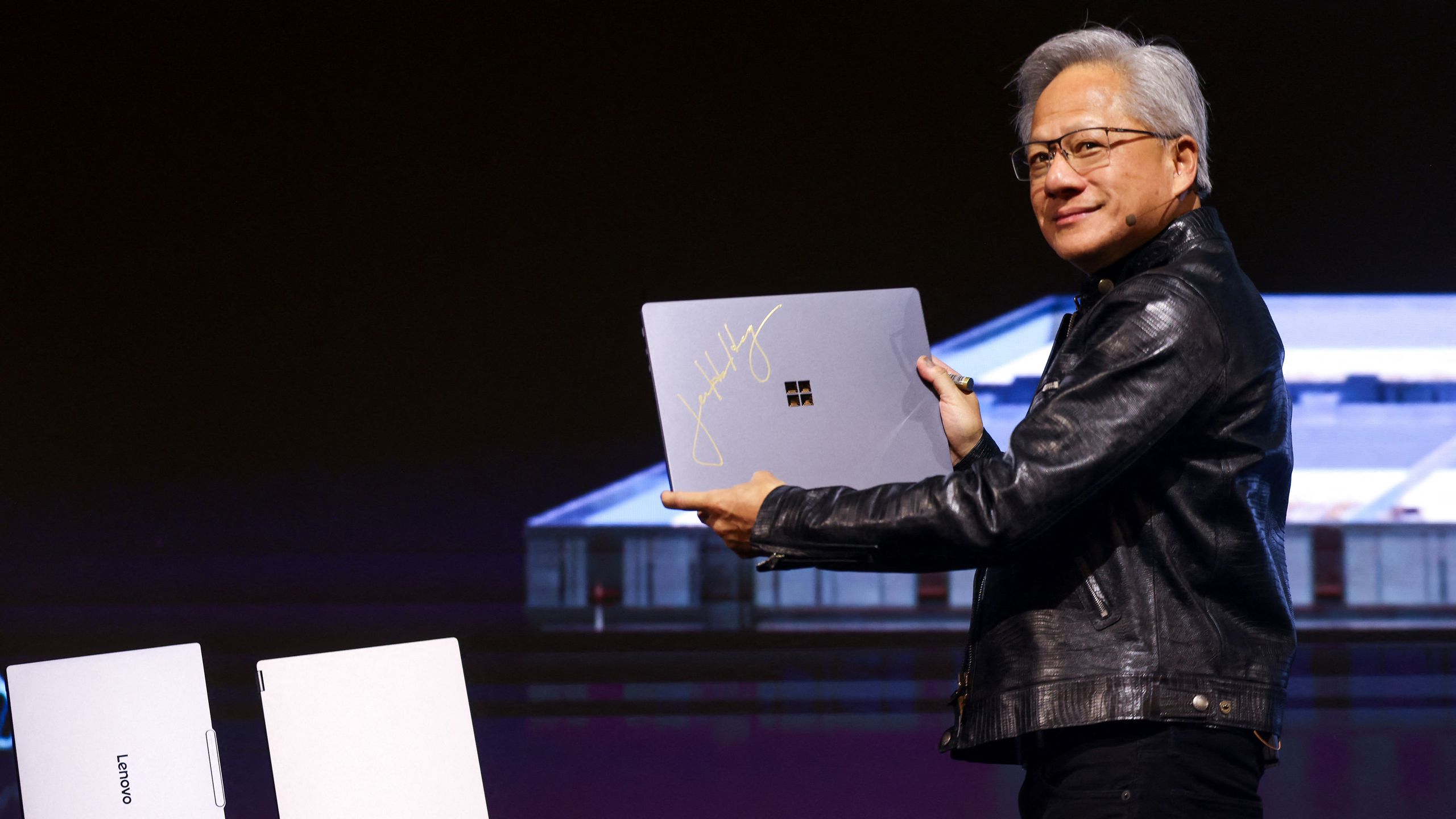
The ongoing RAM crisis is set to persist for "quite a few years," according to Nvidia's CEO Jensen Huang. This prediction comes amidst a new partnership between Nvidia and memory chip maker SK Hynix, focusing on next-generation memory technology.
The RAM Crisis: A Long-Term Concern
Jensen Huang's comments suggest that the RAM shortage will not ease soon, contradicting some earlier optimistic forecasts. While some industry insiders, like the ex-chief of Samsung's semiconductor business, have suggested a potential easing by early 2028, Huang's outlook aligns with more pessimistic views, including those from the chairman of SK Hynix's parent company, predicting issues until 2030.
Implications for Laptop and PC Buyers
For those considering purchasing new laptops or PCs, Huang's prediction implies that waiting might lead to higher costs. The RAM shortage, coupled with potential SSD price hikes, suggests that current prices, though high, could be more favorable than future costs. Huang's insights indicate that buying during major sales events like Amazon Prime Day or Black Friday could be strategic.
Desktop PCs and Component Pricing
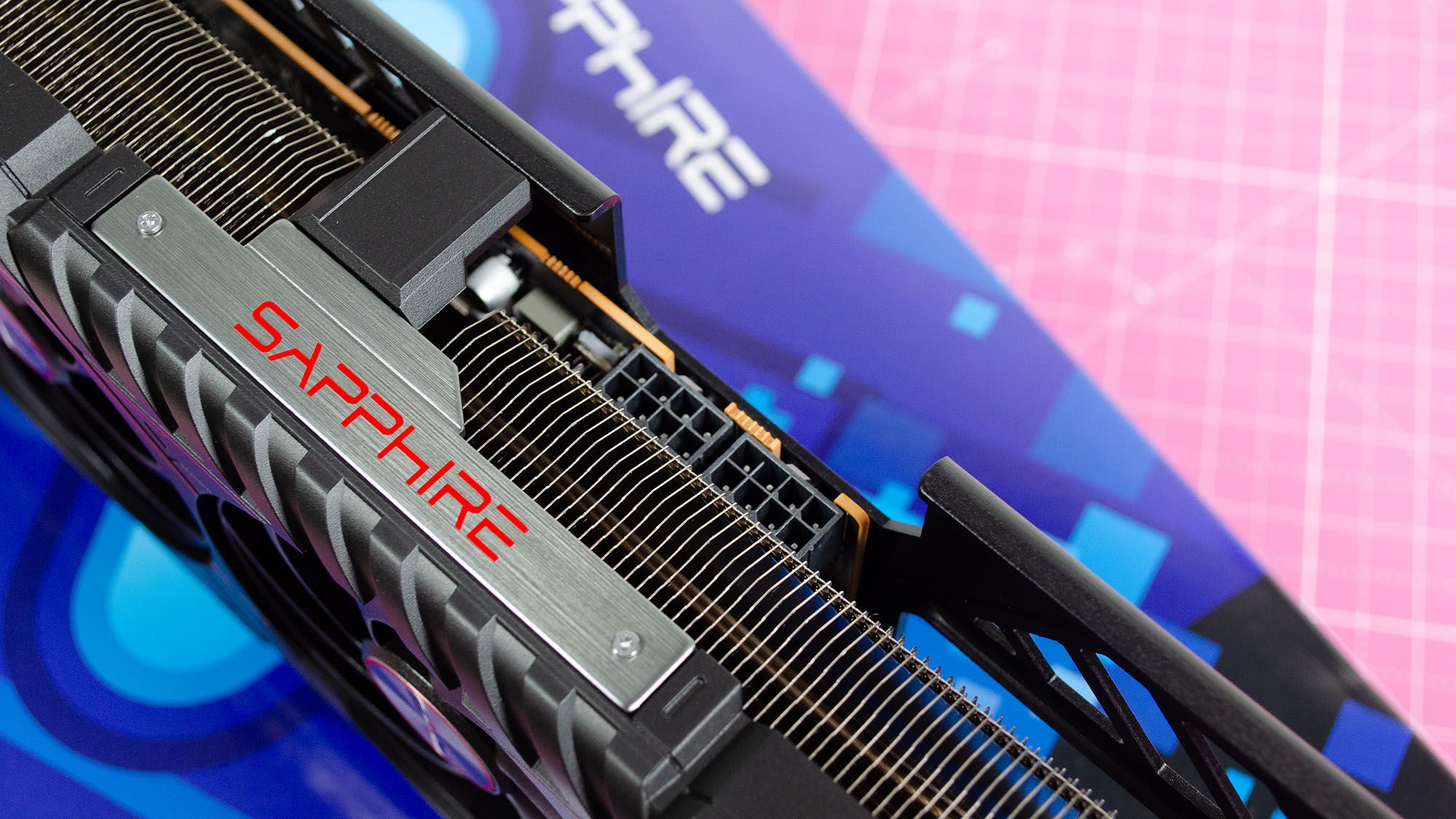
The situation is similar for desktop PCs, where discrete GPUs and other components are also facing price pressures. For those building custom PCs, the variability in component pricing adds complexity, making prebuilt systems potentially more cost-effective due to bulk purchasing advantages.
RAM and SSDs: The Core of the Crisis
The RAM crisis began in September 2025, with prices for DDR4 and DDR5 RAM tripling or quadrupling. Despite some signs of stabilization, predictions from industry executives, including a Lexar executive, suggest further price increases by the end of 2026. This ongoing volatility makes it challenging to recommend purchasing RAM or SSDs at current prices.
In conclusion, Nvidia's partnership with SK Hynix and Huang's forecast highlight the persistent challenges in the memory market. For enterprise technology decision-makers, this underscores the importance of strategic purchasing and inventory management to mitigate future cost impacts.
Sources: