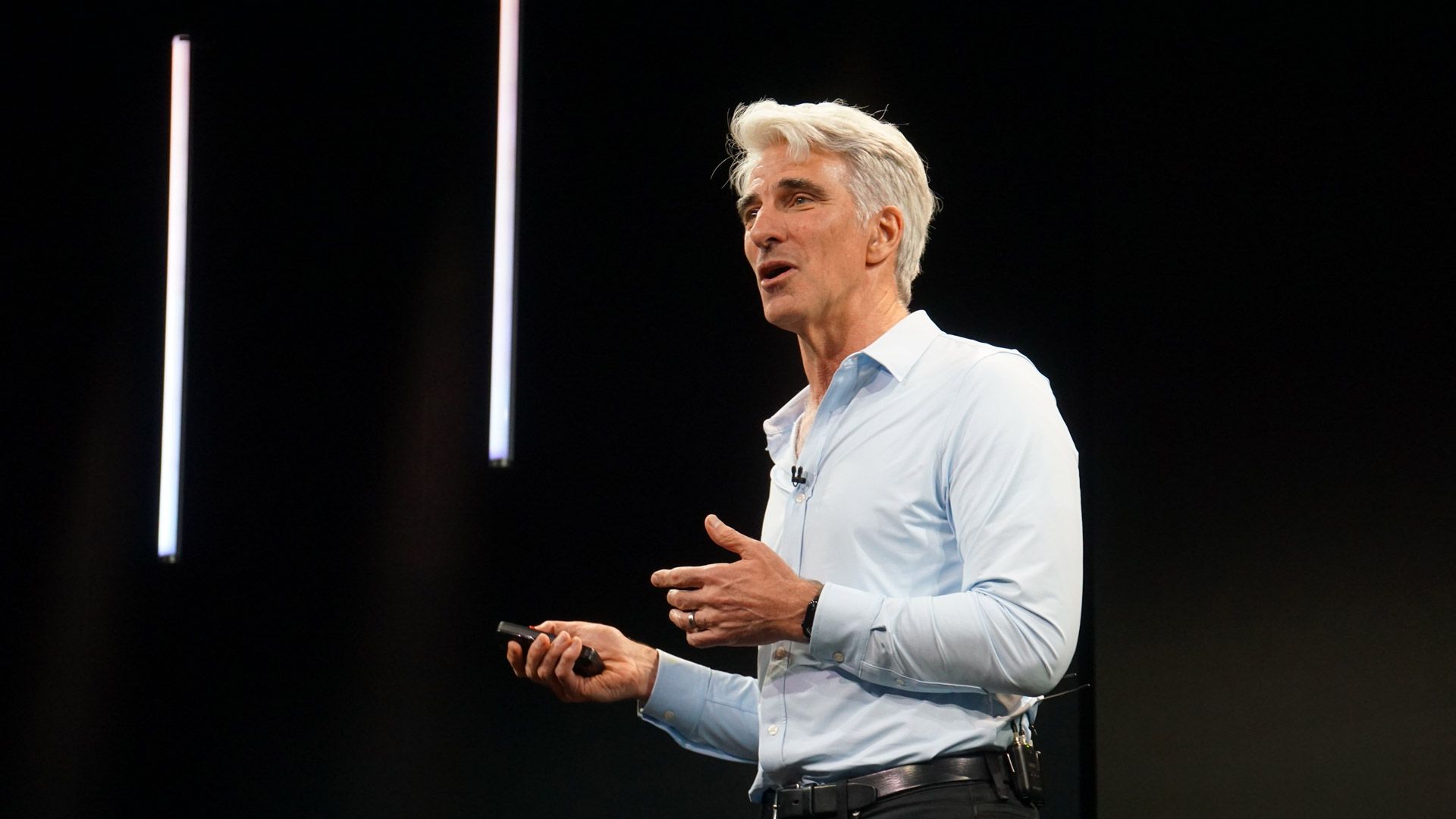
OpenAI is betting that the next big leap in artificial intelligence won't come from a standalone product but from an all-in-one platform it calls a 'super app.' The company has put Thibault Sottiaux, its newly appointed head of core products, in charge of merging ChatGPT and Codex into what could become the dominant interface for both personal and professional tasks, according to WIRED.
The Super App Vision
OpenAI's goal is to transform the chatbot's simple interface into a personalized AI agent that can handle tasks across every facet of life. Termed internally and publicly a 'super app,' the platform represents one of the biggest bets OpenAI has ever made. Sottiaux describes the aim as building the 'world's best personal agent that deeply understands what humans care about.' Over the next year, he says ChatGPT will become 'delightfully proactive,' delivering the right information at the right time.
For enterprise users, the super app promises to automate work tasks such as filing expense reports before they're due. Under the hood, the system will largely be powered by Codex, OpenAI's fastest-growing revenue stream, according to WIRED. Codex can write software code, run API calls, or surf the web to complete a task, but the user will interact only through natural language. OpenAI has already shuttered stand-alone products like its video app Sora and an AI platform for scientists to funnel resources into the super app project.
Engineering Roots and Codex
Sottiaux's background is rooted in mathematics and AI infrastructure. After studying applied mathematics in Belgium, he joined Google's London offices in 2015, working on Google Maps before moving to Google DeepMind. There, he helped build the tools that enabled AlphaGo to defeat a human Go champion in 2016. Inspired by ChatGPT's launch in 2022, he joined OpenAI in 2024 and soon began building Codex. The coding tool exploded in popularity, making Sottiaux a minor celebrity in the developer community, where he personally responded to bug reports on X.
Now, overseeing both ChatGPT and Codex, Sottiaux reports directly to Greg Brockman, who is responsible for all product teams while CEO of AGI deployment Fidji Simo is on medical leave. The core super app team remains small; two months ago, Sottiaux's Codex team consisted of only around 40 people.
Enterprise Implications and Agentic Payments
For enterprise technology buyers, the super app represents a potential consolidation of multiple workflow tools. OpenAI already offers integrations that connect ChatGPT and Codex to email inboxes, Slack, and calendars. Earlier this week, OpenAI announced an expanded partnership with Visa for agentic payments, enabling the AI to handle transactions autonomously. This signals that OpenAI is building the infrastructure to plug into existing enterprise financial systems, rather than replacing them like Asian super apps WeChat and Alipay did.
| Integration/Partner | Type | Enterprise Relevance |
|---|---|---|
| Visa | Agentic payments | Automates transaction handling |
| Slack | Messaging | Workplace communication |
| Email inbox | Communication | Scheduling, notifications |
| Calendar | Time management | Meeting scheduling, reminders |
Sottiaux acknowledges that OpenAI's earlier agent attempts — Operator and ChatGPT Agent — were 'too early' because models weren't reliable enough. Now, he claims the technology is ready, though teaching nontechnical users how to leverage agents remains a challenge. 'We have to bring the user along,' he told WIRED. 'Initially, maybe it's a small thing that we can do for you, and then increasingly, build confidence that ChatGPT can do bigger and bigger things.'
Competitive Landscape and Timing
OpenAI faces intense competition from Google and Anthropic as it races toward an IPO. The super app is designed to revitalize growth and establish leadership in both consumer and enterprise AI. Sottiaux declined to specify a launch date, saying only 'soon.' He noted that much of the super app's functionality is already available in Codex, and OpenAI plans to merge Codex into ChatGPT in the coming weeks. The company prefers small, iterative releases to gather feedback, because, as Sottiaux put it, 'you can't really afford to do a big splash and be wrong.'
The super app's success will depend on whether OpenAI can make a universal consumer interface so powerful that people no longer interact with the underlying websites and apps. For enterprises, that could mean a single AI agent managing everything from expense reports to payment approvals — but Sottiaux's real test will be turning that vision into a product that thousands of businesses trust.
Sources: