MySpace, the social network that once ruled the internet, is plotting a comeback. Brothers Tim Vanderhook and Chris Vanderhook, who own the platform, said they plan to relaunch it, though no date or product details have been announced, according to the BBC. A spokesperson for Viant, MySpace's parent company, said the firm has no updates to share "at this time." The prospect alone has stirred nostalgia among users who remember the platform as a space for raw, unfiltered self-expression.
The Appeal of an Unfiltered Feed
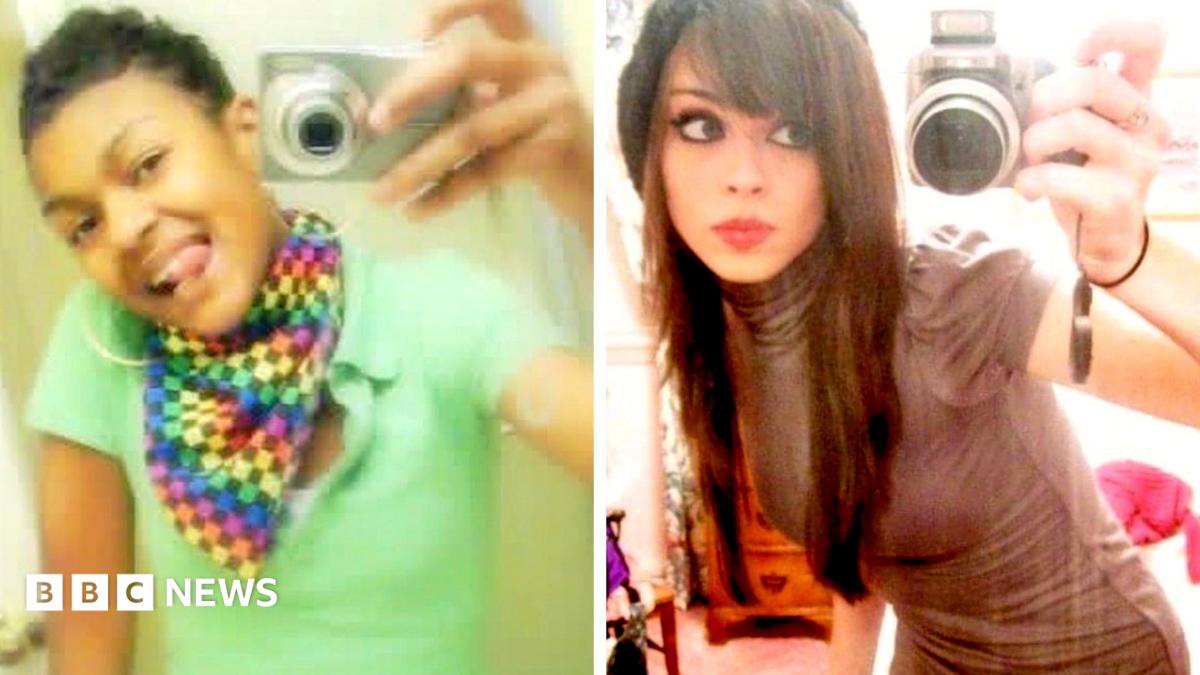
Monticah Hawkins, a 31-year-old real-estate agent in Atlanta, told the BBC that MySpace was a ritual. "You could be authentic on MySpace. Upload raw images, no filters. You could have snot coming out your nose and nobody would judge," she said. Her sentiment echoes across a generation that saw the platform as a refuge from the polished, algorithmically curated feeds of today.
Melissa Kristin, a TikTok star with more than 900,000 followers, grew up on MySpace and described it as "your own little world, your own corner of the internet." She told the BBC that a revived MySpace should avoid the algorithmic, pay-to-play dynamics that dominate modern platforms. "It would be best served for personal connection rather than performance," she said, recalling the "high" of receiving friend requests and comments.
Why MySpace Fell
Launched in 2003, MySpace rapidly became a cultural hub, helping artists like Arctic Monkeys, Adele, and Nicki Minaj find early audiences, according to the BBC. But its highly customised pages, auto-playing music, and busy layouts eventually became a liability. Facebook's cleaner, simpler design pulled users away, and MySpace struggled through redesigns and ownership changes before fading from mainstream use.
Dr Alexa Fox, a marketing professor at the University of Akron, said the platform was a "first mover" in social media but became too complex for many users. She told the BBC that MySpace's original strengths — music, creativity, and personal expression — could still resonate, but only with more accessible design. "It could be more user-friendly, with less coding involved," Fox said.
The Relaunch Challenge
The same features that made MySpace distinctive may be the ones that complicate its return. Alex Mills, a social media strategist who has led campaigns for Spotify and Adobe, told the BBC that the algorithm-free feed people now say they want was also "the thing that killed it."
"People still want a feed. They just want a better one than the ones optimising for rage bait." — Alex Mills, social media strategist
Kevin McClary, head of performance marketing at Gorilla 76, argued that MySpace should not try to compete directly with Meta, TikTok, or X. "They can be successful and sustainable even as a niche platform," he said, with a focus on 2000s culture. McClary suggests leaning into MySpace's music identity — profile songs, 2000s-themed festivals, merchandise — and notes that younger generations are already drawn to early-2000s aesthetics. "You see younger generations now buying old point-and-shoot digital cameras, MP3 players, even film cameras," he said. "They clearly have an interest in the past." According to the BBC, MySpace could meet users where that trend is growing.
Platform Lessons
| Factor | Early strength (per BBC) | Later liability (per BBC) |
|---|---|---|
| Personal expression | Customised pages reflected individuality | Busy layouts complicated the experience |
| Music discovery | Boosted Arctic Monkeys, Adele, Nicki Minaj | Auto-playing music became a drawback |
| Design simplicity | First mover in social media (Dr Alexa Fox) | Too complex; Facebook's cleaner design won |
The MySpace story, as reported by the BBC, captures a familiar tension in technology platforms: the balance between user autonomy and ease of use. For enterprise technology decision-makers, the episode is a reminder that features which empower users can also become adoption barriers if they are not paired with a simple experience. The platform's potential relaunch will test whether a model built on raw, unfiltered connection can survive alongside feeds designed to maximise engagement.
Sources: