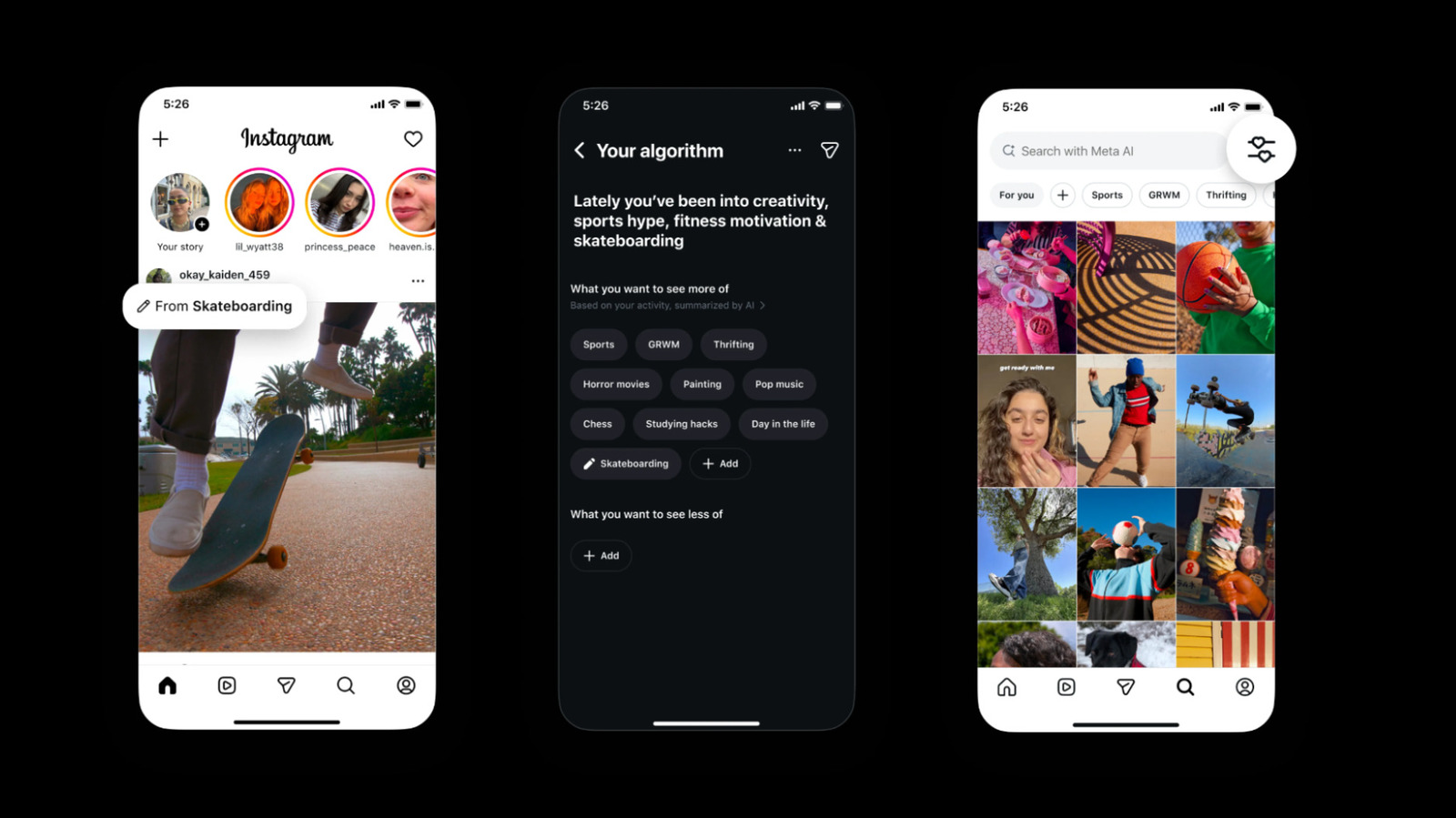
Instagram has given users more control over their main feed algorithm — but only for interest-based topics, not for the accounts they actually follow. The feature, previously available in other parts of the app, now lets users type in topics they want to see more or less of, such as "rescue dogs" or "parenting humor." However, when users try to request "posts from people I follow," the app returns an error message that says "no results found," according to Engadget.
The Business Problem: User Agency vs. Algorithmic Recommendations
According to Adam Mosseri, head of Instagram, the change is intended to give users more "agency" over their experience. “I believe it’s in our best interest as a business to empower people to shape Instagram into something that works for them, and that people should be able to have a meaningful amount of agency over the products they spend so much time in,” he wrote in a lengthy Threads post, as reported by Engadget.
But that agency has a clear boundary. The feature only works with interest-based topics, leaving users who want to see more content from the people they follow disappointed. Mosseri acknowledged the frustration: “Who you follow used to be a meaningful tool people had for shaping their own experience, and as recommendations took over the main feed that tool quietly stopped working,” he wrote. He explained that the shift was inevitable because personal moments moved to Stories and DMs, and a feed of one-in-fifty friends posting a polished moment wasn't interesting — algorithmic recommendations filled that gap.
The Technology Behind It: Large Language Models
Mosseri revealed that the new personalization features are made possible by large language models (LLMs), which have helped demystify previously inscrutable algorithms. According to Engadget, Mosseri said these same tools could eventually enable an even deeper level of personalization or a completely "bespoke" version of the app. Instagram is "actively working on supporting requests for people, different moods or vibes, content types, and more."
| Feature | What It Does | Limitation |
|---|---|---|
| Topic-based personalization | Users can type topics (e.g., "rescue dogs") to see more or less of that content. | Does not support requests for "posts from people I follow." |
| Large language models powering it | LLMs help understand user intent and demystify algorithm behavior. | Still in early stages; future versions may offer bespoke experiences. |
The Limitation: No Support for Following Feed Requests
For creators and businesses, the inability to prioritize posts from followed accounts is a sore spot. Engadget noted that Mosseri is regularly questioned about why creators' posts don't consistently reach all — or even most — of their followers. While Instagram does offer a dedicated "following" feed (a separate tab), Mosseri did not indicate any plans to scale back recommendations in the main feed. The new personalization feature, therefore, allows users to fine-tune interest-based content but does not restore the old chronological or follow-based feed.
Implications for Content Creators and Businesses
The update is significant for any organization using Instagram for marketing or customer engagement. Mosseri's acknowledgment that "leaning into content from accounts you do not follow became an inevitability" underscores a strategic shift: Instagram prioritizes algorithmic recommendations to keep users engaged with a broader set of content, but this reduces organic reach for creators. Enterprise users relying on Instagram for brand awareness must adapt their strategies, knowing that even followers may not see their posts unless the algorithm recommends them.
For technology leaders, this case illustrates the delicate balance between personalization, user control, and platform business models. The use of LLMs to give users more visible control over algorithms — while still retaining core recommendation logic — is a pattern likely to spread across consumer and enterprise platforms alike.
Sources: