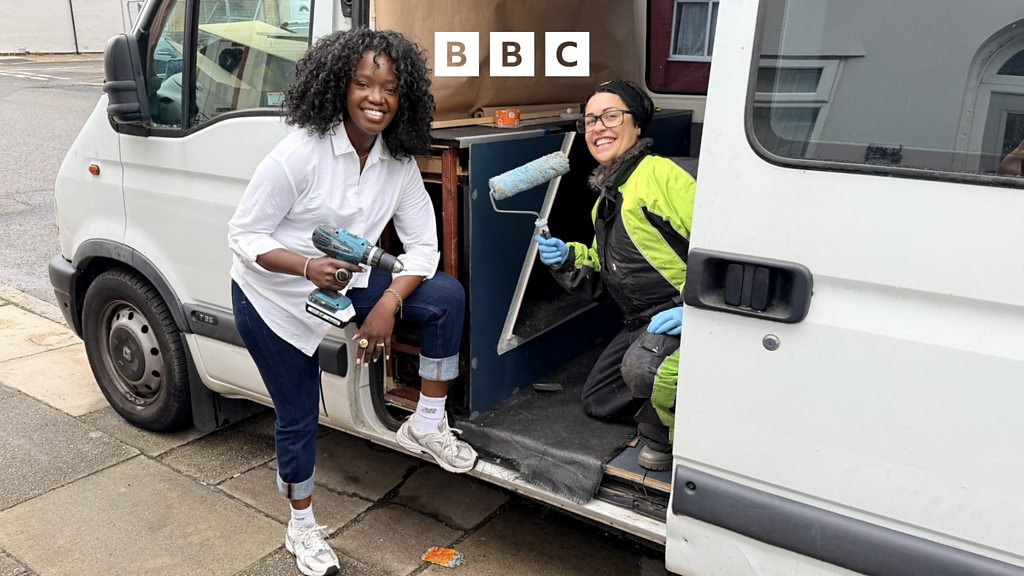
Many people have great business ideas but lack the resources to develop them. A programme in Liverpool, England, aims to find these 'hidden entrepreneurs' with the support of an organisation called Public Life. The initiative offers selected individuals a year's wage, expert help, and mentoring to turn their concepts into reality. This effort is featured in an episode of the BBC podcast People Fixing The World, hosted by Myra Anubi.
The Search for Hidden Entrepreneurs
According to the episode description, the city of Liverpool set about finding these hidden entrepreneurs with the help of Public Life. The entrepreneurs come from all walks of life and have been offered a year's wage to develop their idea, alongside expert help and mentoring. The programme's inspiration stems from the belief that great business ideas often arise when life events force people to experience things from a different angle.
Example Business Ideas
The episode features two notable examples:
- A hairdresser who is building a salon-on-wheels for her best friend.
- A travel agent who is making a 'Trip Advisor for the senses'.
Both ideas emerged from the entrepreneurs' own life experiences, illustrating how personal challenges can spark innovation.
The BBC Podcast Series
People Fixing The World from the BBC is a podcast about brilliant solutions to the world's problems. A new edition is released every Tuesday. The episode on hidden entrepreneurs was presented by Myra Anubi, produced by William Kremer, with an executive producer Richard Kenny, editor Jon Bithrey, and sound mix by Hal Haines. The image accompanying the episode shows Myra Anubi with Frankii Panchoo in Liverpool.
Listeners are encouraged to share their own solutions via WhatsApp at +44 8000 321721 or email peoplefixingtheworld@bbc.co.uk, and to leave a review on their chosen podcast provider.
Implications for Technology Decision-Makers
While the episode focuses on community-level entrepreneurship, the underlying model—identifying overlooked talent and providing structured support—holds relevance for enterprise innovation. Companies seeking to unearth novel solutions may draw lessons from Liverpool's approach: offering resources and mentoring to individuals with lived experience, rather than relying solely on internal R&D. The examples of a mobile salon and a sensory-friendly travel platform hint at potential applications in logistics, retail, and accessibility technology.
Sources: