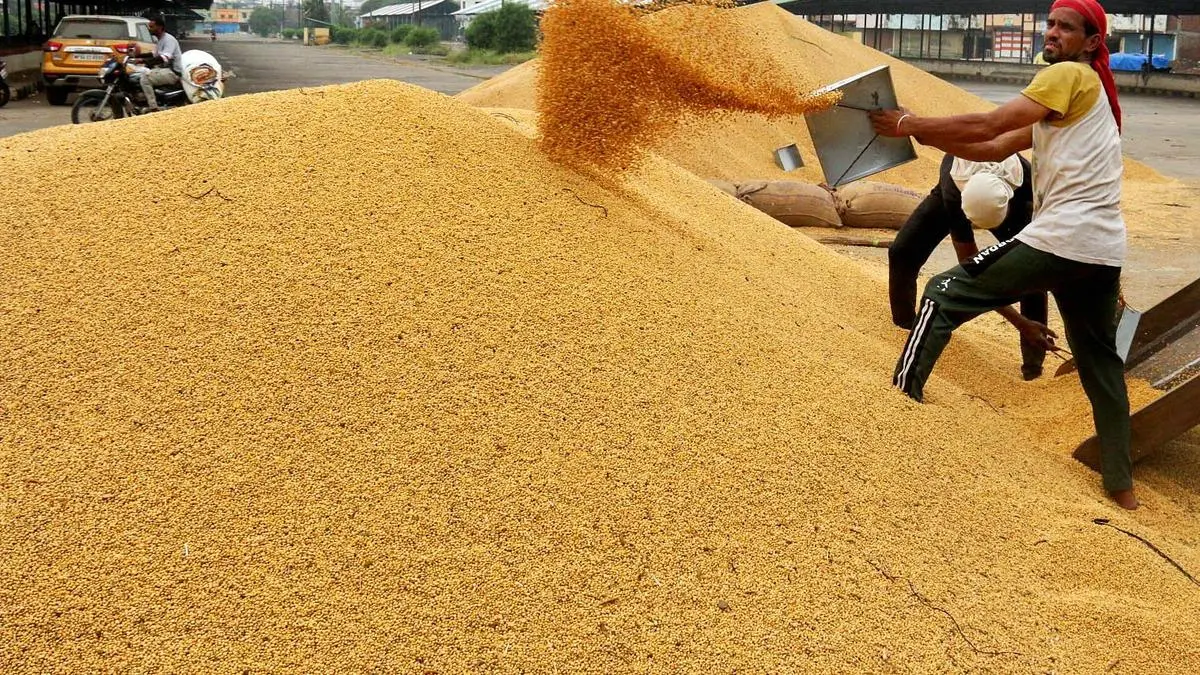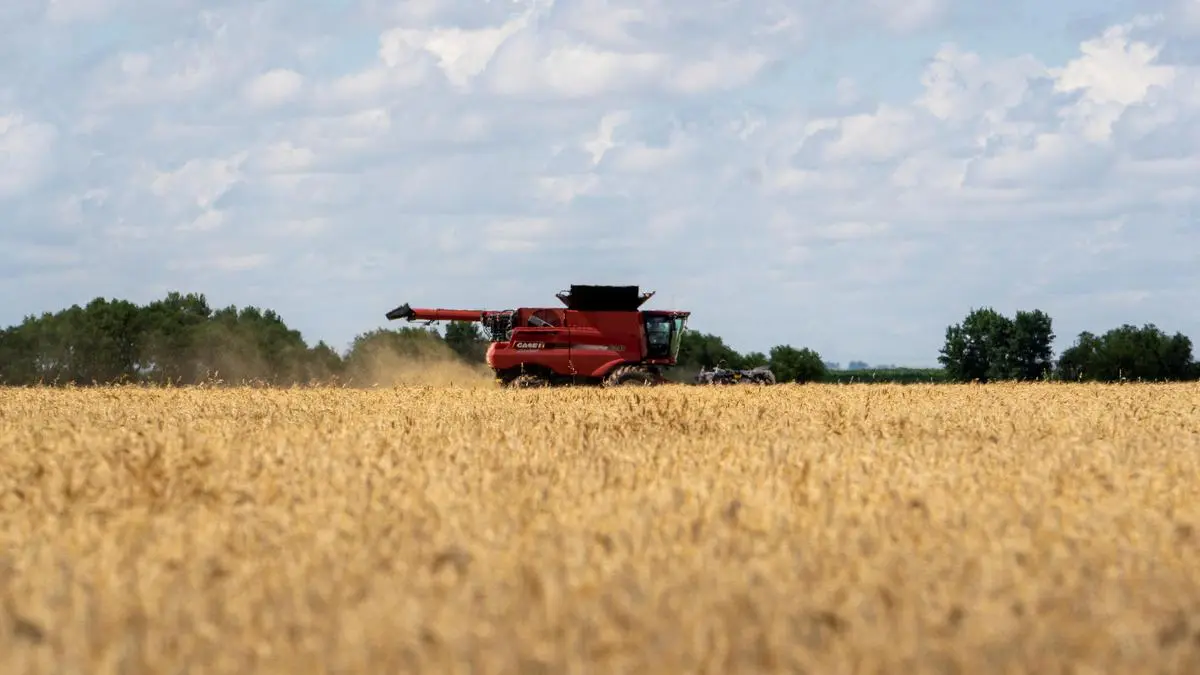
Bangladesh has issued a global tender to import 50,000 tonnes of wheat, but Indian exporters face significant challenges due to stringent specifications and competitive pricing from other origins, according to the Directorate General of Food. The tender, opened on June 9, 2026, requires 60% of the wheat to be delivered at Chattogram Port and the remainder at Mongla Port.
Specifications and Pricing Challenges
The tender specifies a minimum test weight of 76 kg/hectolitre with a maximum docage of 1%. Indian wheat typically has a test weight of 72-74 kg/hl and a docage over 2%, making it difficult for Indian exporters to meet these requirements without additional sorting. Rajesh Paharia Jain, a New Delhi-based exporter, noted that only wheat from Madhya Pradesh might meet these specifications.
In a recent tender by Jordan, the test weight was 78 kg/hl with a protein content of 12.4%. Indian wheat is priced at $280 per tonne f.o.b., with additional costs bringing it to $310-315 per tonne. In contrast, bids in the Jordan tender did not exceed $280 per tonne.
Competitive Pricing from Black Sea Region
The Black Sea region offers wheat at $233-238 per tonne f.o.b.. Even with freight and liner expenses, this pricing remains competitive, presenting a significant challenge for Indian exporters. The price difference of $25-30 per tonne is substantial in the global market.
Indian Wheat Exports and Production
Despite these challenges, India has resumed wheat exports after three years, with ITC and Gurudeo exporting to the United Arab Emirates at $280 per tonne. India's wheat production is estimated at a record 120.65 million tonnes this year, with the government procuring 35 million tonnes at minimum support prices.
The US Department of Agriculture has increased its outlook on Indian wheat exports to 2 million tonnes, reflecting changes in the global grains market due to geopolitical crises and weather conditions affecting production in the US, Australia, and Canada.
"The developments post-Bangladesh tender will need to be watched out for," said trade sources, noting that global wheat prices have risen 16% this year, which could influence future trade dynamics.
Sources: