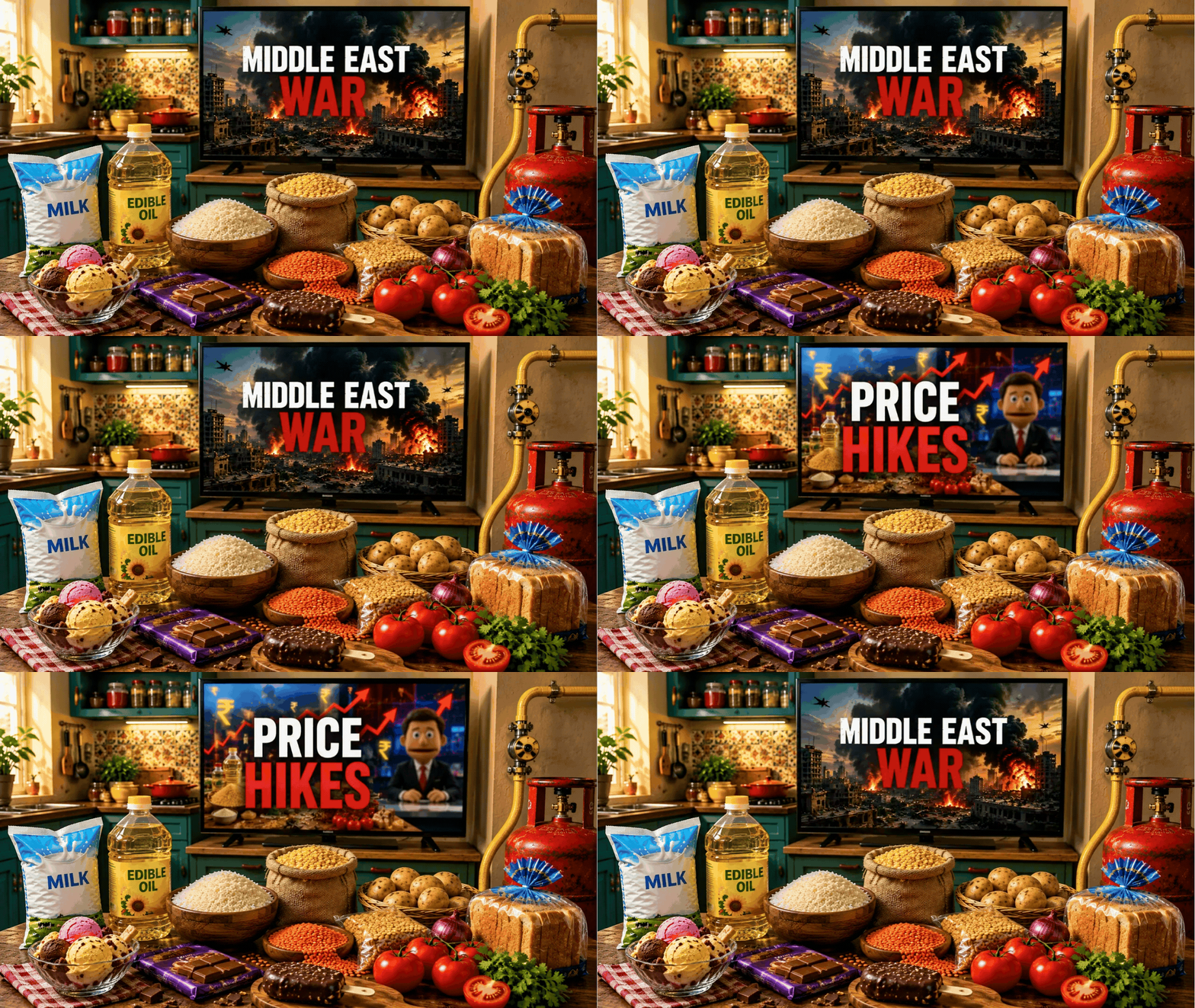
The Middle East conflict, now over three months old, is significantly impacting global trade, particularly affecting import costs and supply chains. With crude oil prices soaring beyond $90 a barrel, the ripple effects are felt across various sectors.
Crude Oil Price Surge
The Strait of Hormuz, a critical chokepoint for global oil shipments, is at the heart of the crisis. Iran's strategic position has led to disruptions, pushing crude oil prices from $70 to over $126 per barrel. This increase has directly influenced the cost of imports, affecting everything from transportation to logistics.
- Petrol and Diesel Prices: Increased by Rs 7.5 per litre in India.
- LPG Costs: A 14.2 kg domestic cylinder now costs Rs 913.00.
Currency Fluctuations
The Indian rupee has hit record lows, acting as an "extra tax" on imports. This depreciation exacerbates the cost of imported goods, particularly those linked to fuel and long-haul supply chains.
"The rupee's decline is quietly acting like an extra tax on imports," analysts note.
Cooking Oil Dependency
India's reliance on imported cooking oil highlights another vulnerability. Despite being a major oilseed producer, the country imports over 56% of its edible oil needs. This dependency makes it susceptible to global price shifts.
| Year | Import Dependency (%) | Self-Sufficiency (%) |
|---|---|---|
| 2015-16 | 63.2 | 36.8 |
| 2023-24 | 56.25 | 43.74 |
Impact on Households and Businesses
The rising costs of LPG and cooking oil are affecting both households and businesses. Restaurants and food businesses face higher operating costs, often passing these onto consumers.
Strategic Implications
The ongoing conflict underscores the need for diversified supply chains and increased self-sufficiency in critical commodities. As negotiations continue, the global trade landscape remains volatile, with significant implications for importers and exporters worldwide.