
Topic
consumer finance
 E-Commerce & Marketplaces
 BNPL Rules Bring Refunds and Rejections as FCA Regulation Takes Effect
New Financial Conduct Authority rules effective from Wednesday require Buy Now Pay Later lenders to be authorised, giving shoppers stronger refund rights and access to the Financial Ombudsman Service. However, instant affordability checks on each transaction may reject 10% to 30% of users, according to Fair4All Finance, raising concerns about pushing consumers toward unregulated alternatives.
 Manufacturing
 Auto Financiers Urge Industry to Embed Financing Seamlessly into Car Sales Process
Speaking at the FADA Finance and Insurance Summit 2026 in Mumbai, auto financiers urged the industry to move beyond generic EMI products toward embedded finance that integrates digital credit at the point of sale. Rajan Pental of Yes Bank noted that while customers arrive fully informed about cars, the multiplicity of lenders delays transactions. India's auto finance market remains dominated by traditional loans, with leasing at about 1.5% and subscription at 0.1%, contrasting with maturing platform-led models in Europe and the US.
 Finance
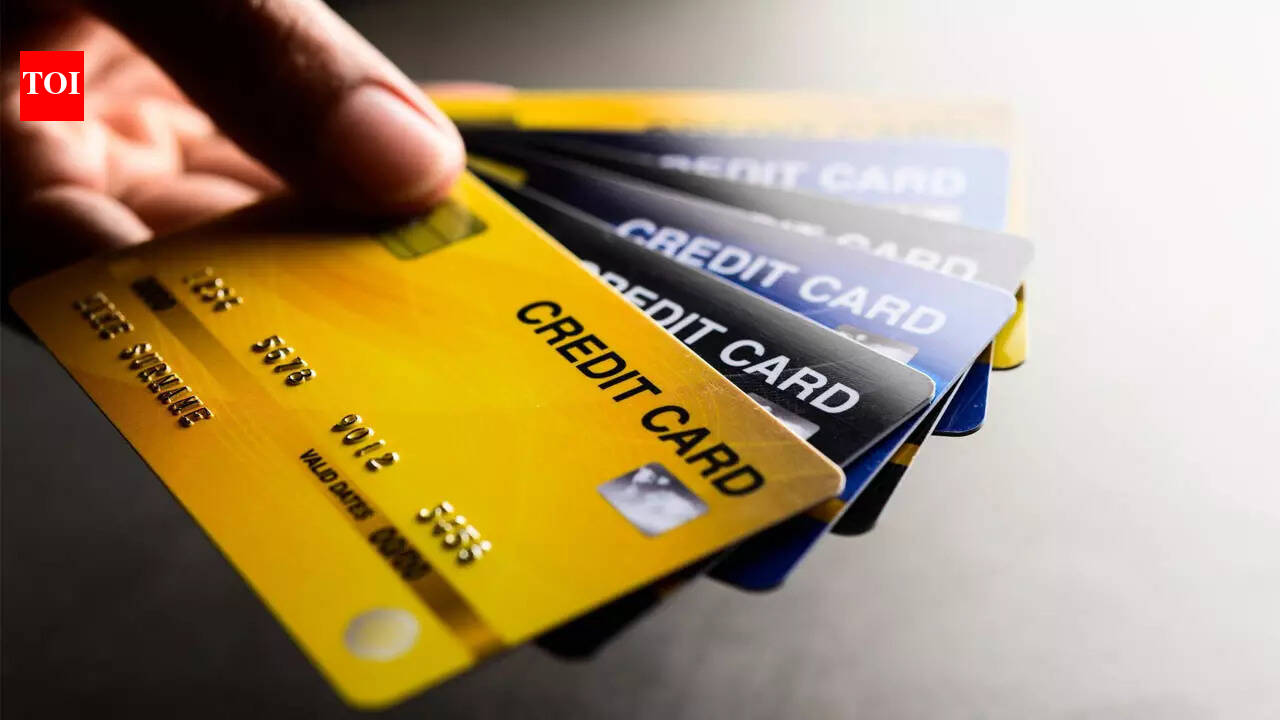
 India's Credit Card Market Grows 8x in Decade but Penetration Remains Low at 25%
A TransUnion CIBIL report reveals India's credit card market has expanded sharply over the past decade, with outstanding balances rising 8.3 times to Rs 3.1 lakh crore. However, penetration remains low at 25%, compared to over 60% in Colombia, UK, USA, and Hong Kong. New-to-credit additions have slumped to 8% of fresh cards, indicating limited expansion of the formal credit ecosystem.
Jersey Government to Share Personal Data With UK Credit Agencies From July 30
Jersey's government will securely share residents' personal data with UK credit reference agencies from 30 July 2026, unless they opt out, to improve access to credit cards. The move has drawn mixed reactions: some islanders welcome easier credit applications, while others worry about data privacy. Consumer Council calls it a relief for those previously unable to obtain credit.
 Finance
 RBI’s ECL Model From FY28: Why Credit Scores Matter More for Borrowing Costs
The Reserve Bank of India will require banks to shift to an expected credit loss (ECL) model from FY28, increasing baseline provision coverage. This regulatory change will make credit scores—like CIBIL—more influential in determining borrowing costs, as lenders adjust pricing for risk. Under the new framework, borrowers with low scores face higher rates or rejection, while top-tier scores (750+) continue to attract the best terms.