iGEN
Visit IGEN World Explore IGEN Expo
EXPLORE UPGRADE PLANS
BREAKING
Relay Q: London Startup's AI Microphone Puts Hands-Free Voice Dictation on the Desktop Google Pixel 10a Crowned Best Budget Pixel in WIRED's Updated 2026 Buying Guide Global Steel Wire seeks fresh Santander terminal concession Veritas Shipmanagement books fresh ultramax pair at COSCO yard, Splash247 reports Seanergy linked to fresh newcastlemax at Hengli as dry bulk orderbook grows Weaker rupee may push foreign assets over FAST-DS Rs 1 crore limit, raising tax bill 45 Indian power plants face critically low coal stocks as monsoon hits supply SFL Makes Fresh $363m Car Carrier Play With Four LNG Dual-Fuel Newbuilds Iran Blacklist Threatens Hormuz Shuttle Tanker Lifeline for Gulf Crude Keyfield International Enters Dredging Market with $24.7m Vessel Acquisition Relay Q: London Startup's AI Microphone Puts Hands-Free Voice Dictation on the Desktop Google Pixel 10a Crowned Best Budget Pixel in WIRED's Updated 2026 Buying Guide Global Steel Wire seeks fresh Santander terminal concession Veritas Shipmanagement books fresh ultramax pair at COSCO yard, Splash247 reports Seanergy linked to fresh newcastlemax at Hengli as dry bulk orderbook grows Weaker rupee may push foreign assets over FAST-DS Rs 1 crore limit, raising tax bill 45 Indian power plants face critically low coal stocks as monsoon hits supply SFL Makes Fresh $363m Car Carrier Play With Four LNG Dual-Fuel Newbuilds Iran Blacklist Threatens Hormuz Shuttle Tanker Lifeline for Gulf Crude Keyfield International Enters Dredging Market with $24.7m Vessel Acquisition
Home ›› Manufacturing ›› Mfg Automotive ›› RBI’s ECL Model From FY28: Why Credit Scores Matter More for Borrowing Costs

RBI’s ECL Model From FY28: Why Credit Scores Matter More for Borrowing Costs

The Reserve Bank of India will require banks to shift to an expected credit loss (ECL) model from FY28, increasing baseline provision coverage. This regulatory change will make credit scores—like CIBIL—more influential in determining borrowing costs, as lenders adjust pricing for risk. Under the new framework, borrowers with low scores face higher rates or rejection, while top-tier scores (750+) continue to attract the best terms.

iG
iGEN Editorial
June 13, 2026
RBI’s ECL Model From FY28: Why Credit Scores Matter More for Borrowing Costs

Starting FY28, Indian banks will adopt the expected credit loss (ECL) model for provisioning on bad loans, replacing the current incurred loss model. According to a report by The Hindu BusinessLine, the ECL model is inherently more proactive in recognising credit risk and, by virtue of the RBI’s regulations, raises the baseline provision coverage significantly. This shift will not only affect banks but also influence borrowing costs—especially for borrowers who do not closely monitor their credit scores.

The ECL Model’s Impact on Banks and Borrowers

Under the current incurred loss model, provisions are made only after a trigger event—such as default or non-repayment—occurs. The ECL model, by contrast, requires banks to recognise credit risk earlier and set aside provisions before defaults materialise. As the report notes, “defaults are just outcomes of credit risk which may be brewing for quite a while.” The new framework significantly raises the baseline provision coverage, increasing banks' cost of funds for riskier lending. Consequently, lenders will pass on higher costs to borrowers through elevated interest rates, particularly for those with lower credit scores.

Credit Score Tiers and Lending Rates

Credit scores—three-digit numbers between 300 and 900—measure an individual’s creditworthiness. Higher scores indicate lower probability of default, prompting banks to charge lower interest rates. Conversely, lower scores attract higher rates. The report outlines four distinct score buckets:

Credit Score Range Tier Description Implication for Borrowers
750 – 900 Top tier Best interest rates; 79% of loans go to this group
650 – 749 Upper-middle Slightly higher rates
500 – 649 Lower-middle Higher rates; less favourable terms
300 – 499 Bottom tier Very high rates or likely rejection

Data from CIBIL reveals that 79 per cent of all loans are sanctioned to persons with scores more than 750. Borrowers in the bottom tiers face not only higher costs but also a high probability of loan rejection.

Implications for Corporate Borrowers and Treasury Professionals

While the report focuses on individual credit scores, the regulatory shift has direct implications for corporate borrowing costs. Banks subject to higher provision requirements under the ECL model will seek to maintain risk-adjusted returns across all lending portfolios, including trade finance and working capital facilities. Treasury professionals and CFOs should expect tighter credit assessment and pricing differentiation based on the creditworthiness of the borrowing entity—or even the guarantor’s personal credit score for small and medium enterprises. The proactive risk recognition under ECL may also accelerate covenant triggers and margin calls in loan agreements. As the report emphasises, “banks and NBFCs are in the risk business” and will adjust pricing accordingly. Maintaining a strong credit profile—whether corporate or personal—will become even more critical from FY28 onward.


Sources: Market-TOI
Keep Reading

Recommended Stories

RBI Governor Malhotra tells banks to build human oversight, says blaming AI 'unacceptable' Finance

RBI Governor Malhotra tells banks to build human oversight, says blaming AI 'unacceptable'

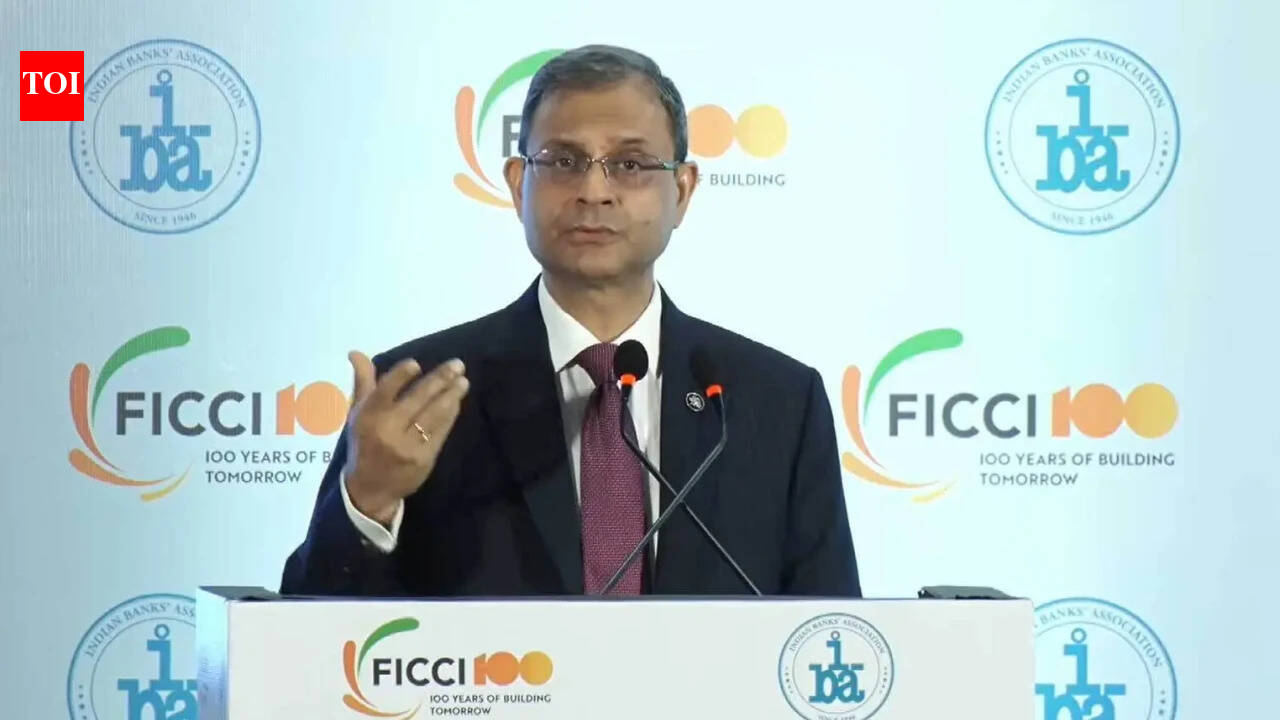
Reserve Bank of India Governor Sanjay Malhotra told banks that AI must augment human judgement, not replace it, and that lenders, not algorithms, own the responsibility for decisions. He demanded meaningful human oversight, complete inventories of AI models, and board-approved governance policies. Malhotra also flagged cyber security, model bias and 'herding' as key risks for the banking system.

August 11, 2026
RBI bars NBFCs from offering revolving credit facilities Finance

RBI bars NBFCs from offering revolving credit facilities

RBI has proposed draft directions barring NBFCs from offering revolving credit products and requiring all credit facilities to be structured as term loans. The framework removes demand and call loan provisions, withdraws the board-approved policy requirement, and defines term loans as non-replenishable fund-based facilities. Credit-card NBFCs explicitly authorised by RBI remain exempt.

August 7, 2026
RBI Turns Net Buyer of Dollars in June After Two Months of Heavy Sales Finance

RBI Turns Net Buyer of Dollars in June After Two Months of Heavy Sales

The Reserve Bank of India turned net buyer of dollars in June, purchasing $561 million after selling $6.1 billion in May and $3.6 billion in June 2025. An NRI deposit swap scheme boosted inflows, narrowing cumulative FY net sales to -$14.5 billion and cutting the forward short position to -$103.3 billion.

August 26, 2026
RBI Steps In to Support Rupee as Oil Prices and Dollar Demand Rise Finance

RBI Steps In to Support Rupee as Oil Prices and Dollar Demand Rise

The RBI likely intervened in the foreign exchange market on Tuesday to support the rupee, which was little changed at 95.7350 per dollar despite elevated oil prices and corporate dollar demand, four traders told Reuters. Brent crude traded at $92.45 a barrel, the dollar index at 99.04, and India's equity benchmarks opened lower. Separately, the RBI's special USD-INR swap facility mobilised $73 billion in forex inflows as of August 21.

August 25, 2026