India's credit card market has experienced substantial growth over the past decade, but penetration remains well below global benchmarks, according to a white paper by TransUnion CIBIL. Outstanding credit card balances have surged 8.3 times to Rs 3.1 lakh crore, while the number of cardholders has risen 3.6 times to 5.2 crore, the credit information company reported.
Key Metrics and Penetration Gap
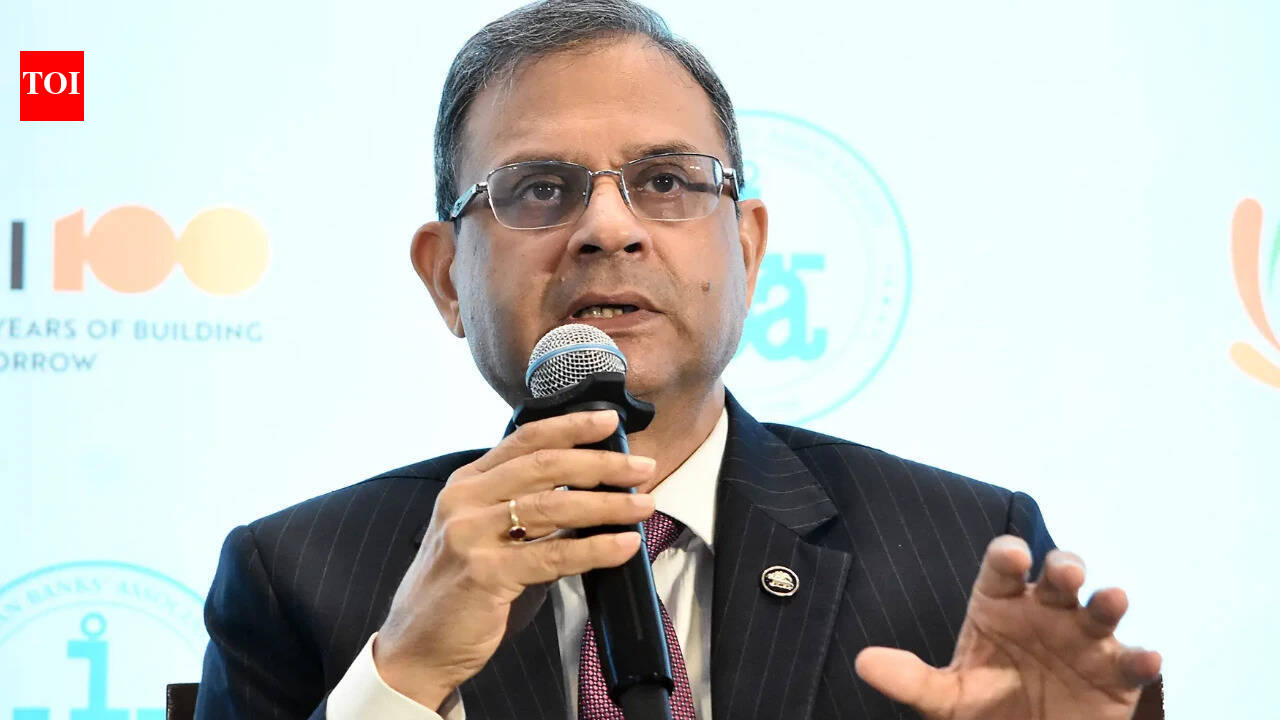
According to the report, only one in four credit-active consumers holds a credit card, representing a penetration rate of 25%. This lags far behind other developing and developed markets: Colombia at 62%, the UK at 70%, the USA at 81%, and Hong Kong at 98%. Bhavesh Jain, managing director and chief executive of TransUnion CIBIL, noted that India has an overall credit-active population of around 25 crore, of which 5.2 crore are credit card holders.
| Metric | Current Value | Change Over Decade |
|---|---|---|
| Outstanding balances | Rs 3.1 lakh crore | +8.3x |
| Credit card holders | 5.2 crore | +3.6x |
| Cards in circulation | 10.7 crore | +5.1x |
| Penetration (credit-active) | 25% | -- |
Shift in Consumer Behavior
The report highlights that credit cards have lost their position as the dominant unsecured credit product in consumers' wallets. The share of live credit cards in consumption loans has fallen from 56% to 38% over the decade. Meanwhile, alternatives such as Unified Payments Interface (UPI) and personal loans are gaining ground. Currently, only state-promoted RuPay credit cards can be linked to UPI apps; Visa and Mastercard cards are not supported, according to the white paper.
Interestingly, the share of consumers carrying three or more credit cards has risen from 12% to 22% over the same period. Jain added that younger demographics continue to show higher credit card ownership, and ownership is no longer confined to metropolitan cities, spreading to semi-urban and rural areas.
Portfolio Quality Improvement
Delinquency levels, which deteriorated during the Covid-19 pandemic, have now improved. Credit card outstandings overdue by 91 to 179 days declined to 1.7% in the year ended March 2026, compared with 2% a year earlier. This improvement in broader portfolio quality is a positive sign for lenders and investors, according to the report.
Implications for Trade Finance and Business Cost of Capital
While the credit card market primarily reflects consumer spending, the data carries indirect implications for trade finance and corporate treasury. The low penetration and high reliance on UPI suggest that digital payment infrastructure is expanding but still reliant on debit-based transactions rather than credit. This may influence the cost and availability of unsecured consumer credit, which in turn affects household consumption and demand for imported goods. Finance executives should monitor delinquency trends as an indicator of consumer health in key emerging markets. Improving portfolio quality (overdues declining to 1.7%) suggests lower credit risk, which could reduce the cost of capital for banks and non-bank lenders that issue securitized credit card receivables — a source of funding for trade finance.
NTC Additions Slump
New-to-credit (NTC) customers accounted for only 8% of fresh credit card additions, down from 26% a year ago. Jain highlighted that credit cards are contributing less towards expanding the formal credit ecosystem. This stagnation in new borrower acquisition may constrain future growth in consumer credit and limit the expansion of payment infrastructure that supports import-related digital transactions.
The report underscores a maturing market where existing users are becoming more leveraged (multi-card holders rising) but the base of new users is shrinking. For CFOs and treasury professionals, the key takeaway is that India's credit card penetration gap vs. global peers represents an untapped opportunity for payment processors and lenders, but structural shifts toward UPI and personal loans may reshape the competitive landscape.
Sources: