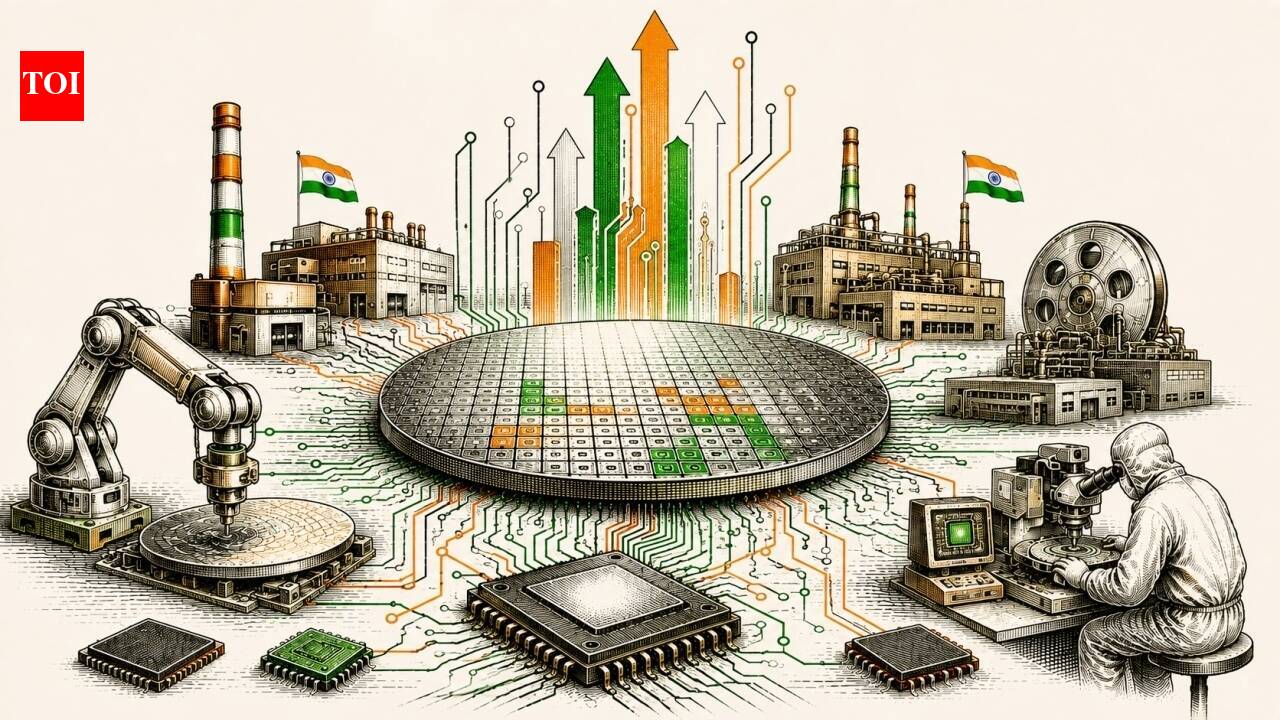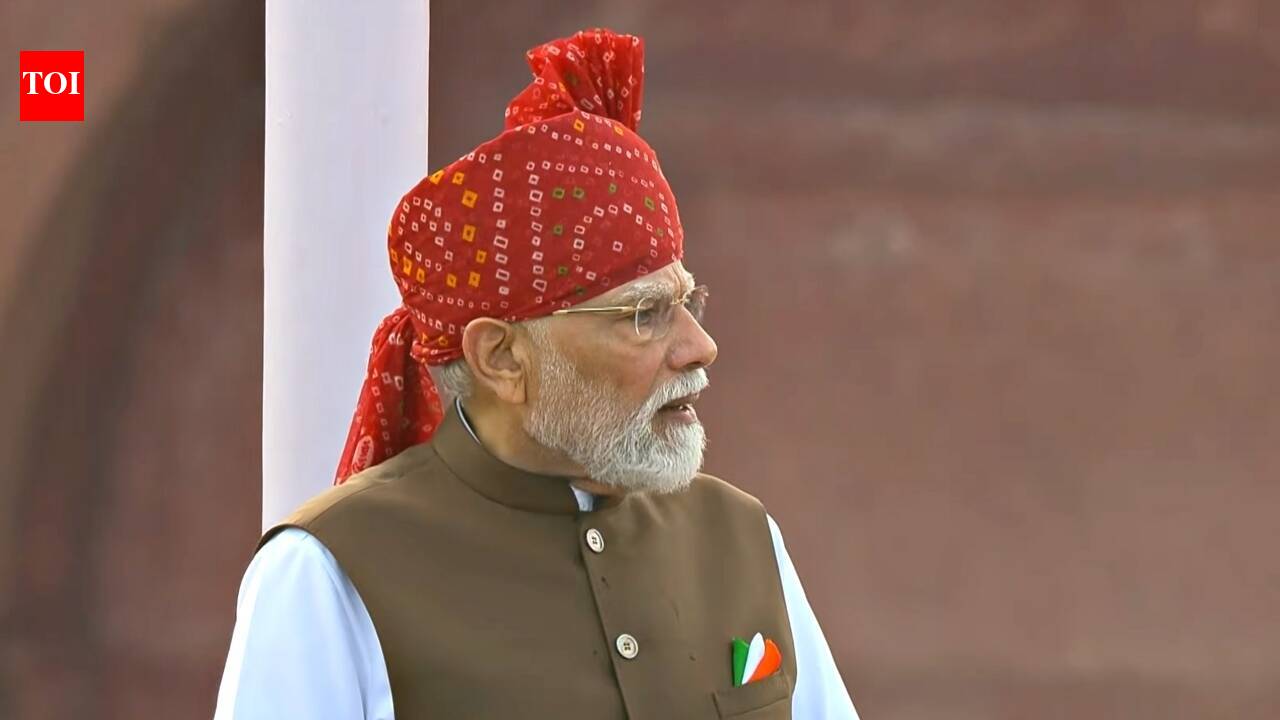
Prime Minister Narendra Modi has announced that India has started production at three semiconductor manufacturing plants, with another seven to eight facilities expected to become operational in the coming years, according to Business-Today. Speaking from the ramparts of the Red Fort during the 80th Independence Day celebrations, Modi said the country's progress in the semiconductor sector reflects its increasing technological self-reliance.
Production begins at three plants
According to Business-Today, production has already begun at three semiconductor plants, and exports from these facilities are already underway. The government has approved 12 semiconductor projects involving investment commitments of more than Rs 1.64 lakh crore. Of those, three manufacturing facilities are already in commercial production.
Modi said that although semiconductors had been a subject of discussion in India for many years, the country previously lacked large-scale chip manufacturing capabilities. Highlighting the strategic significance of semiconductors, the Prime Minister said the government had taken determined steps to build domestic capabilities in the sector, as reported by Business-Today.
The Semicon 2.0 financial outlay
India has launched the second phase of its semiconductor mission with a financial outlay exceeding Rs 1.27 lakh crore, significantly expanding its efforts to build a domestic semiconductor ecosystem, according to Business-Today. The first phase, Semicon 1.0, was launched with an allocation of Rs 76,000 crore. This has now been followed by Semicon 2.0, which has received Union Cabinet approval with a much larger outlay of Rs 1,27,500 crore.
| Program | Outlay | Status |
|---|---|---|
| Semicon 1.0 | Rs 76,000 crore | Launched |
| Semicon 2.0 | Rs 1,27,500 crore | Union Cabinet approved |
Seven to eight more plants on the horizon
Looking ahead, PM Modi said an additional seven to eight semiconductor plants are expected to be established over the next seven to eight years, further advancing India's journey towards Aatmanirbhar Bharat and Viksit Bharat, according to Business-Today. He added that exports from the three operating facilities are also underway.
Modi noted that semiconductor chips have become indispensable across sectors ranging from electronics and healthcare to transportation and nearly every aspect of modern technology. For enterprise technology decision-makers and supply chain technology managers, the expansion of domestic chip production is positioned by the government as a foundational step for industries that depend on semiconductors, although Business-Today's report focuses on manufacturing capacity and does not detail downstream enterprise applications.
Sources: