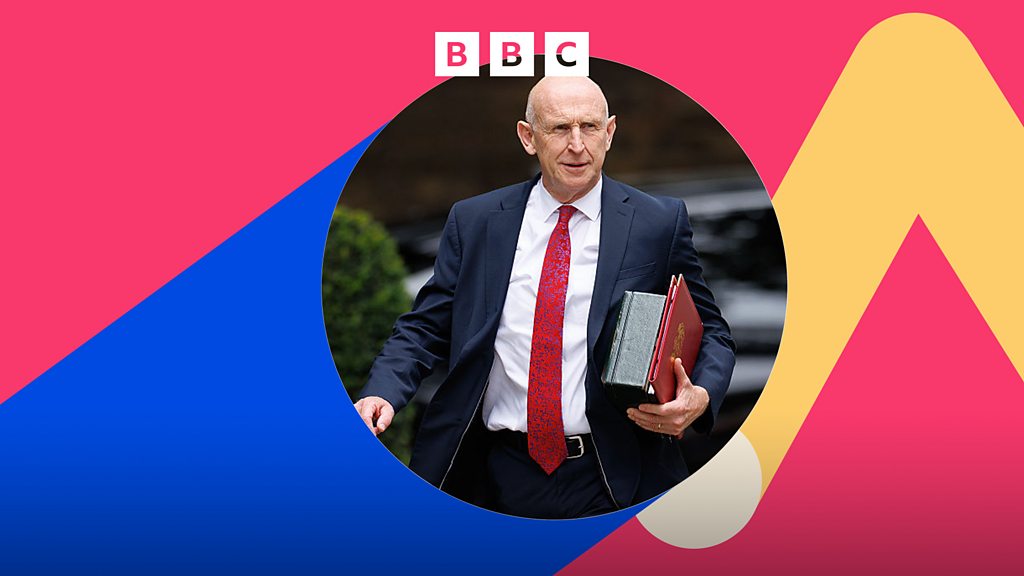
The UK's new Chancellor of the Exchequer, John Healey, has moved quickly to announce a series of economic measures, according to BBC's Money Box programme. The episode, broadcast on 25 July 2026, comes after the appointment of a new Prime Minister and Chancellor. Among the key announcements: a cut to VAT on household energy bills from October, a cap on bus fares in England from January, and a 20% cut to business rates for pubs, clubs and live music venues in England starting in April.
New Chancellor's Policy Blitz
Presenter Paul Lewis and reporter Dan Whitworth outlined the raft of changes. The most immediate impact for households is the reduction in VAT on energy bills, set to begin in October. A bus fare cap in England will follow in January, though the specific cap level was not detailed. For businesses in the hospitality and entertainment sectors, the 20% business rates cut from April provides a targeted relief.
| Policy | Sector | Effective Date |
|---|---|---|
| VAT cut on household energy bills | Energy | October 2026 |
| Bus fare cap (England) | Transport | January 2027 |
| 20% business rates cut (pubs, clubs, live music venues in England) | Hospitality/Entertainment | April 2027 |
The programme also noted the unresolved issue of the frozen personal tax threshold, which was a major concern during Andy Burnham's campaign in his new constituency of Makerfield. The implications for household finances remain a live topic.
Water Poverty Study
Nearly two million households in England and Wales are living in water poverty, according to a new study seen exclusively by Money Box. The technical definition is when people spend more than 5% of their income after housing costs on water bills. In practice, this means being unable to afford water and falling into debt with water companies. The study was commissioned by the Consumer Council for Water, which provided the figures. The programme interviewed representatives to discuss the scale of the problem.
Inheritance Gift Trends
A survey by financial advisors The Private Office found that more than 8 in 10 of its clients aged over 45 believe parents and grandparents should help younger generations during their lifetime rather than leave an inheritance after death. This shift in attitude towards lifetime gifts has implications for inheritance tax planning and wealth transfer strategies. The programme explored the rules around gifts and inheritance tax in this context.
For executives and investors, the policy announcements signal a clear direction from the new government: immediate cost-of-living relief for households and targeted support for the hospitality sector. Water companies may face increased scrutiny over affordability, while wealth managers and financial advisors could see growing demand for lifetime gift planning services.
Sources: