Four years into the cost-of-living crisis, a record 7.4 million UK households — 62% of low-income families — have been unable to afford an essential item in the past six months, according to anti-poverty charity the Joseph Rowntree Foundation (JRF). That figure has risen from 7.1 million a year ago, the charity found. Almost half of those surveyed reported skipping a meal or cutting portion sizes to save money.
Consumer spending under pressure
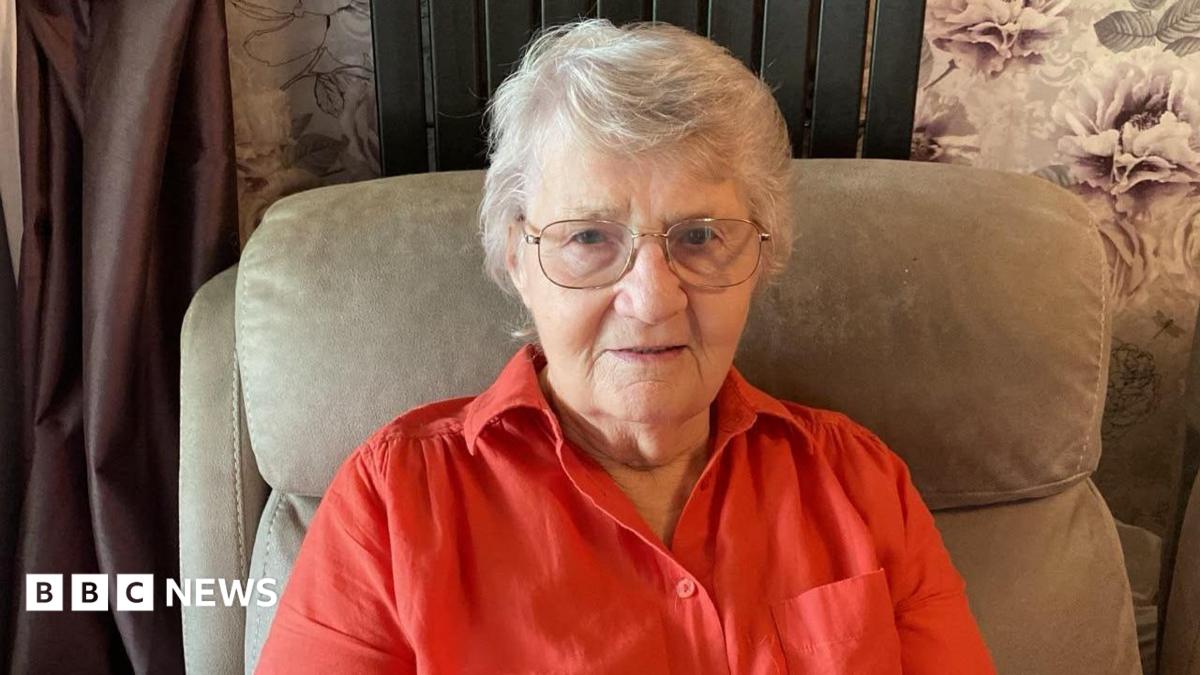
The sustained squeeze on household finances has broad implications for sectors reliant on discretionary spending, particularly food retail, energy suppliers, and apparel. For many low-income families, buying clothes has become an unaffordable luxury. Elaine Yates, 77, a widow living alone in rural Northamptonshire, told the BBC she "can't remember" the last time she treated herself to new clothes. She often sits outside shops while friends shop because she cannot afford to enter.
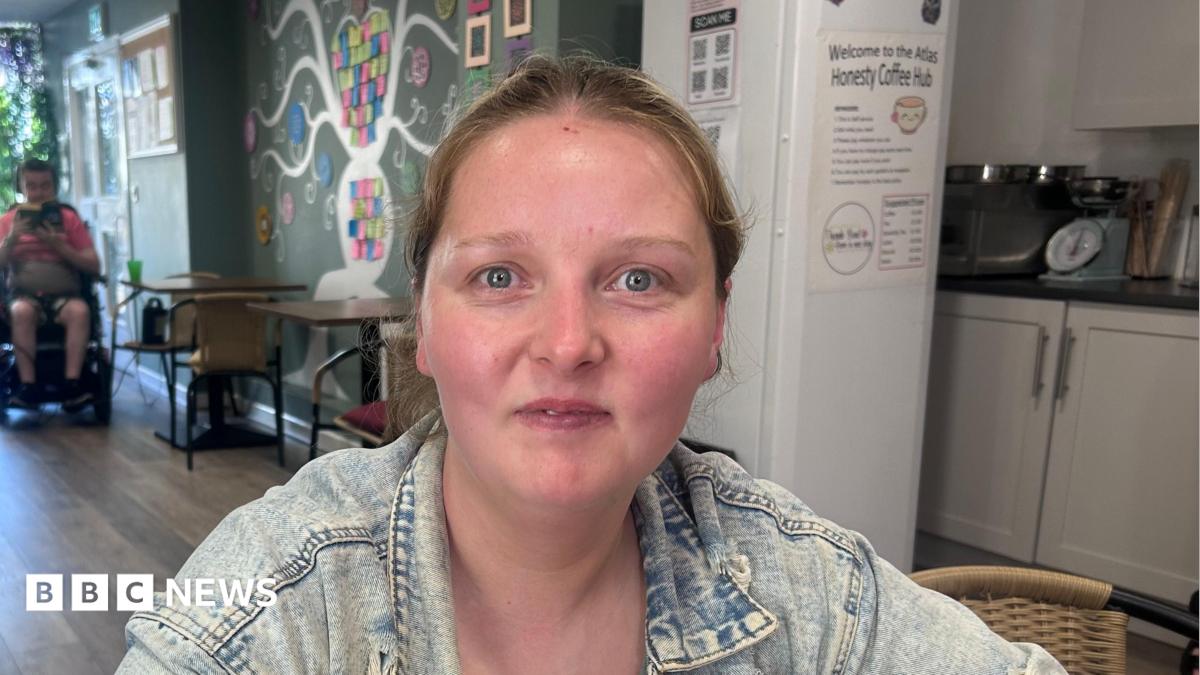
The pressure is also altering how families eat. Yates said she had "got an air fryer that I probably used about three weeks ago" and typically subsists on toast and cereal. Zoe Hayden, 35, a single parent and plumbing apprentice in North Oxford, said she spent £45 on basic groceries without filling two shopping bags, adding that prices for staple items had increased by 50p to 75p each. "You're not living your best life, you're just about surviving," she said.
Energy and fuel costs
Fuel poverty remains acute. Yates, who needs a car for essential travel because of arthritis, spends roughly £50 per week on petrol — more than her food bill. She keeps her thermostat at a low 13°C in winter and rarely turns on the heating. Caroline Abrahams, charity director at Age UK, said older people "worry hugely about the cost of fuel and often ration their heating, putting their health at risk."
| Metric | 2025 | 2026 | Change |
|---|---|---|---|
| Low-income households unable to afford essentials | 7.1m | 7.4m | +300,000 |
| Share of low-income families affected | 60% | 62% | +2pp |
| Households skipping meals / cutting portions | Not specified | ~50% | — |
| Source: Joseph Rowntree Foundation, as reported by BBC |
Policy response and next steps
Prime Minister Andy Burnham, newly appointed, has promised to "give people some breathing space, help with the cost of living" and announced a plan to cut VAT on electricity bills from October. Charities have welcomed the move but want more. Age UK is urging the government to increase the value of the Warm Home Discount and extend it to all low-income households. Hayden hopes the government will also fund free or affordable children's activities such as youth clubs and holiday schemes.
Implications for businesses
For companies serving the UK consumer market — especially supermarkets, energy retailers, and clothing brands — the persistent erosion of purchasing power among low-income households signals continued pressure on sales volumes and margins. The JRF data suggest that demand for discount and own-brand products will remain elevated, while energy suppliers may see rising arrears. Retailers that rely on discretionary spending, such as apparel and home goods, face a prolonged environment of suppressed demand at the budget end of the market.
The next milestone is October 2026, when the VAT cut on electricity bills is scheduled to take effect. Businesses will be watching to see whether further fiscal measures are introduced to stimulate consumer spending and alleviate the strain on the most vulnerable households.
Sources: