Tata Sons, the holding company of the salt-to-software conglomerate, posted a 22% jump in net profit to ₹31,961 crore for the fiscal year ended March 2026, according to its latest financial results. The profit was lifted primarily by a ₹6,531 crore gain from the listing of Tata Capital, India's fourth-largest IPO, compared to a negligible ₹72 crore in FY25. Revenue, comprising dividend income and brand royalty fees, rose 9% to ₹42,367 crore. However, dividend income fell 10% to ₹32,528 crore, largely due to a lower payout from TCS, while royalty fees from operating companies for using the Tata trademark increased 23% to ₹2,294 crore.
Losses in New Ventures Mount
Despite the strong headline numbers, losses across several new ventures widened sharply, reaching a combined ₹28,918 crore according to the source. Air India remained the biggest drag, with losses more than doubling to ₹22,238 crore. Tata Digital, which operates the super app Tata Neu and BigBasket, saw losses increase to ₹4,974 crore from ₹4,610 crore in FY25. Losses at Tata Electronics ballooned to ₹1,611 crore from just ₹70 crore, while Agratas recorded a loss of ₹1,101 crore, up from ₹741 crore.
| Venture | FY26 Loss (₹ crore) | FY25 Loss (₹ crore) | Change |
|---|---|---|---|
| Air India | 22,238 | ~11,000 (implied) | More than doubled |
| Tata Digital | 4,974 | 4,610 | +7.9% |
| Tata Electronics | 1,611 | 70 | +2,201% |
| Agratas | 1,101 | 741 | +48.6% |
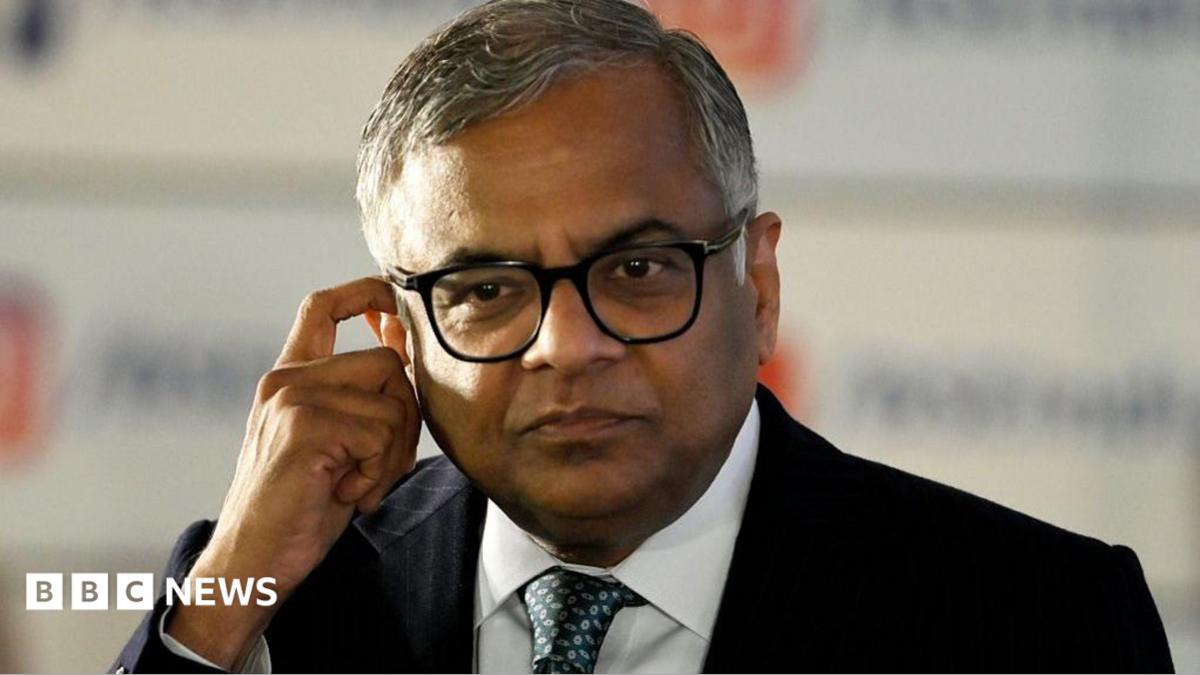
Chairman N Chandrasekaran acknowledged the challenges, calling FY26 "Air India's most challenging year," citing airspace closures, fuel price hikes driven by the West Asia conflict, and the AI171 crash. He described the airline's turnaround as a "five- to ten-year journey." On Tata Digital, he said BigBasket was adapting to the rapid shift towards quick commerce, while Tata Neu would target a 10x increase in payments users and expand into lending and insurance. On Tata Electronics, he noted operating profits had achieved breakeven, adding, "Chips are the new steel." The group's investments in semiconductors, energy transition, aviation, and defence manufacturing are targeted at making "generational impact."
Dividend and AGM
The board declared a dividend of ₹1.1 lakh per share, up 70% from ₹64,900 in FY25. The two main charitable trusts, Sir Dorabji Tata Trust and Sir Ratan Tata Trust, will earn ₹1,252 crore and ₹1,054 crore respectively in dividend income. Noel Tata, chairman of promoter Tata Trusts and holder of 4,060 shares, will receive ₹45 crore.
The upcoming annual general meeting (AGM) on August 18 will be a pivotal event. Shareholders will vote on Chandrasekaran's reappointment as a director, as he retires by rotation. Without his directorship, Chandrasekaran cannot continue as chairman until February 2027, when his term ends. The meeting itself faces a potential quorum hurdle: Tata Sons' articles of association require a representative jointly nominated by SDTT and SRTT, a condition that has become difficult after the Maharashtra charity commissioner barred SRTT from holding board meetings.
Executive Compensation and Group Performance
Chandrasekaran's annual compensation remained flat at ₹141 crore in FY26, even as Noel Tata raised concerns over losses at newer ventures. Chandrasekaran, who has led Tata Sons for over nine years, ranks among India's highest-paid professionals.
At the group level, consolidated profit rose 52% to ₹1.7 lakh crore while revenue climbed 8% to ₹16.24 lakh crore in FY26. The strong financial performance underscores the resilience of traditional businesses even as the conglomerate invests heavily in new-age sectors.
The next milestone for investors will be the AGM on August 18, where the vote on Chandrasekaran's directorship will determine his continued leadership. With losses in new ventures still mounting, particularly at Air India, the board's strategic direction and management continuity remain under scrutiny.
Sources: