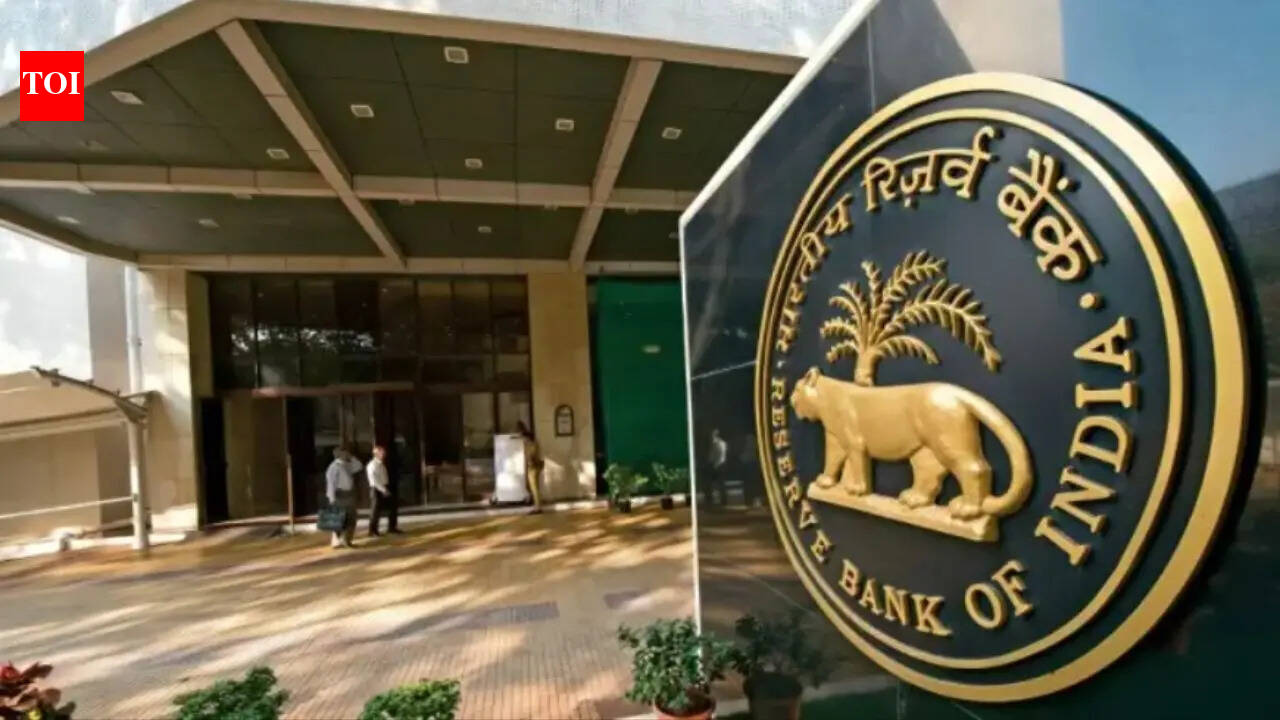
The Reserve Bank of India (RBI) has taken a decisive step by rejecting all bids for 182-day and 364-day treasury bills, while accepting only 91-day bills at a yield of 5.56%. This action, ahead of the monetary policy decision due on Friday, signals the central bank's discomfort with the current trajectory of short-term yields.
Context and Implications
The RBI's decision to reject bids is typically a signal that it finds the yields too high, indicating a preference for softer interest rates. This comes as the Monetary Policy Committee (MPC) convenes to decide on interest rates, with market expectations leaning towards a pause. The yields on government bonds fell following the auction, reflecting market anticipation of a potential rate cut.
Expert Reactions
CS Setty, Chairman of State Bank of India (SBI), speaking at a Citibank conference, emphasized that a pause in interest rates could stabilize economic conditions and support growth. He noted that inflation remains a critical consideration for policymakers, but the broader market sentiment favors maintaining the current rate.
"Investors should focus on India's long-term structural growth rather than short-term movements in equity markets," Setty advised, highlighting India's relative stability amid global uncertainties.
Trade and Business Implications
The rejection of treasury bill bids and potential rate cuts could lower the cost of capital for trade finance, benefiting businesses engaged in international trade. A softer interest rate environment may also enhance export competitiveness by easing currency pressures, as the rupee has been under pressure, contributing to a 40 basis point rise in one-year paper yields this fiscal year.
| Treasury Bill | Yield | Action |
|---|---|---|
| 91-day | 5.56% | Accepted |
| 182-day | N/A | Rejected |
| 364-day | N/A | Rejected |
The spread between 364-day treasury bill yields and the policy rate widened to 78 basis points last week, the highest in four years, indicating a declining market appetite for longer-term securities. This development underscores the importance of the RBI's actions in shaping market expectations and influencing the cost of trade finance.
Conclusion
The RBI's rejection of treasury bill bids is a strategic move to manage short-term yields and signal potential interest rate adjustments. This decision has significant implications for trade finance costs and export competitiveness, as businesses navigate the evolving economic landscape.