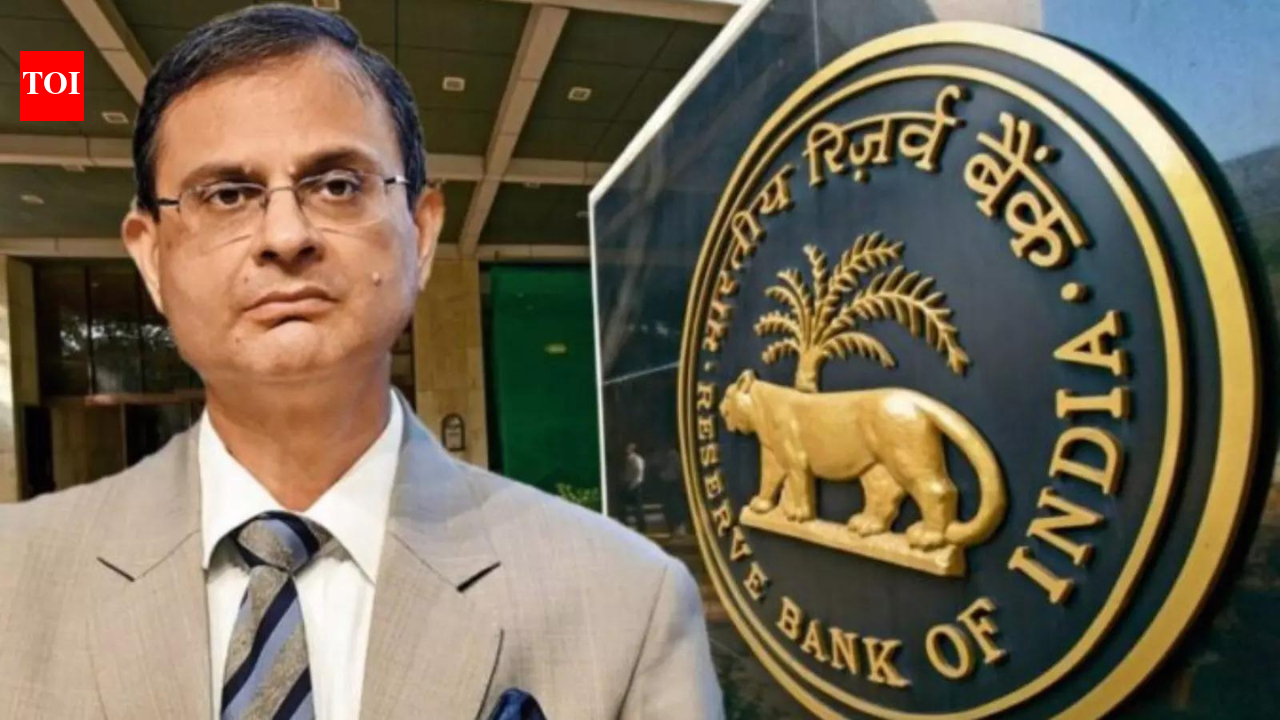
The Reserve Bank of India's (RBI) Monetary Policy Committee (MPC) is anticipated to revise its economic forecasts in light of persistent geopolitical tensions and a significant depreciation of the Indian rupee. The upcoming MPC statement on June 5 is expected to reflect these adjustments, with a potential increase in the inflation forecast to 5% and a reduction in GDP growth projection to 6.5%.
Economic Context and Forecast Adjustments
The ongoing conflict in West Asia, now nearing 100 days, has disrupted global supply chains and contributed to inflationary pressures. The Indian rupee has depreciated over 6% in 2026, marking its worst performance in a decade. This depreciation has raised concerns about export competitiveness and increased the cost of imports, further fueling inflation.
Madan Sabnavis, chief economist at Bank of Baroda, noted, "We do not expect any change in repo rate or stance this time. However, the tone will be cautious, leaning towards being hawkish."
Expert Reactions
The State Bank of India's (SBI) economic research department has revised its full-year FY27 inflation projection to 5-5.1%, with risks tilted to the upside. May's imported inflation is projected to jump to 7.3%. The full-year FY27 GDP growth rate is now cast at 6.6%, subject to revisions due to ongoing geopolitical uncertainties.
"The RBI should deploy its foreign exchange reserves of around $680 billion in a calibrated manner, combining timely and surprise interventions to check excessive volatility," the SBI report suggests.
Trade and Business Implications
The potential adjustments in inflation and growth forecasts have significant implications for trade finance and international business. A higher inflation forecast could lead to increased borrowing costs, impacting the cost of capital for businesses engaged in international trade. The depreciation of the rupee may also affect hedging costs, as companies seek to mitigate currency risk.
| Indicator | Previous | Revised |
|---|---|---|
| Inflation Forecast | 4.5% | 5% |
| GDP Growth Rate | 6.9% | 6.5% |
The RBI's approach to managing the exchange rate will be closely watched by market participants, as it could influence capital flows and investor sentiment. The central bank's foreign exchange reserves, currently at approximately $680 billion, provide a buffer to manage currency volatility.
In conclusion, the RBI's forthcoming policy adjustments are crucial for businesses and investors navigating the current economic landscape. The central bank's decisions will have far-reaching effects on trade finance costs and the broader economic environment.