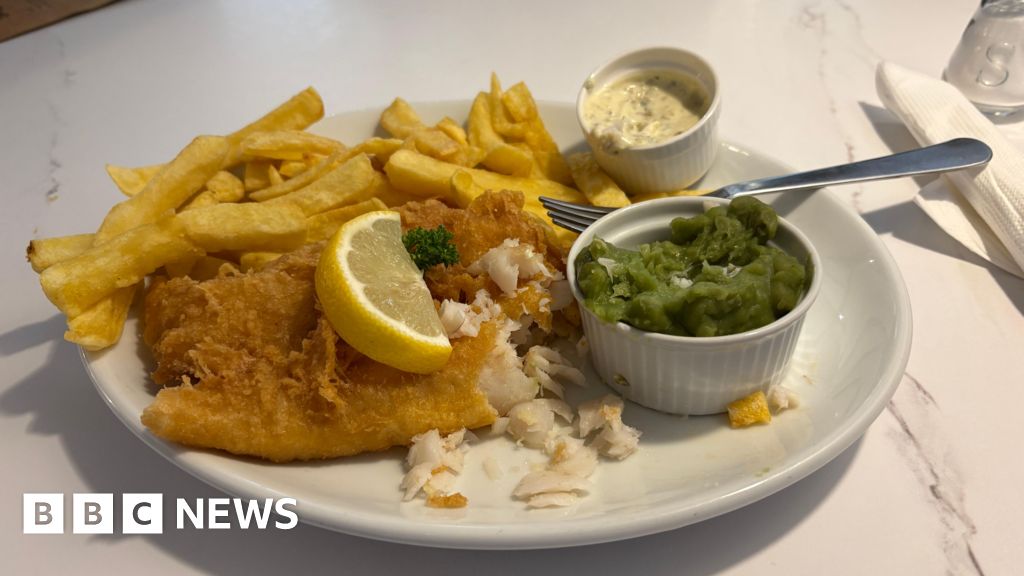
Cod prices have reached new heights, with the cost of a case of cod now at £298 for 18kg, representing a significant increase from the previous year. This surge is primarily driven by stringent fishing quotas in the Atlantic and ongoing geopolitical conflicts affecting supply chains.
Supply Constraints
The Atlantic fishing quotas have been tightened, reducing the available supply of cod. This, coupled with global conflicts, has disrupted traditional supply routes, further exacerbating the scarcity. As a result, fish and chip shops across the UK are facing unprecedented cost pressures.
Demand Dynamics
Despite the price increase, consumer demand for cod remains robust. George Morey, owner of Knight's Fish & Chips in Glastonbury, Somerset, notes that customers are willing to pay a premium for cod, viewing it as a "premium product". This loyalty persists even as shops introduce alternative species like hake and pollock.
"They're religious - fanatical - about it, and willing to pay a premium because that is what cod is, a premium product. It's the white gold," said Morey.
Industry Impact
The rising costs have led to the closure of several smaller fish and chip shops, unable to absorb the increased expenses. Andrew Crook, president of the National Federation of Fish Friers, highlights the challenges faced by these businesses in maintaining profitability amidst rising costs and regulatory pressures.
| Fish Species | Price per Portion |
|---|---|
| Cod | £8.20 |
| Hake | £6.50 |
Outlook
Looking ahead, the industry is bracing for continued volatility in cod prices. The upcoming FAO fisheries report and potential adjustments to fishing quotas will be critical in shaping future supply dynamics. Traders and procurement teams should monitor these developments closely to navigate the challenging market conditions.