
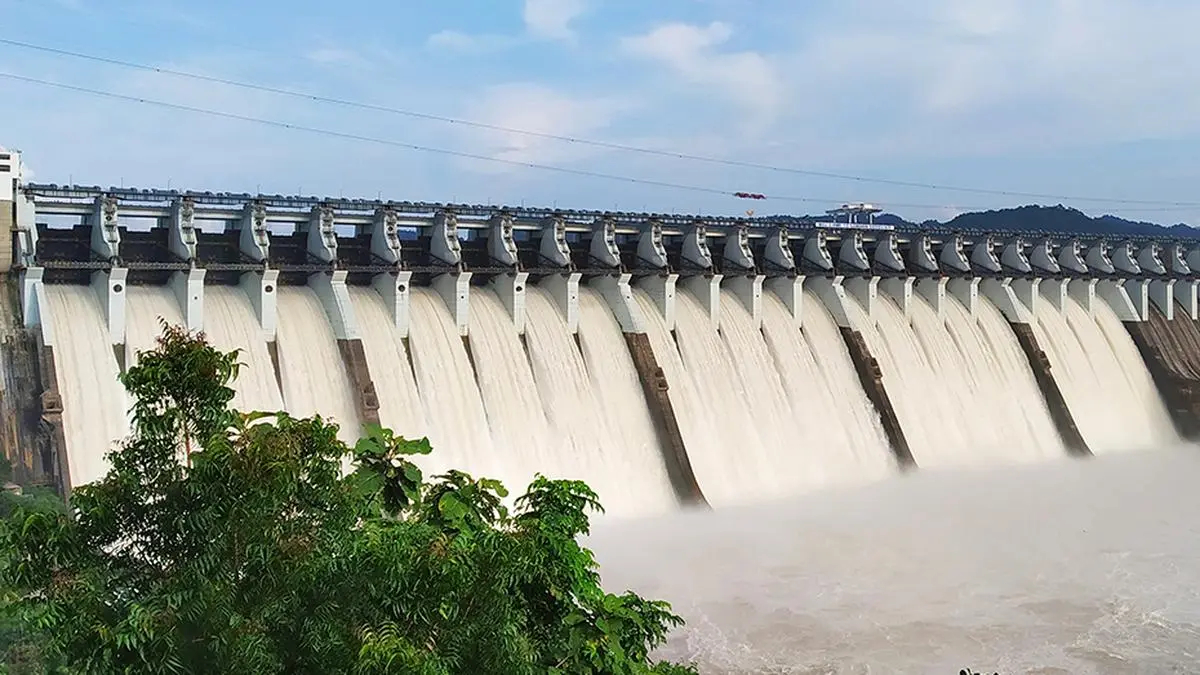
Gujarat has stepped up preparations for a possible El Niño impact during the ongoing monsoon season, expanding the coverage of its Narmada-based water supply network, directing the filling of more than 300 lakes and rolling out contingency crop plans for farmers, according to a report by The Hindu BusinessLine.
Water Supply Expansion
The measures were reviewed at a high-level meeting chaired by Chief Minister Bhupendra Patel in the state capital Gandhinagar on Thursday, amid concerns over the delayed onset of the monsoon and forecasts indicating the possibility of El Niño conditions. As part of the preparedness plan, the state has decided to extend the eligibility for lake-filling under the Narmada pipeline network. While lakes located within a 3-km radius of the pipeline were earlier covered, the limit has now been expanded to 7 km.
The move is expected to bring more than 300 lakes in North Gujarat under the ambit of Narmada water supply through the Sujalam Sufalam initiative. The government has also directed authorities to prioritise filling reservoirs linked to the SAUNI (Saurashtra Narmada Avtaran Irrigation) Yojana to ensure drinking water availability across Saurashtra.
| Parameter | Previous Coverage | Expanded Coverage |
|---|---|---|
| Lake-filling radius from Narmada pipeline | 3 km | 7 km |
| Lakes covered | Limited | More than 300 |
Crop Contingency Planning
Agriculture Minister Jitu Vaghani said various departments, including agriculture, irrigation, water resources, revenue and animal husbandry, have drawn up coordinated plans to mitigate the impact of any rainfall shortfall. The Agriculture Department has prepared a contingency crop planning framework that includes advisories on alternative crops, short-duration varieties and low-water-requirement crops in the event of deficient rainfall.
The state will also use its AI-based Krushi Pragati platform to disseminate weather alerts and crop advisories to more than 50 lakh farmers through mobile messaging, according to the minister.
Supply-Side Readiness
Officials said adequate stocks of seeds and fertilisers for the ongoing Kharif season are available across Gujarat. The government has also asked animal husbandry and forest departments to ensure adequate fodder availability. According to officials, Gujarat currently maintains fodder reserves sufficient for nearly two years.
"Historical rainfall data showed that El Niño years do not necessarily translate into drought conditions in Gujarat. The state witnessed above-normal rainfall in 2006 and 2023 despite severe El Niño events," said Minister Jitu Vaghani.
Implications for Agricultural Commodities
Gujarat is a major producer of key agricultural commodities such as cotton, groundnuts, and pulses. The state's proactive measures — including expanded water coverage, contingency cropping, and fodder reserves — could help stabilise supply in case of a weak monsoon. Traders and procurement teams will monitor monsoon progress and government advisories closely, as any shortfall in Gujarat's output would impact national inventories and prices. The availability of seeds and fertilisers for the Kharif season, coupled with AI-enabled farmer outreach, suggests the state is better positioned to handle El Niño-related risks compared to previous drought years.
Sources:


