
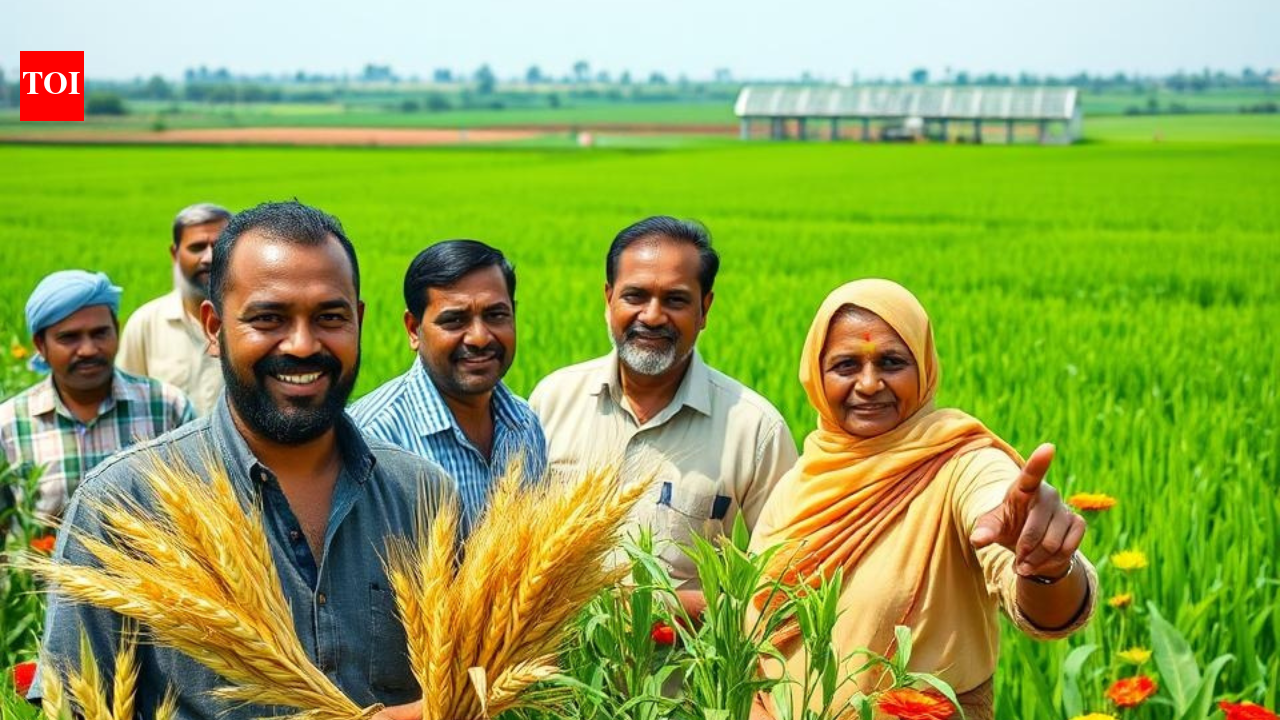
India's foodgrain production surged to a record 357.7 million tonnes in the 2024-25 crop year, according to a government paper titled Empowering India's Annadatas released this month. The milestone marks a 35% increase from 265 million tonnes in 2013-14, signalling a structural shift in the country's agricultural output that is reshaping global trade flows in rice, wheat, and oilseeds.
Record production across key commodities
Rice production reached an all-time high of 150.18 million tonnes in 2024-25, cementing India's position as the world's largest rice producer, the report states. Wheat output also hit a record 117.94 million tonnes, while maize production nearly doubled over the decade to 43.4 million tonnes. The government attributes this growth to schemes such as the National Food Security and Nutrition Mission, which promotes improved seeds and scientific farming.
| Commodity | 2013-14 (million tonnes) | 2024-25 (million tonnes) | Change |
|---|---|---|---|
| Total foodgrains | 265.0 | 357.7 | +35% |
| Rice | — | 150.18 (record) | — |
| Wheat | — | 117.94 (record) | — |
| Maize | — | 43.4 | ~2x |
Oilseeds production rose from 27.5 million tonnes in 2014-15 to nearly 43 million tonnes in 2024-25. Horticulture output expanded from 280.7 million tonnes in 2013-14 to 369 million tonnes in 2024-25, reflecting a shift towards higher-value crops.
Trade implications: exports and import substitution
The production surge has direct consequences for international trade. As the world's top rice producer, India's exportable surplus is likely to remain substantial, influencing global rice prices and trade routes. The wheat record also bolsters India's potential as an exporter, though domestic consumption and buffer stock requirements will factor into export decisions.
In oilseeds, the 56% increase over a decade has helped reduce India's dependence on imported edible oils, though the report acknowledges the country still imports a significant portion of its requirements. For importers of Indian palm oil, soybean oil, and sunflower oil, the gradual narrowing of the domestic supply gap could alter sourcing strategies over the medium term.
Horticulture growth creates new export opportunities in fruits, vegetables, and processed products, a segment where India has been expanding market access in the Middle East, Southeast Asia, and Europe.
Policy drivers behind the transformation
The report highlights that budgetary allocation for the Department of Agriculture and Farmers Welfare has risen from Rs 27,663 crore in 2013-14 to over Rs 1.4 lakh crore in 2026-27. Agriculture and allied activities now account for nearly 18% of India's Gross Value Added, with sector GVA more than doubling from Rs 20.9 lakh crore in 2014-15 to Rs 48.7 lakh crore in 2023-24.
Procurement operations backed by Minimum Support Prices (MSP) have been central to price support and food security. Expanded crop insurance coverage, increased institutional credit, and investments in irrigation are reducing monsoon dependence.
Implications for trade executives and policy analysts
For international buyers of agricultural commodities, India's sustained output growth means more reliable supply from a major producer. Freight forwarders exporting from Indian ports—particularly Mundra, Kandla, and Kakinada—may see steady volumes of rice, wheat, and horticulture products. Customs specialists should monitor any changes in India's export duties or restrictions, as past policies have shifted with domestic price trends.
Trade policy analysts will watch how India's domestic support programs align with WTO commitments, especially as procurement and MSP remain core to the strategy. The report frames the last decade as laying the foundation for a diversified and resilient agricultural ecosystem, but challenges such as climate variability and fragmented landholdings persist.
What to watch
Next key milestones include India's official export policy for the 2025-26 season, any revisions to edible oil import tariffs, and progress under the National Food Security and Nutrition Mission. The government's stance on rice and wheat exports will be particularly closely watched by global commodity markets.
Sources:


