
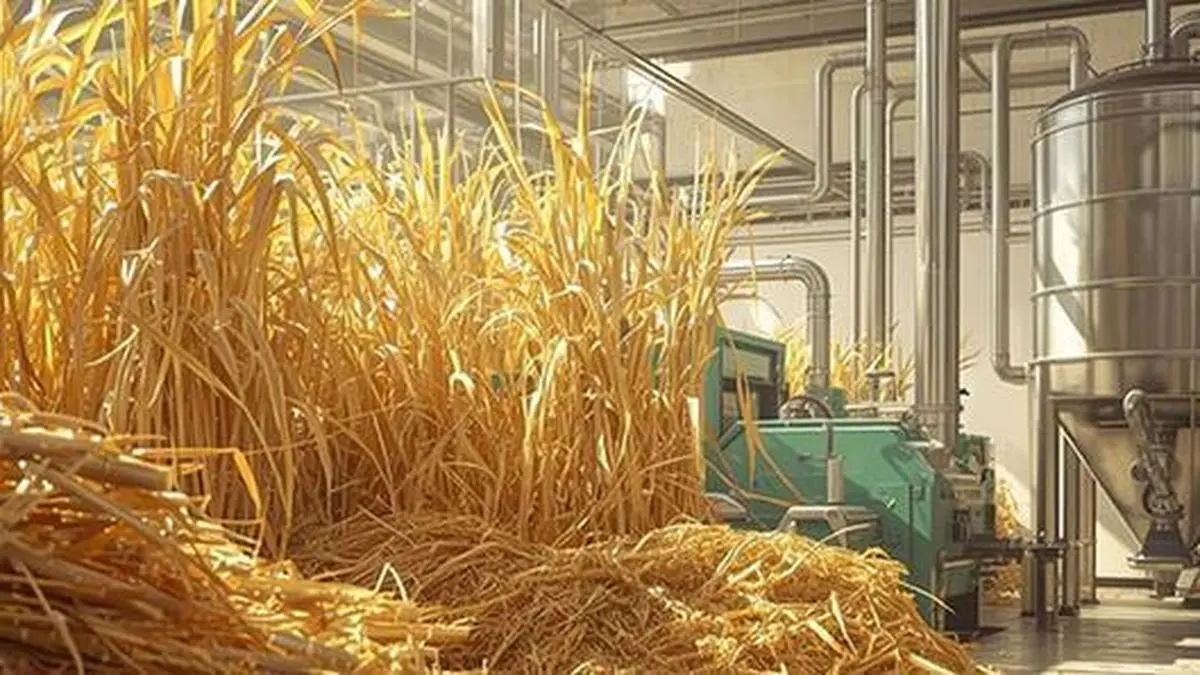
As India's sugar mills prepare for the upcoming 2026-27 crushing season, the focus has evolved beyond boiler pressure and recovery percentages. According to a report by Alok Saxena in The Hindu BusinessLine, mills now manage choices between sugar, ethanol, and power, maximising value from every tonne of cane even before crushing begins. This shift from standalone sugar units to integrated enterprises defines modern season preparedness.
FRP and SAP: The Pricing Baseline
The Fair and Remunerative Price (FRP) for 2026–27 has been set at ₹365 per quintal, a 2.81% increase over the previous year and more than 100% above the estimated production cost of ₹182 per quintal, as reported. For mills in Uttar Pradesh, the more critical benchmark remains the State Advised Price (SAP). In 2025–26, SAP stood at ₹400 per quintal for early maturing varieties and ₹390 for common varieties—₹25-35 higher than the FRP. While the 2026–27 SAP is yet to be announced, mills continue to anchor their procurement planning, working capital arrangements, and payment schedules around SAP. Both FRP and SAP carry a statutory obligation: full payment to farmers within 14 days of cane delivery under the Sugarcane Control Order, 1966.
Treasury and Ethanol Receivables
Treasury planning is equally critical. According to the source, ethanol receivables from Oil Marketing Companies typically arrive within three weeks of dispatch, supporting working capital during peak operations. However, aligning cane payment obligations with ethanol settlement cycles at full-season volumes requires disciplined forecasting rather than reactive management.
Feedstock Flexibility: The Ethanol Shift
India’s ethanol blending programme has crossed 20% in ESY 2025–26, with procurement rising from 38 crore litres in 2013–14 to over 1,200 crore litres today. Notably, sugar mills now contribute only around 30% of this volume through cane juice, syrup, and molasses, while grain-based sources, primarily maize, account for the remaining 70%. Maize’s share alone has grown from 6% in ESY 2022–23 to nearly 50% today. This structural shift means the programme is no longer dependent on the sugar sector alone. Mills operating inefficient distilleries risk losing competitiveness to grain-based producers.
The economics reinforce this reality. Direct cane juice yields 70–80 litres of ethanol per tonne of cane at a notified price of ₹65.61 per litre, whereas C-heavy molasses yields only 22–25 litres at ₹57.97 per litre. Mills equipped with the flexibility to switch between feedstocks in response to sugar inventories and policy signals are better positioned to protect margins. Those without this capability remain exposed to suboptimal returns.
Maintenance Windows and Cogeneration
A successful season is rarely determined on the first day of crushing. It is built during the preparation phase. Shutdown periods represent the most valuable window for readiness. Comprehensive maintenance across boilers, turbines, mill rollers, distillery equipment overhaul, instrumentation calibration, and critical spare verification must be completed before commissioning. The 2025–26 season, where production declined to approximately 27–28 million tonnes against early projections exceeding 30 million tonnes due to weather disruptions, underscores a key lesson: external challenges cannot be controlled, but operational lapses can.
Cogeneration readiness is equally critical. A well-configured high-pressure system can export 80–120 kWh of power per tonne of cane, generating stable revenue through long-term Power Purchase Agreements. However, this value is realised only if systems are fully operational from day one and grid evacuation arrangements are secured in advance.
Implications for Traders and Analysts
For commodity traders and procurement teams, the key takeaways are the FRP increase and the shift in ethanol feedstock. The 2.81% FRP hike provides a floor for sugarcane prices, supporting farmer income but pressuring mill margins. The dominance of maize in ethanol production means sugar mills must invest in flexible distilleries or risk losing market share. The 2025-26 production shortfall highlights weather risk; any similar disruption in 2026-27 could tighten domestic sugar supplies. With SAP in Uttar Pradesh still pending, mills face uncertainty in procurement costs. The season begins before the cane arrives, and those prepared are best positioned to capture value across sugar, ethanol, and power.
Sources:


