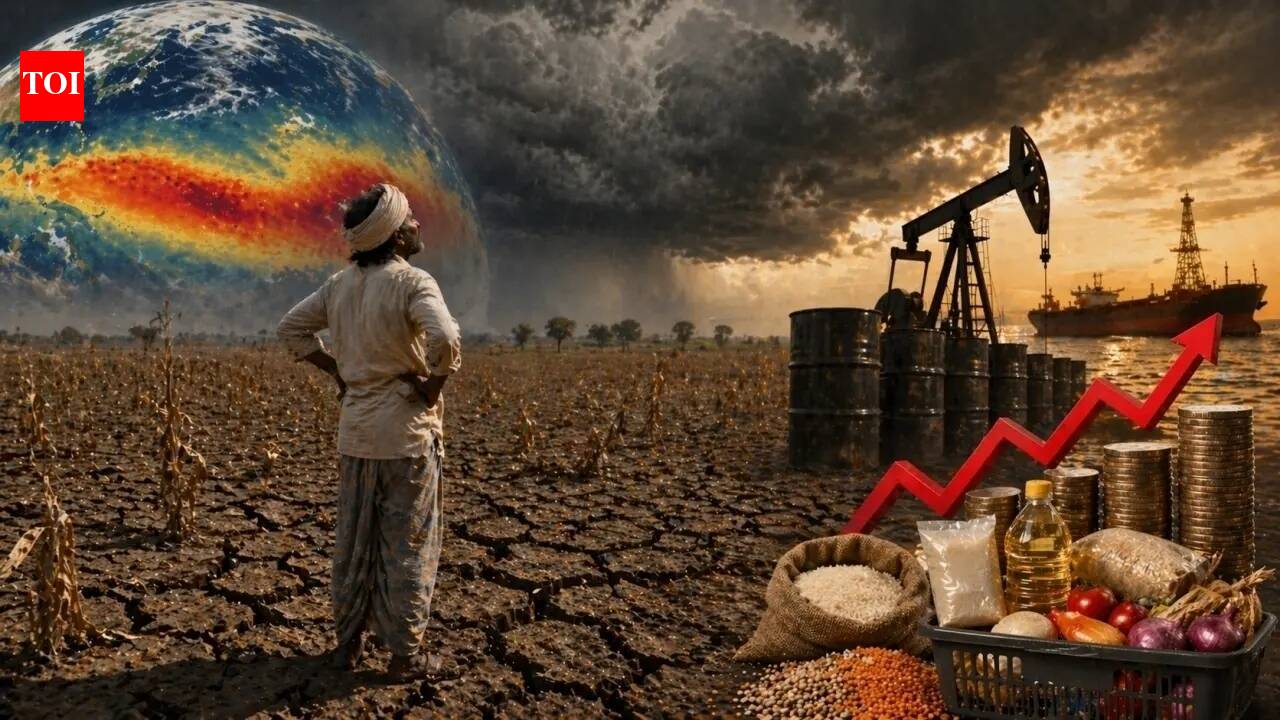
A developing El Nino weather pattern is emerging as a key risk for India's sugar sector, according to industry experts. Stock levels in key reservoirs are similar to or better than last year, but a weak monsoon could still impact sugarcane yields and tighten supplies.
Production Outlook
GK Sood, Advisor to the All India Sugar Trade Association (AISTA), stated that this season's sugarcane production may be in the range of 400–420 million tonnes, compared with 420 million tonnes last year. If rainfall disappoints during the crucial July–August period, output could fall to around 390 million tonnes. "Looking at this year’s sugar balance sheet, even 20 million tonnes is serious," Sood said during a webinar on "Super El Nino, Crops, and the Consumer" organised by AISTA.
| Scenario | Sugarcane Production (million tonnes) |
|---|---|
| Normal monsoon | 400–420 |
| Weak July–August rains | ~390 |
State-Level Water Availability
Reservoir levels in Maharashtra, critical for sugarcane, are broadly similar to 2024, according to Sood. Karnataka has seen a significant recovery following recent rains. Together, Maharashtra and Karnataka account for nearly half of India's sugarcane crop. Uttar Pradesh's reservoirs are also in a better position than two years ago, providing sufficient water for protective irrigation despite some rainfall deficits in eastern parts of the state.
Monsoon and El Nino Forecast
AVM GP Sharma, President (Meteorology and Climate) of Skymet, indicated that early signs point to a weak monsoon in 2026 with possible drought conditions, and seasonal rainfall potentially dropping below 90% of the long-period average. He noted that El Nino events typically last 9–12 months, so the current episode could weaken after the Northern Hemisphere winter and end before next year’s monsoon. However, the following "devolving El Nino" phase can still adversely affect rainfall. "A devolving El Nino is also not a very safe period… but then it is not as harmful as El Nino," Sharma said.
Irrigation and Cost Pressures
Shweta Saini, Founder and CEO of Arcus Policy Research, highlighted that government investments in irrigation and climate-resilient agriculture have boosted assured irrigation coverage from less than 40% to about 55% of India's gross cropped area. However, farmers are facing rising input costs and production challenges, which could push up cultivation expenses and depress yields across both kharif and rabi crops despite infrastructure improvements. Historical trends show that sugarcane and maize are particularly vulnerable to yield losses during El Nino years, while paddy may show limited impact at the national level but can experience significant regional declines.
For commodity traders and analysts, the potential decline in sugarcane output could tighten sugar supplies and influence domestic and international sugar prices. Close monitoring of monsoon progress and reservoir levels in Maharashtra, Karnataka, and Uttar Pradesh will be essential in assessing final production outcomes. The combination of El Nino risk and rising input costs adds complexity to the supply outlook for the 2026–27 season.
Sources: