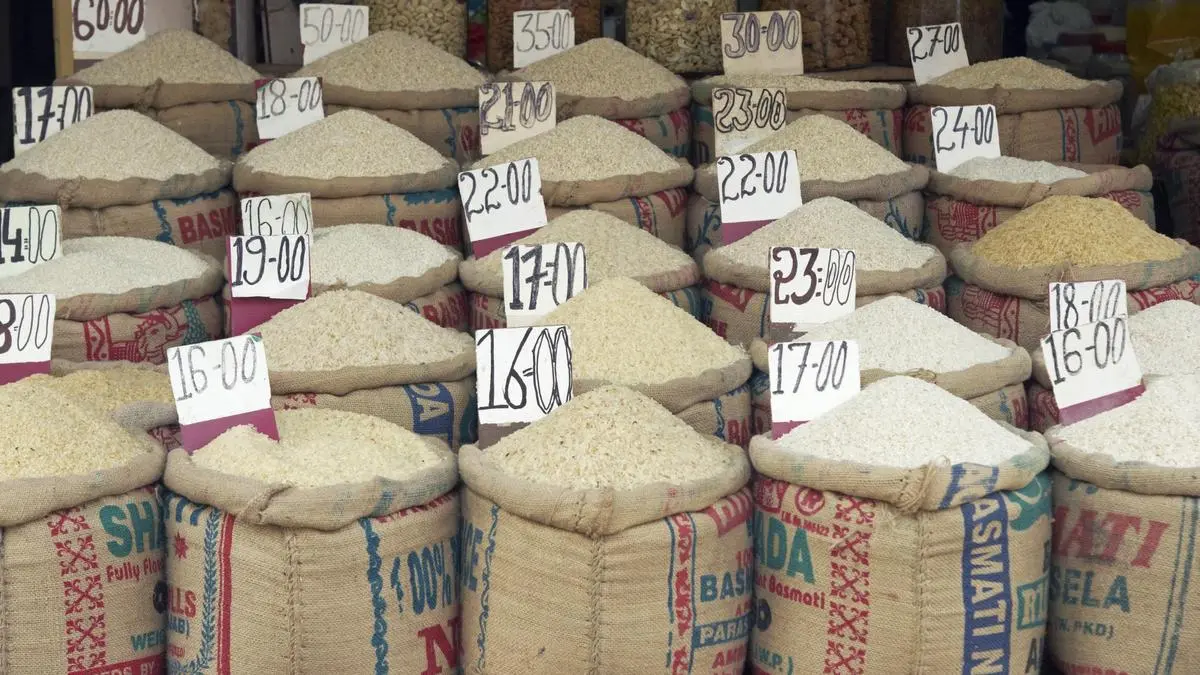
India's foodgrain production in the 2025-26 crop year has surged by 5%, reaching record levels. Rice production alone has hit a new high of 154 million tonnes, solidifying India's position as the top global producer.
Key Drivers of Production Increase
The robust increase in foodgrain production is largely attributed to the Indian government's continuous efforts to enhance agricultural productivity. Agriculture Minister Shivraj Singh Chouhan emphasized the role of the Indian Council of Agricultural Research (ICAR) in developing climate-resilient crop varieties and rain-fed production technologies.
"Under the leadership of Prime Minister Narendra Modi, the government is continuously working towards the prosperity of farmers and the development of the agricultural sector," said Chouhan.
Supply Side Insights
Despite challenges such as a delayed monsoon and the potential impact of El Nino, the production of wheat has also seen a marginal increase. The third advance estimates project wheat production at 120.66 million tonnes, a 2.3% rise from the previous year. However, cotton production is expected to decline by 2.4% to 29.02 million bales.
| Crop | 2025-26 Production | Change from 2024-25 |
|---|---|---|
| Rice | 154.02 mt | +2.6% |
| Wheat | 120.66 mt | +2.3% |
| Cotton | 29.02 million bales | -2.4% |
Demand Side Dynamics
The increased production is expected to stabilize domestic markets and buffer against any potential supply disruptions due to adverse weather conditions. The demand for rice and wheat remains strong both domestically and internationally, supporting price stability.
Price Outlook
Looking ahead, the focus will be on the upcoming monsoon season and its impact on the next crop cycle. The USDA and FAO reports will provide further insights into global demand trends and inventory levels.
The Indian government's proactive measures and the resilience of its agricultural sector are key to maintaining this upward trajectory in foodgrain production.