
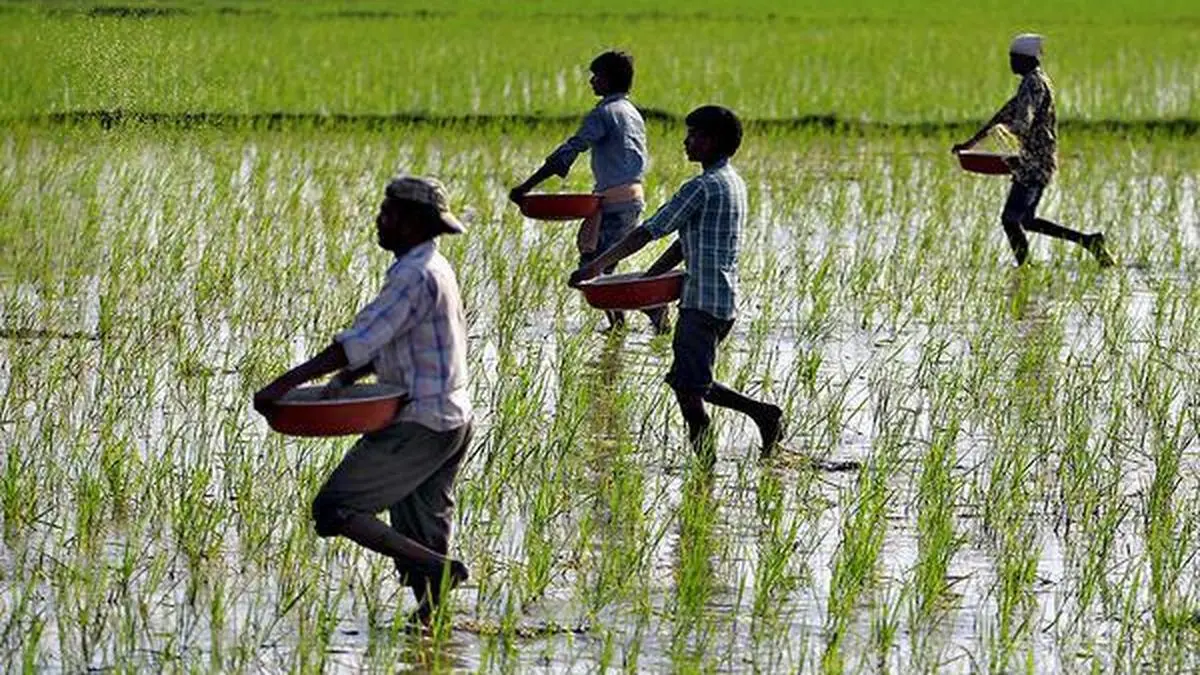
India is currently grappling with a significant fertilizer shortage, which has prompted a national conversation about the transition to natural farming. This shift is seen as a pathway to achieving 'atmanirbharta' or self-reliance in the fertilizer sector, a goal that has been emphasized by the Prime Minister.
Fertilizer Shortage and Its Implications
The shortage of chemical fertilizers is a pressing issue for India's 93 million agriculture-dependent households. With the current fertilizer to grain response ratio at 1:2.7 in irrigated areas, the shortage threatens to compromise yields and lead to crop losses. This situation is particularly dire for small and marginal farmers, who may face food insecurity and loss of livelihoods.
Designing a Supply Management Pathway
To address this crisis, a strategic supply management pathway is essential. The involvement of Community Resource Persons (CRPs) and Bio-Resource Centers (BRCs) is crucial. These entities, along with sub-national governments, can help identify regions most affected by the shortage and prioritize interventions. Leveraging India's extensive knowledge of natural farming practices, albeit fragmented, can support this transition.
Financial Considerations
The financial implications of transitioning to natural farming are substantial. Shifting 40% of agricultural households over six years, with necessary training and infrastructure, is estimated to cost ₹10,848 crore. This figure represents a significant portion of the current National Mission on Natural Farming (NMNF) budget, suggesting that strategic adjustments could facilitate this transition.
"The transition to natural farming is not just an economic necessity but a strategic imperative for India's agricultural future," said a senior government official.
Outlook and Future Steps
Looking ahead, the successful transition to natural farming will require coordinated efforts from government, civil society, and the agricultural community. Upcoming policy announcements and budget allocations will be critical in shaping the future of India's agricultural sector.
| Aspect | Current Situation | Proposed Solution |
|---|---|---|
| Fertilizer Usage | High dependency on chemical fertilizers | Transition to natural farming |
| Financial Outlay | ₹1.91 lakh crores annually on fertilizers | ₹10,848 crore for natural farming transition |
| Impacted Households | 93 million | Targeting 40% for transition |
The path to achieving 'atmanirbharta' in the fertilizer sector is fraught with challenges but holds the promise of a more sustainable and self-reliant agricultural future for India.


