The long summer drought has "decimated" Somerset's famous cider orchards, with many trees producing no fruit at all and others dropping their fruit early to rot before ripening, according to a BBC News report. Producers across the region report harvests at a fraction of normal levels, threatening next year's cider output after two consecutive dry years stressed the trees.
Trees under stress
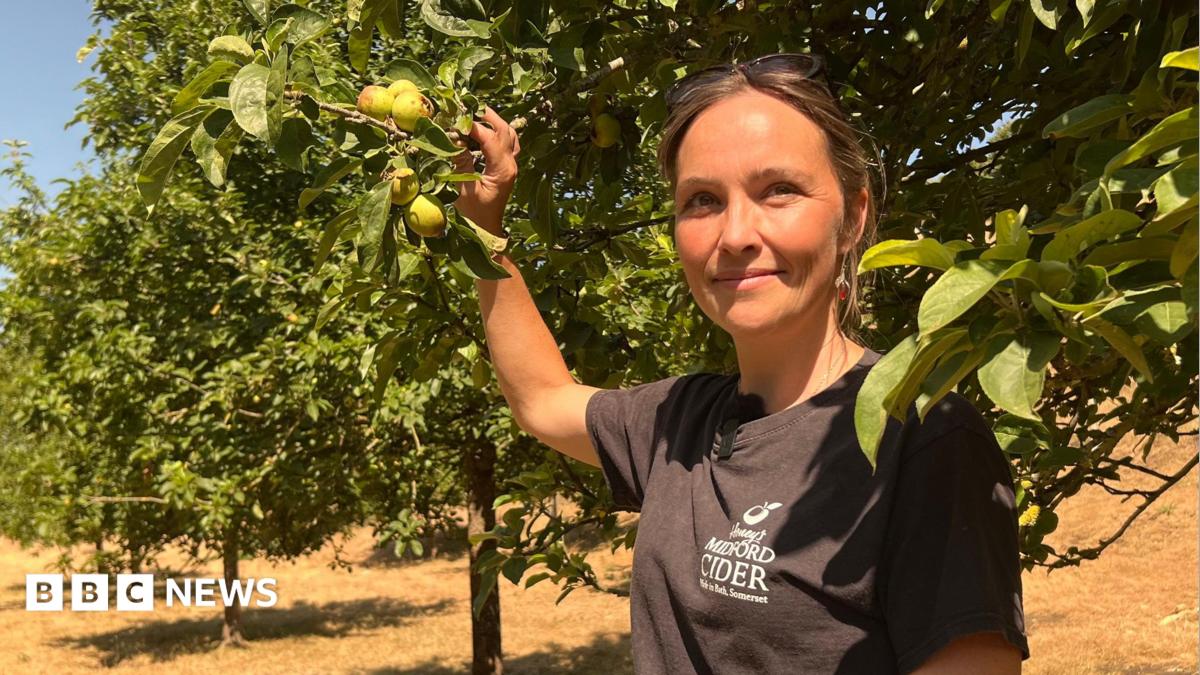
Kimberly Jones of Honey's Cider near Bath said her orchard has produced only a tenth of its normal apple crop. "It's gut-wrenching," she told the BBC. Walking through the 25-year-old orchard just outside Bath, she said "we might get 10% of our normal crop here, and that's generous." Because 2025 was also dry, the trees became stressed, and this year most have not made fruit at all, to save their energy.
Neil MacDonald, who manages more than 1,000 acres of Somerset orchards, said he has watched half his apples fall before they ripened because the trees are stressed by the drought. "Nothing sells cider like sunshine," he said, "and we've emptied our tanks. The sadness is we haven't got enough fruit to refill the tanks again."
"Nothing sells cider like sunshine," said Neil MacDonald, "and we've emptied our tanks. The sadness is we haven't got enough fruit to refill the tanks again."
Harvest numbers at a glance
The extent of the crop failure varies across the region. The table below summarises the figures reported by the BBC:
| Producer / orchard | Normal harvest | This year’s situation |
|---|---|---|
| Honey's Cider (Kimberly Jones), near Bath | 100% of normal | About 10% of normal crop |
| Neil MacDonald's managed orchards (1,000+ acres) | Full crop | Half of apples fell before ripening |
| Rich's Cider (George Scott), near Highbridge | 20–30 tonnes | So little fruit that the harvester will not be used |
| A neighbouring grower supplying Rich's Cider | 200 tonnes | Down to about 30 tonnes |
George Scott, who makes nearly a million litres of cider a year at Rich's Cider, said he would normally harvest 20–30 tonnes of apples from one orchard. "There's so little fruit in here I won't even put the harvester in - the sheep can have any that drop," he said. The family business was started by his grandfather Gordon Rich, who began pressing apples near Highbridge in 1954.
Demand strong while supply shrinks
Ironically, the long hot summer has been "brilliant" for actually selling cider. "Everyone likes a cold cider on a hot day, but we are struggling now to grow fruit for next year," Jones said. Cider makers can keep stock from year to year, and Scott said he has "plenty of cider in the tanks for now", but he worries about the future of his trees.
Unlike the big commercial brands, Honey's Cider is only made from fresh juice. Jones refuses to buy apple concentrate or industrial products, so the company can only make cider from the juice it produces each year. "So we can only make cider from the juice we make each year, which means we will be down this year," she added.
Outlook for next year
Two years of drought have already stressed the trees, and climate scientists are warning farmers to expect more hot dry summers, the BBC reported. "I do worry that next year will show a lot more signs of the drought and the trees will be stressed again. If we get another dry year, I don't know what we're going to do," Scott said.
With tanks already emptied by strong summer demand and orchards producing a fraction of their usual fruit, Somerset's cider makers face the prospect of a significantly reduced 2026 vintage, according to the BBC.
Sources: