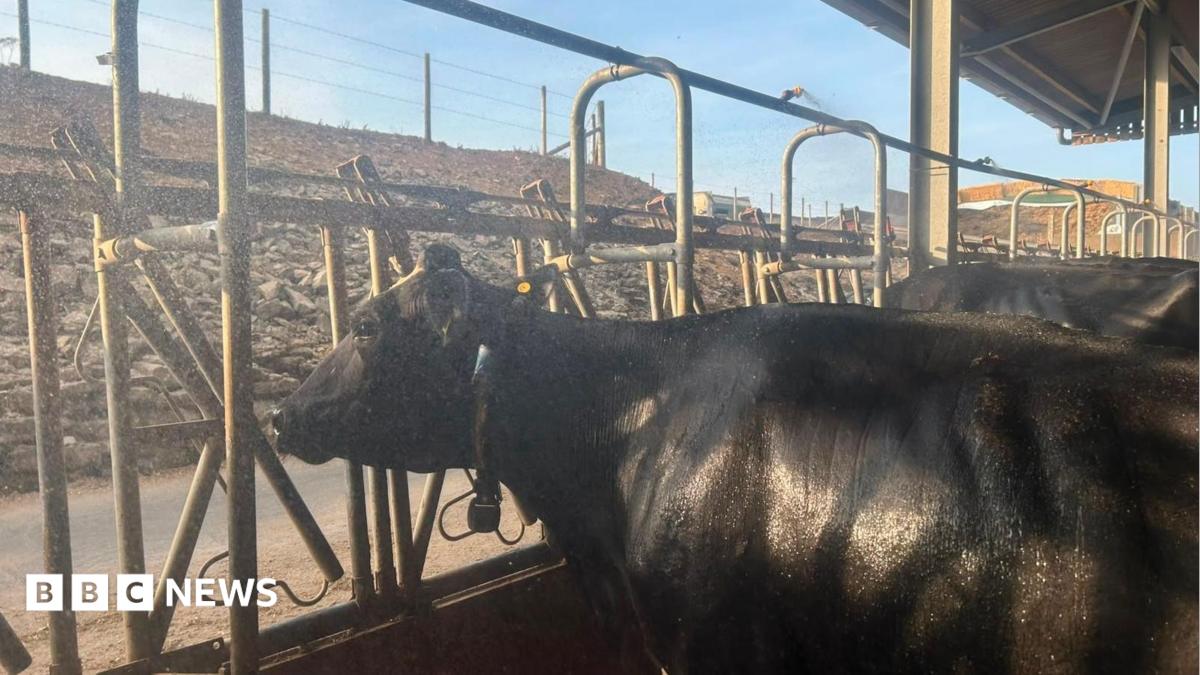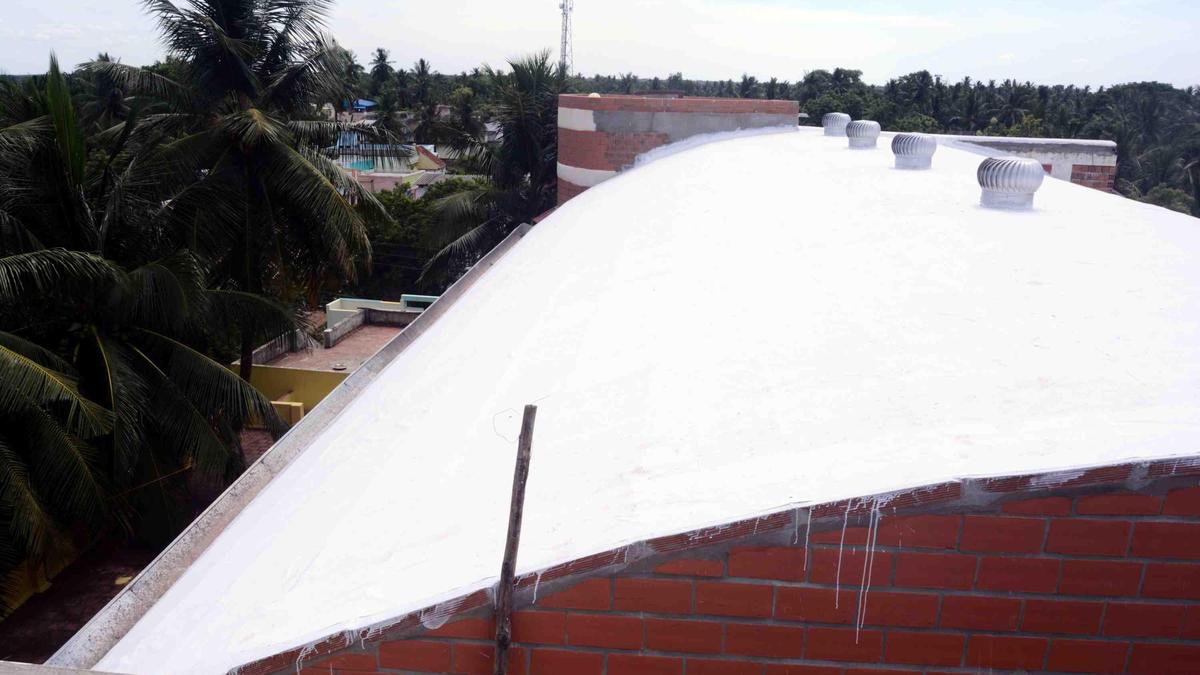
In a bid to combat the adverse effects of climate change on agriculture, ultra-cool roofs are emerging as a transformative solution for rural India. These roofs, designed to reflect solar radiation and emit absorbed heat, can significantly reduce temperatures in agricultural structures, thereby mitigating spoilage and improving productivity.
The Heat Challenge in Indian Agriculture
Agriculture in India is under severe climate stress, with 33.9 million hectares lost to excess rainfall and 35 million hectares to drought between 2015 and 2021. Conventional roofing materials exacerbate this issue by absorbing heat, leading to spoilage and reduced productivity.
The Role of Ultra-Cool Roofs
Ultra-cool roofs offer a practical response through high solar reflectance and thermal emittance. These roofs can lower indoor temperatures without mechanical cooling systems, making them ideal for rural infrastructure.
"Access to better cooling and storage conditions can improve farmer income realisation by 15 to 20 per cent," according to Nabard estimates.
Economic and Environmental Impact
India loses an estimated 30 to 40 per cent of horticultural produce annually to post-harvest spoilage. Ultra-cool roofs can help reduce this loss, offering a scalable solution for smallholder farmers who cannot afford refrigerated infrastructure.
| Factor | Impact on Agriculture |
|---|---|
| Excess Rainfall | 33.9 million hectares lost |
| Drought | 35 million hectares lost |
| Post-Harvest Spoilage | 30-40% of produce lost |
Future Outlook
As climate risks intensify, the adoption of ultra-cool roofs could become a key strategy in building climate-resilient agricultural infrastructure. Upcoming data releases from the USDA and FAO will provide further insights into the potential benefits of this technology.