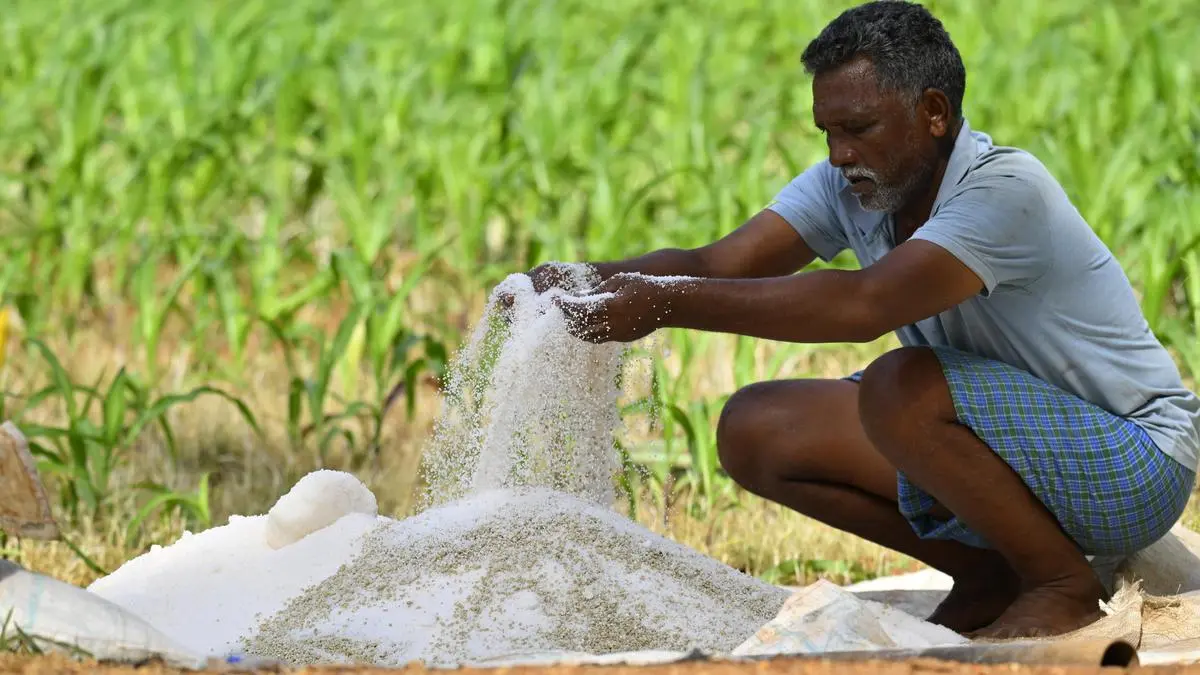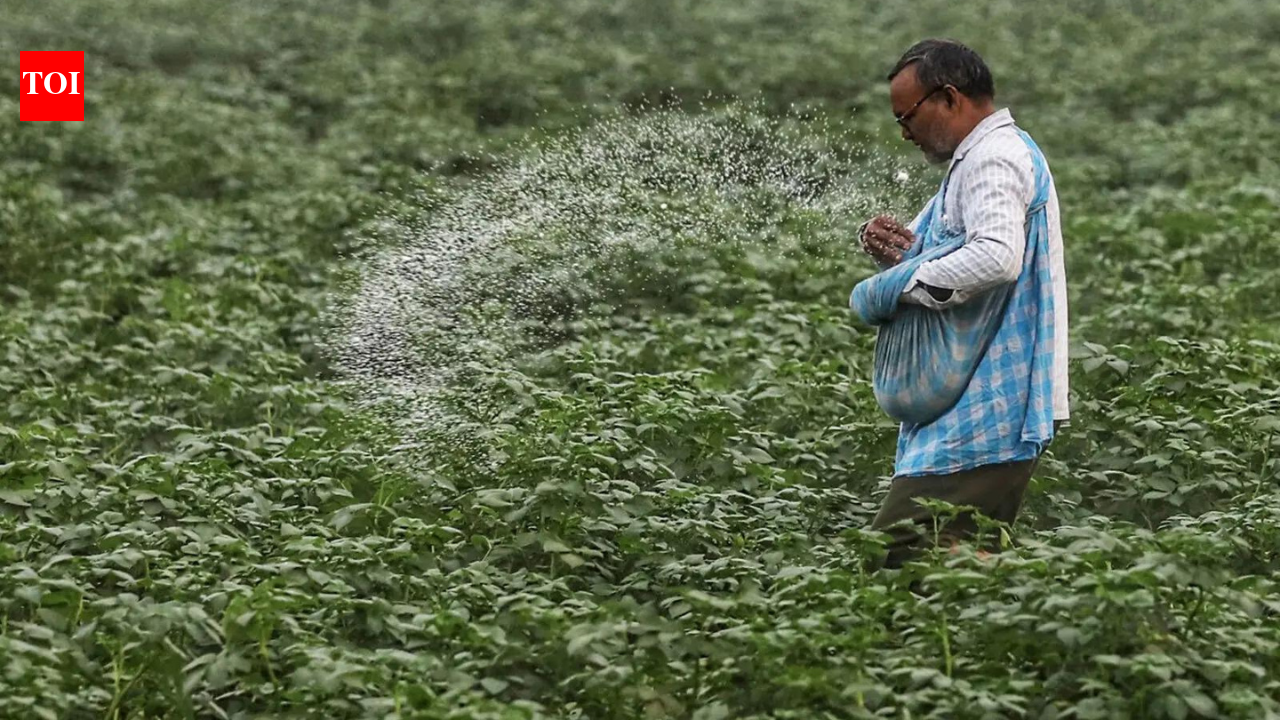
The Centre has drawn up a roadmap to kickstart Green Urea production in India, proposing annual procurement of 7.24 lakh metric tonnes (MT) of Green Ammonia under the National Green Hydrogen Mission (NGHM) as part of efforts to reduce dependence on imported urea and decarbonise fertiliser production, according to a report by ANI.
Green Ammonia Procurement Plan
The Department of Fertilisers (DoF) has issued an Invitation for Expression of Interest (EOI) for setting up Green Urea plants and recently held a high-level pre-EOI meeting at the Projects and Development India Limited (PDIL) headquarters in Noida to discuss the proposed framework with industry stakeholders. The meeting, chaired by K.K. Pathak, Joint Secretary in the Department of Fertilisers and Chairman and Managing Director of PDIL, was attended by representatives from NTPC, Solar Energy Corporation of India (SECI), fertiliser companies, technology providers, and manufacturers of electrolysers, Green Hydrogen and Green Ammonia.
The Ministry of Chemicals and Fertilisers described the initiative as "Marking a monumental shift toward sustainable agriculture, carbon neutrality, and technological self-reliance." Under the proposed roadmap, multiple ministries will support the development of Green Urea production. The Ministry of New and Renewable Energy (MNRE) will provide Rs 19,744 crore in financial support to accelerate green energy infrastructure and strengthen India's clean energy ecosystem.
Incentive and Subsidy Framework
To address the higher cost of Green Ammonia compared with conventional Grey Ammonia, the government has proposed a differential subsidy mechanism. Under the framework, SECI will procure Green Ammonia from producers and supply it to domestic fertiliser manufacturers at market-linked Grey Ammonia prices, while the Department of Fertilisers will bridge the cost difference, ensuring cost parity for companies.
The initiative also provides producer-side incentives under NGHM Green Ammonia Mode 2A. A total procurement target of 7.24 lakh MT of Green Ammonia annually will be allocated through a competitive e-reverse auction conducted by SECI. The incentives will cover both development-stage and operational projects, with benefits beginning from the date of commercial supply and continuing for 10 years under binding agreements, providing long-term certainty to developers.
Pilot Plant and Industry Participation
The meeting highlighted the 150-tonnes-per-day Green Urea pilot plant at Pudimadaka in Andhra Pradesh, being developed by NETRA, the research and development arm of NTPC. The facility integrates water electrolysis with carbon capture and utilisation systems and is expected to serve as a model for future Green Urea projects.
The government said India's Net Zero target for 2070 and the National Green Hydrogen Mission present an opportunity to transform domestic urea production. India continues to import around 1 crore MT of urea every year, while many existing urea plants are more than 30 years old, underscoring the need for significant new production capacity.
Implications for Fertiliser Imports
The roadmap envisages integrated projects combining renewable energy, Green Hydrogen, carbon capture, Green Ammonia and urea production to strengthen India's fertiliser and energy security while advancing the country's climate goals. The annual procurement of 7.24 lakh MT of Green Ammonia, if fully realised, could displace a significant portion of imported urea, reducing India's reliance on global fertiliser markets. For commodity traders and procurement teams, this policy signals a gradual shift in India's urea demand profile, with potential implications for international urea and ammonia price dynamics over the next decade.
Sources: