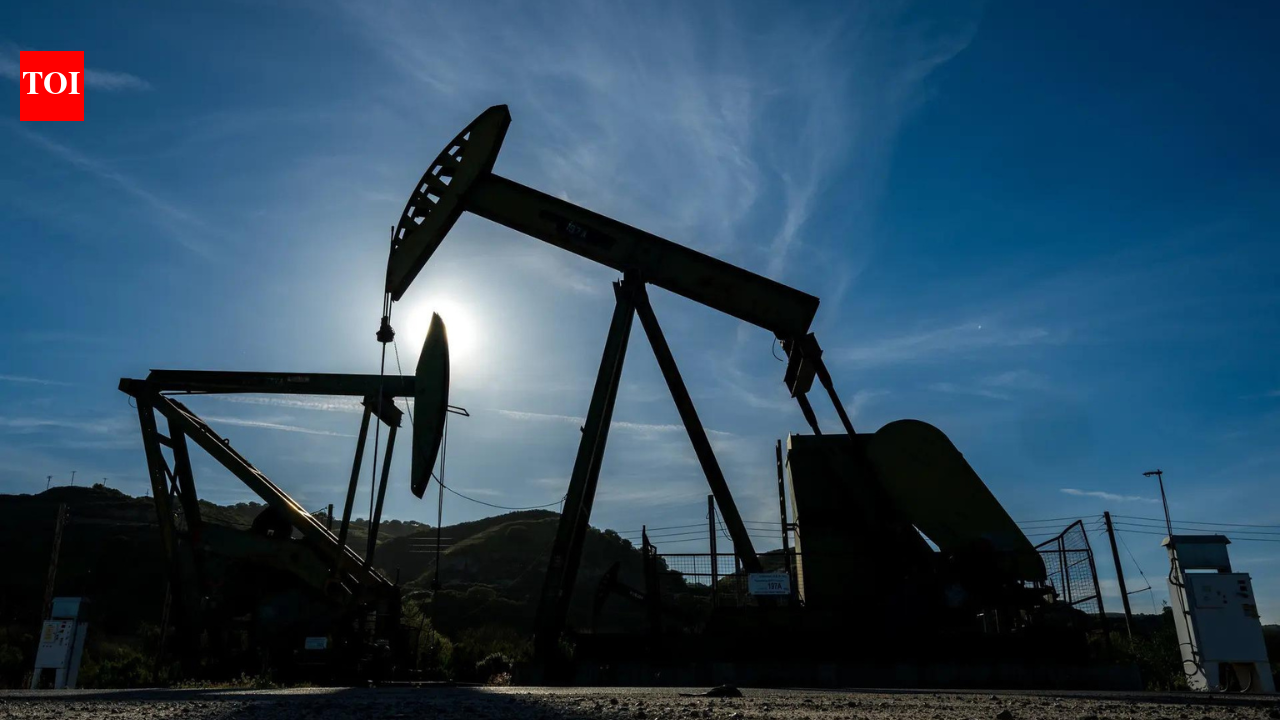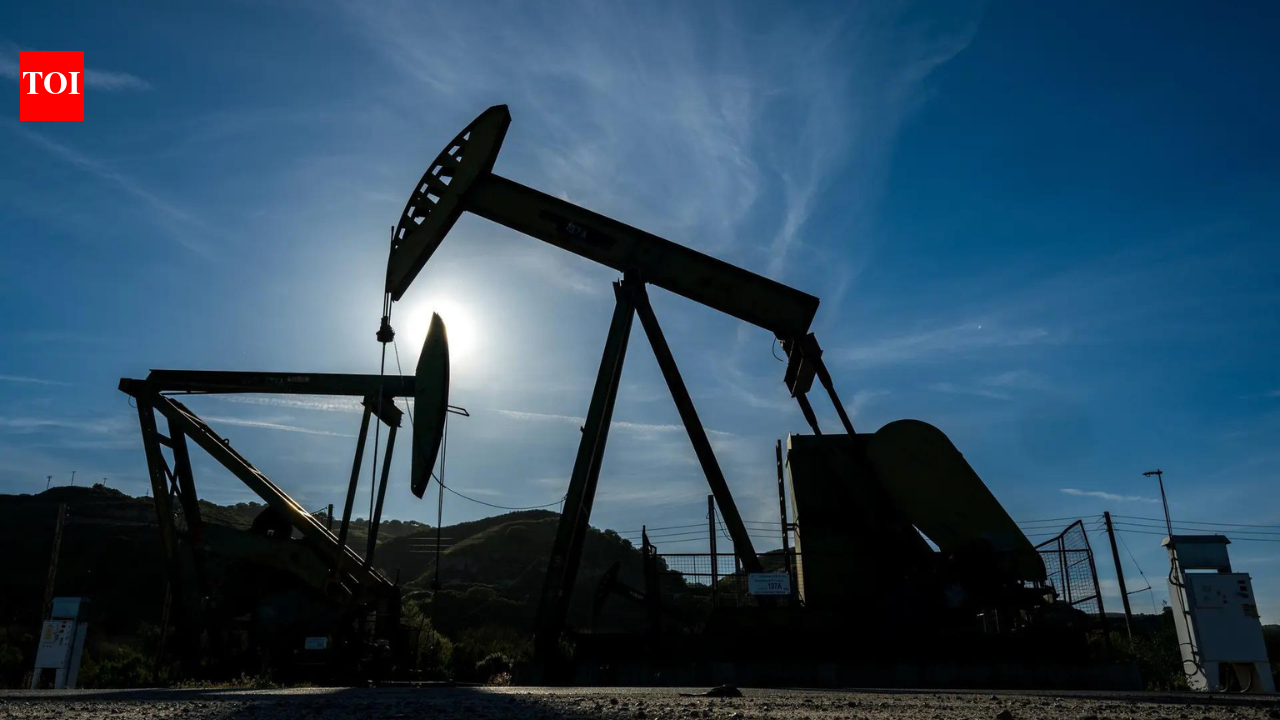
Oil prices experienced a slight decline on Friday, with Brent crude slipping 0.22% to $95.24 a barrel and US West Texas Intermediate (WTI) crude falling 0.11% to $92.94 a barrel. This movement comes as hopes for a ceasefire in the Middle East faded following Hezbollah's rejection of a US-backed proposal in Lebanon.
Geopolitical Tensions and Market Impact
The market remains focused on the ongoing conflict involving Iran, Israel, and the United States, as well as disruptions to shipping through the Strait of Hormuz, a key global energy route. Limited traffic through this waterway has fueled concerns about supply disruptions, pushing prices higher in recent weeks.
Fresh uncertainty emerged after Hezbollah leader Naim Qassem rejected a US-brokered agreement between Israel and the Lebanese government aimed at halting the fighting. Iran has also maintained that a ceasefire in Lebanon is crucial for any broader peace agreement with Washington.
"Any optimism remains heavily clouded by a tangled web of headlines and counter-headlines," said IG market analyst Tony Sycamore.
Supply Side Concerns
Apart from geopolitical tensions, analysts have flagged concerns about declining global oil inventories, which could tighten supplies further and trigger another price spike during the third quarter of the year. OPEC maintained its forecast for global oil demand growth of 1.2 million barrels per day in 2026 despite the ongoing conflict and continued disruptions in the Strait of Hormuz.
| Commodity | Price | Week-over-Week Change | Year-over-Year Change |
|---|---|---|---|
| Brent Crude | $95.24/barrel | +6% | N/A |
| WTI Crude | $92.94/barrel | +6% | N/A |
Demand Side Dynamics
Iran's oil exports have fallen to their lowest level in six years, largely due to the US naval blockade, according to shipping data. However, weaker demand from China has helped limit the impact on global prices. With uncertainty surrounding ceasefire efforts, regional security, and global oil supplies, analysts expect crude prices to remain volatile in the coming weeks.