
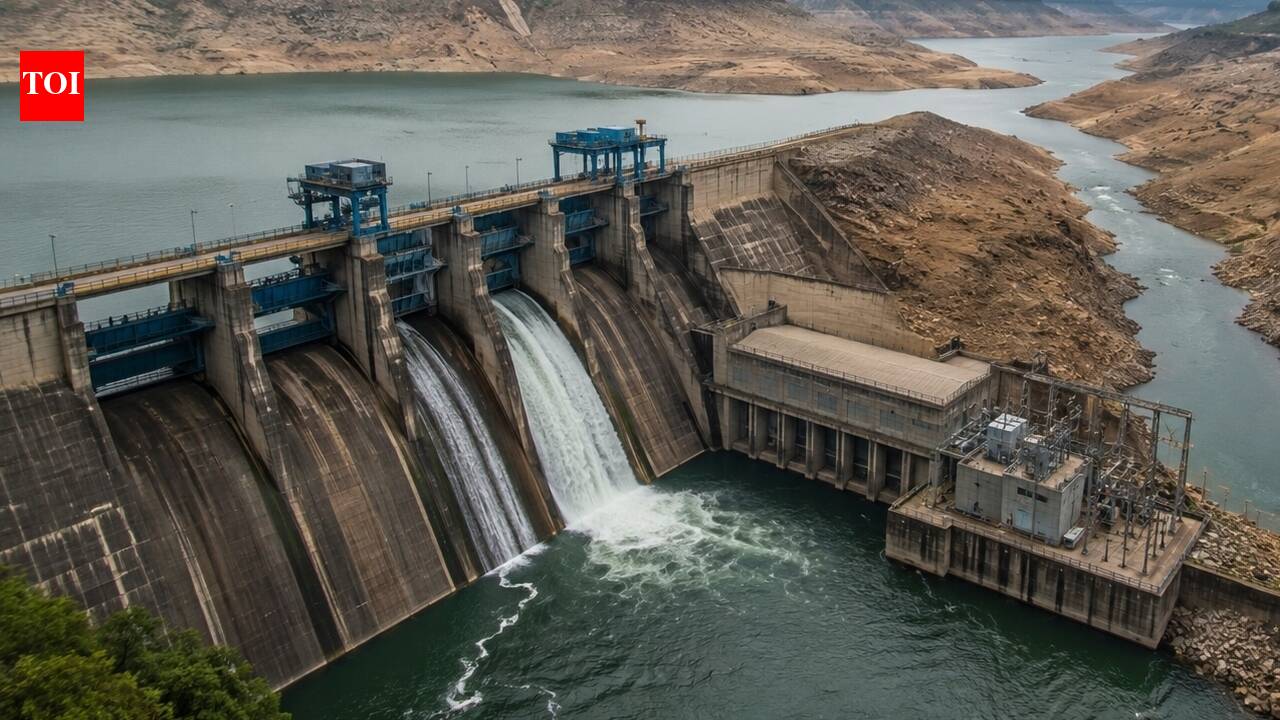
India’s hydropower output slumped by over 20% in June compared with a year earlier, the sharpest year-on-year decline since February 2024, according to data from the power ministry cited in the Times of India. The drop intensified pressure on the power grid during a period of record electricity demand driven by extreme summer temperatures.
The shortfall is directly linked to El Niño conditions in the Pacific Ocean, which have weakened the southwest monsoon. The India Meteorological Department (IMD) reported that cumulative rainfall across the country was 38% below normal until July 1. As of July 2, the Central Water Commission monitored 166 reservoirs holding 47.7 billion cubic metres of water—only about one-fourth of their total storage capacity and 39% lower than the same date last year.
Hydropower Generation and Energy Mix
Electricity generation from hydroelectric projects declined nearly 21% year-on-year in June, marking the steepest fall since February 2024. For the quarter ended June, hydropower was down almost 7% . To compensate, coal-fired, nuclear, and renewable energy plants increased output to meet record electricity demand triggered by extreme temperatures, the report noted.
| Metric | Value | Change vs. year ago |
|---|---|---|
| Hydropower generation (June) | – | Down ~21% YoY |
| Reservoir storage (Jul 2) | 47.7 bcm | 39% lower |
| Cumulative rainfall (to Jul 1) | – | 38% below normal |
| Kharif acreage (to Jul 6) | 350.85 lakh ha | Down 21% YoY |
The rainfall deficit narrowed to 20% during the first week of July as the monsoon gathered momentum, bringing widespread rain to central, western and parts of southern India, according to IMD data. Reservoir levels are expected to improve as the monsoon advances.
Agricultural Impact: Kharif Sowing Slumps
The weak monsoon also disrupted the critical kharif sowing season. According to agriculture ministry data released on Monday, total acreage under kharif crops fell 21% as of July 6 compared with the same period last year. The area sown stood at 350.85 lakh hectares versus 442.8 lakh hectares a year earlier.
- Paddy: 60.24 lakh ha, down 13% from 69.3 lakh ha
- Pulses: 37.15 lakh ha, down from 47.49 lakh ha
- Coarse cereals (Shri Anna): 60.12 lakh ha, down from 71.86 lakh ha
- Oilseeds: 66.31 lakh ha, down sharply from 109.27 lakh ha (steepest decline)
- Cotton: 63.18 lakh ha, down from 82 lakh ha
The drop in oilseeds and cotton acreage is particularly significant for commodity markets, as reduced planting may tighten supplies later in the season.
Outlook
The IMD has projected that rainfall in July will remain below 94% of the long-term average, although precipitation has picked up in recent days. Traders and analysts will watch upcoming weekly reservoir data and crop progress reports for further direction. The combination of reduced hydropower availability and weaker monsoon raises the risk of higher coal-fired generation and potential upward pressure on coal prices, while lower kharif acreage could support oilseed and cotton prices in coming months.
Sources:


