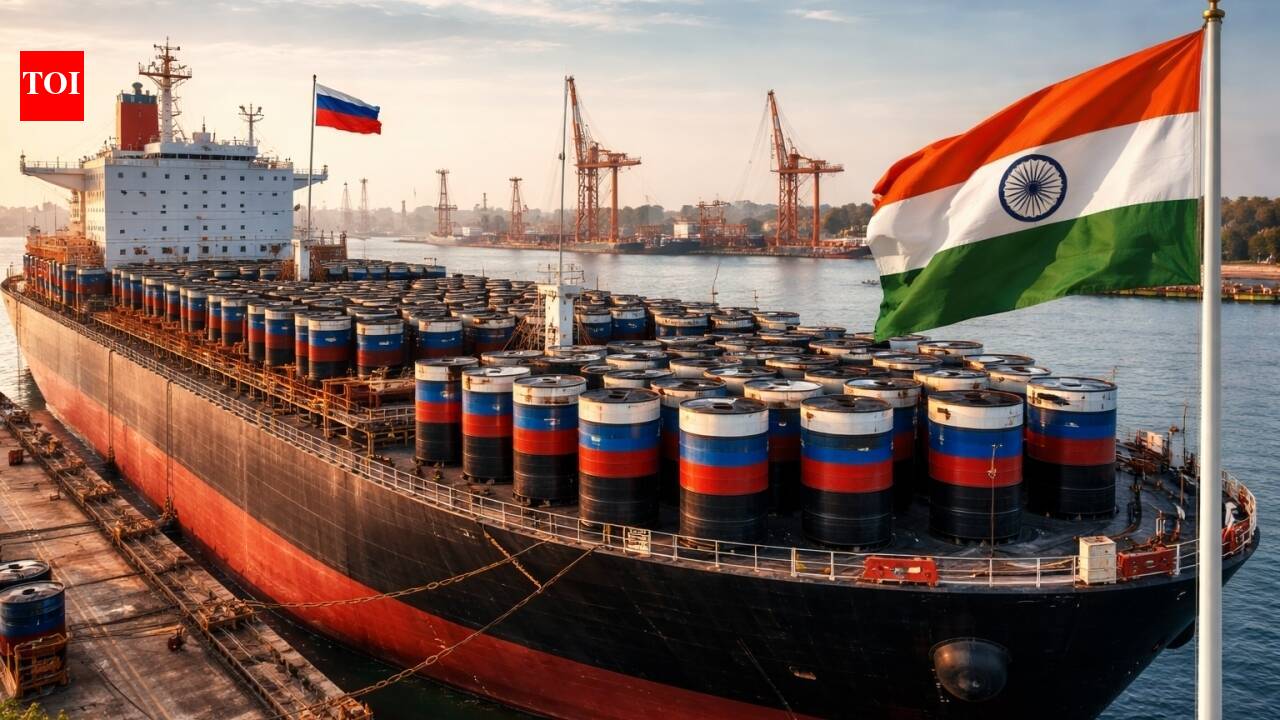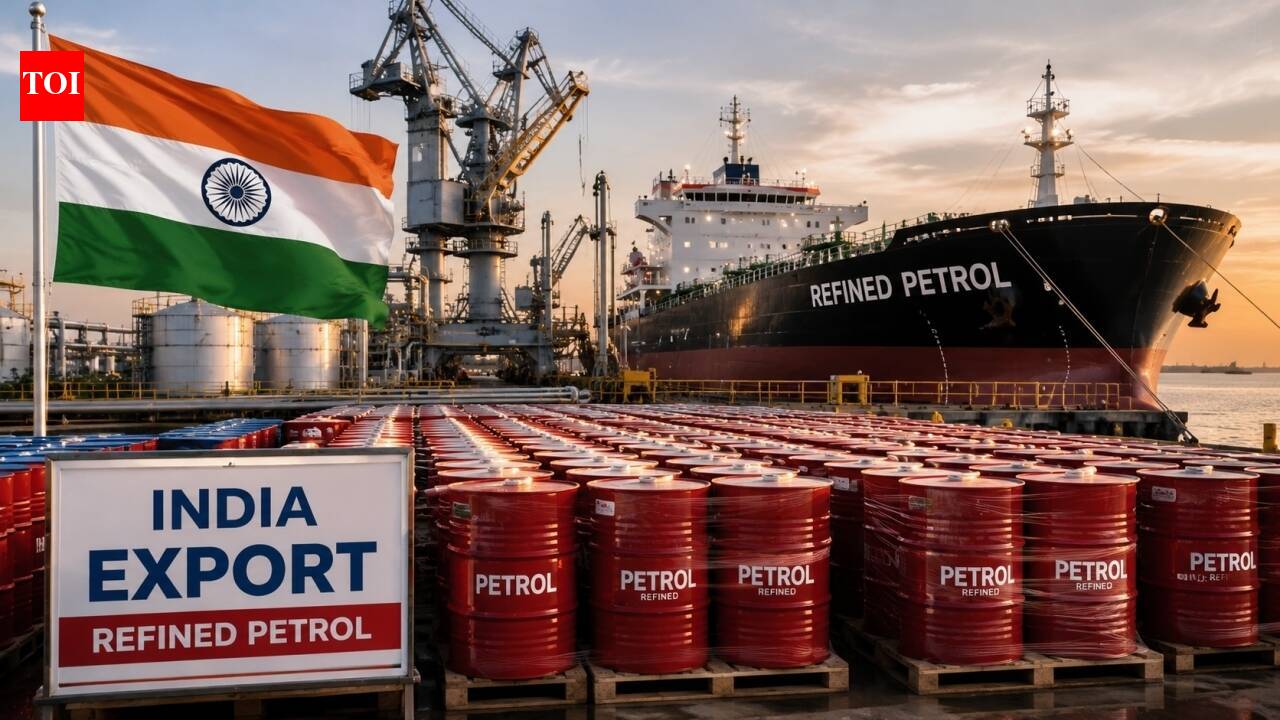
India's refined fuel exports surged to a one-year high in July, with shipments reaching 1.53 million barrels per day (bpd) — 27% above the preceding 12-month average — according to shipping data from analytics firm Kpler reported by Economic Times. The volume marked the highest for any July since Kpler's records began in 2017, driven by exceptionally strong diesel margins and the ban on Russian diesel exports.
Diesel margins and Russia's export ban
Economic Times reported that robust diesel margins, Russia's diesel export ban and ample crude supplies during the brief truce in the Iran war created favourable conditions for Indian refiners to maximise exports. The wars in West Asia and Europe have reshaped global fuel trade flows, driving up prices and creating opportunities for exporters, the report said.
"Exceptionally strong diesel margins, following the ban on Russian diesel exports, incentivised exports (from India), with cargoes headed to regions previously supplied by West Asia and Russia to fill the supply void," said Nikhil Dubey, lead analyst for refining at Kpler.
Supply side: refinery runs and crude availability
Refineries like Reliance Industries and Nayara Energy processed more crude volumes, according to Economic Times. Ample crude availability followed the brief Iran-US truce, and refiners maximised their export capabilities last month. Reliance Industries (RIL) accounts for about three-quarters of India's refined fuel exports, the report said. Rosneft-backed Nayara Energy, the other major exporter, reportedly shipped fuel to Russia last month.
Demand side: supply voids and trade flow shifts
Ukraine's attacks on Russian refineries forced Moscow to ban petrol and diesel exports, leaving Russia dependent on imports — including from India — to meet domestic fuel demand, Economic Times reported. Countries like Turkey, which traditionally sourced fuel from Russia, are now buying Indian cargoes as substitutes, according to Dubey. Cargoes from India are heading to regions previously supplied by West Asia and Russia to fill the supply void created by the conflicts.
Key July export metrics at a glance
| Metric | Value | Source |
|---|---|---|
| July refined fuel exports | 1.53 million bpd | Kpler shipping data |
| Change vs preceding 12-month average | +27% | Kpler |
| Highest July on record | Since 2017 | Kpler |
| RIL share of India's refined fuel exports | About three-quarters | Economic Times |
Trade flow implications for commodity traders
The July export data underscores how geopolitical disruptions in Russia and the Gulf are redirecting global refined product flows. India has emerged as a key swing supplier, with cargoes substituting Russian and West Asian volumes in markets such as Turkey. For traders tracking diesel cracks and refined product arbitrage, the Kpler data confirms that Indian refiners — led by RIL and Nayara Energy — are operating at elevated export levels, supported by strong margins and ample crude supply. Any change in the Russia export ban or the West Asia and Europe conflicts will directly affect Indian export volumes and the pricing of diesel cargoes in regions previously served by Moscow and the Gulf.
Sources: