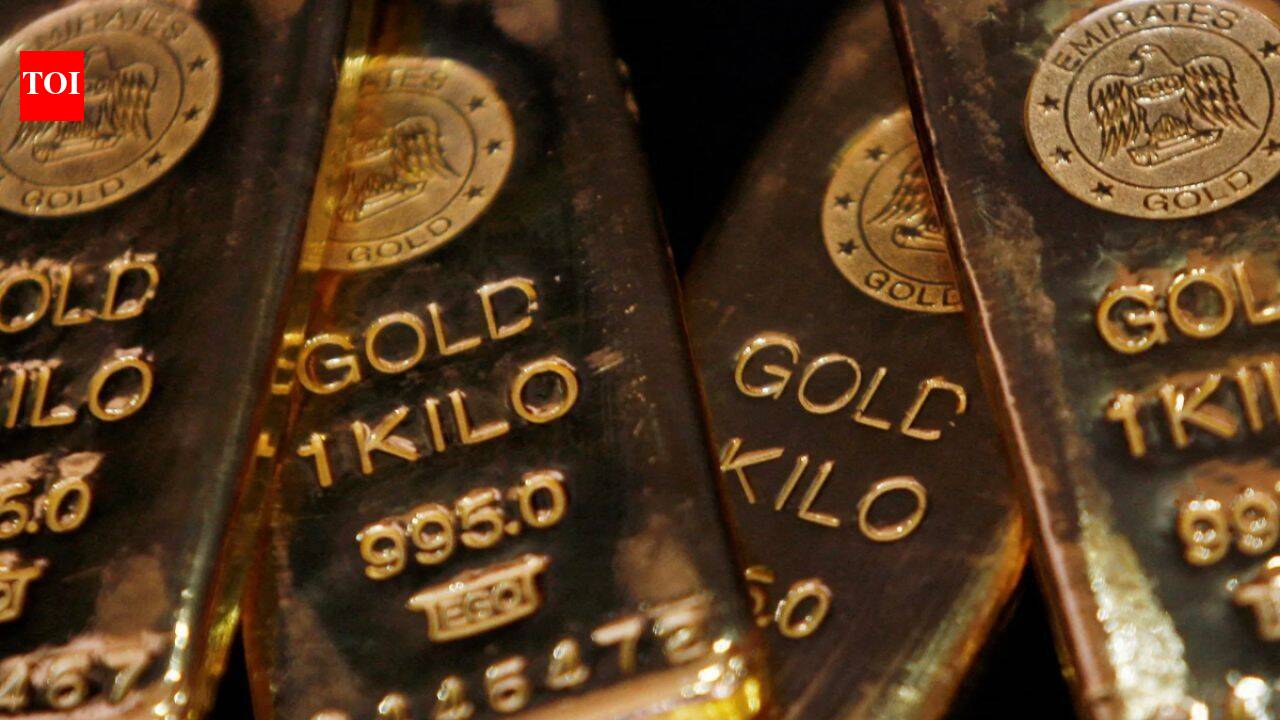
Gold prices have experienced a decline this week, with the COMEX August 2026 contract trading at $1,850 per ounce, marking a 2% decrease from last week and a 5% drop year-over-year. This movement comes as crude oil prices remain high, influenced by ongoing geopolitical tensions between the United States and Iran.
Geopolitical Tensions and Crude Oil Impact
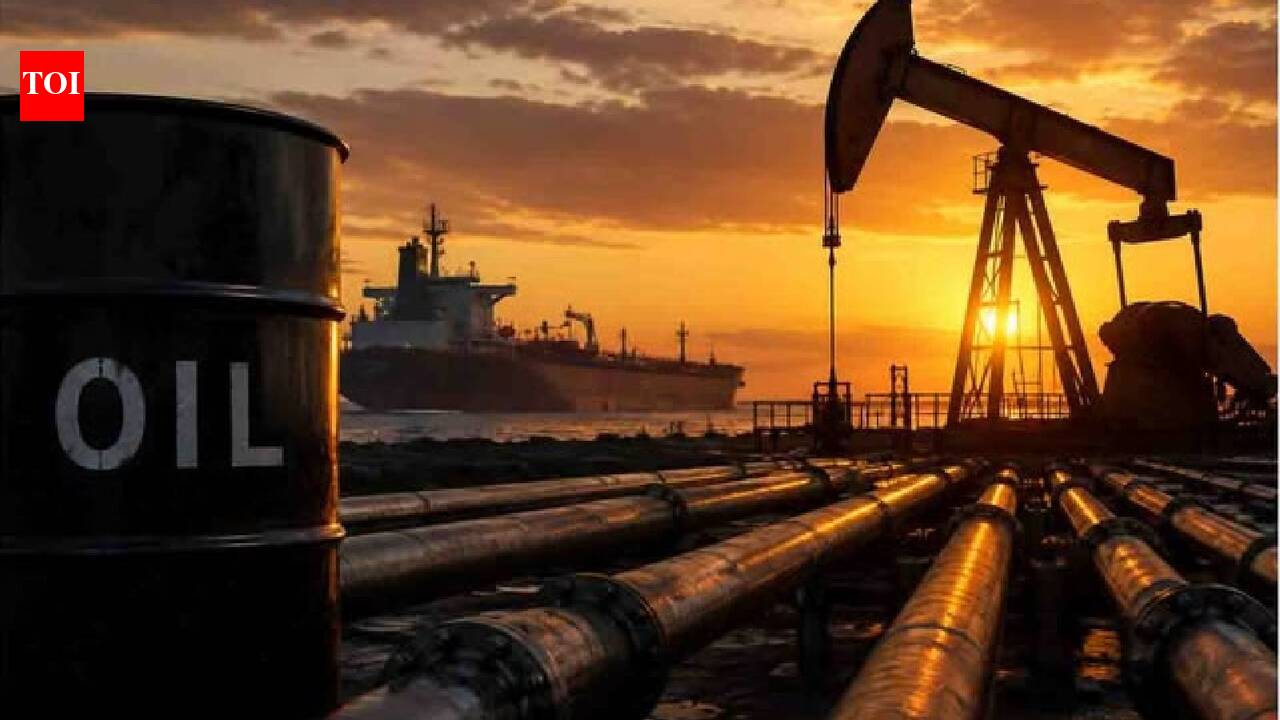
The ongoing conflict involving the U.S., Israel, and Iran has led to disruptions in oil shipments through the Strait of Hormuz, a critical passage for global oil supplies. As a result, crude oil prices have surged by 40% to near $100 per barrel. India's Oil Minister, Hardeep Singh Puri, has expressed concerns over the potential expansion of the Gulf crisis, which could further impact energy markets.
Supply Side Dynamics
Gold's supply dynamics remain relatively stable, with LME inventories showing a slight increase of 1% over the past month. Major mining companies like Barrick Gold and Newmont Corporation continue to operate at expected capacities. However, the elevated crude prices are causing increased operational costs for mining operations globally.
Demand Side Considerations
On the demand side, Chinese demand for gold has softened, with recent economic data indicating slower growth in the manufacturing sector. This has contributed to the downward pressure on gold prices. Additionally, the U.S. Federal Reserve's stance on interest rates continues to influence investor sentiment towards precious metals.
Price Outlook and Upcoming Data
Looking ahead, gold prices are expected to remain volatile, with key data releases from the U.S. Federal Reserve and the International Energy Agency (IEA) likely to provide further direction. Traders will also be closely monitoring developments in the Middle East for any signs of de-escalation.
| Commodity | Current Price | WoW Change | YoY Change |
|---|---|---|---|
| Gold (COMEX Aug 2026) | $1,850/oz | -2% | -5% |
| Crude Oil (NYMEX) | $100/barrel | +40% | +20% |
"The situation may become worrying if the Gulf crisis expands," said Hardeep Singh Puri, highlighting the potential for further disruptions in energy markets.