India's crude oil imports from Russia surged in June, while shipments from the United Arab Emirates were near-record levels as refiners sought to secure supplies ahead of the full restoration of flows from Gulf producers following the reopening of the Strait of Hormuz, according to analysts.
Surging Russian and UAE imports
India imported an average of 2.66 million barrels per day (bpd) of crude oil from Russia in June (through June 19), up from 1.91 million bpd in May, data from maritime and commodity intelligence firm Kpler showed, cementing Moscow's position as the country's largest oil supplier.
Imports from the United Arab Emirates stood at 6,36,000 bpd in June (through June 19), marginally below the record 6,44,000 bpd imported in May, while Venezuela emerged as India's fourth-largest crude supplier with shipments of 2,09,000 bpd, behind Saudi Arabia's 384,000 bpd. Imports from the United States fell sharply to 91,000 bpd from 2,52,000 bpd in May, according to Kpler data.
| Supplying Country | May 2026 (bpd) | June 1-19, 2026 (bpd) | Change |
|---|---|---|---|
| Russia | 1,910,000 | 2,660,000 | +39% |
| UAE | 644,000 | 636,000 | -1.2% |
| Saudi Arabia | — | 384,000 | — |
| Venezuela | — | 209,000 | — |
| United States | 252,000 | 91,000 | -64% |
Diversification amid Hormuz disruption
The purchases underscore India's strategy of diversifying sourcing, with Russian barrels remaining attractive due to discounts and UAE supplies helping offset uncertainty surrounding shipments through the strategic waterway of the Strait of Hormuz.
India, the world's third-largest energy importer, depends heavily on the Gulf region for crude oil, LNG and LPG. Supplies were disrupted after Iran closed the Strait of Hormuz, following US and Israeli attacks, choking a key energy artery that carries about 20 per cent of global oil consumption and serves as the principal export route for Gulf producers, including Saudi Arabia, Iraq, Kuwait, the United Arab Emirates and Qatar.
Oil shipments through the Strait of Hormuz began recovering late last week after the US and Iran agreed to a ceasefire. However, the truce remains fragile, with Iranian authorities accusing Israel of violating the agreement, raising concerns over the durability of the reopening.
Supply-side resilience and LPG vulnerability
According to Sumit Ritolia, Senior Manager – Modelling at Kpler, a reopening of the Strait of Hormuz is expected to provide the quickest relief to India's liquefied petroleum gas (LPG) supplies, while crude oil and liquefied natural gas (LNG) imports are likely to see a more gradual normalisation as the country has already adapted to months of disruption through diversification and alternative supply routes.
The impact of the Strait of Hormuz disruption varied sharply across fuels, with LPG emerging as the most affected commodity, while crude and LNG imports proved relatively resilient due to alternative sourcing and bypass infrastructure.
Ritolia expects the initial phase of reopening to focus on clearing stranded cargoes and restoring shipping flows before Gulf producers materially increase exports.
"A reopening of the Strait of Hormuz (SoH) would represent a major milestone for global energy markets, but the impact on India is likely to vary significantly across commodities." — Sumit Ritolia, Kpler
"While India remains one of the largest importers of Middle Eastern hydrocarbons (crude, LPG, and LNG), crude and LNG imports have proven relatively resilient throughout the disruption, unlike LPG, which has been the most severely affected."
As a result, the recovery is likely to be sequential, with LPG flows normalising first, followed by LNG and crude. "Under our base case of a gradual reopening from early July, the initial focus will be on clearing trapped cargoes and restoring shipping flows before Gulf exporters can materially increase exports," he said.
India's heavy import dependence
India imports about 88 per cent of its crude oil needs, nearly half of its natural gas requirement and around 65 per cent of its LPG consumption. Pre-war, the Gulf region supplied roughly half of the country's crude imports, two-thirds of its LNG requirement and nearly 90 per cent of India's LPG imports.
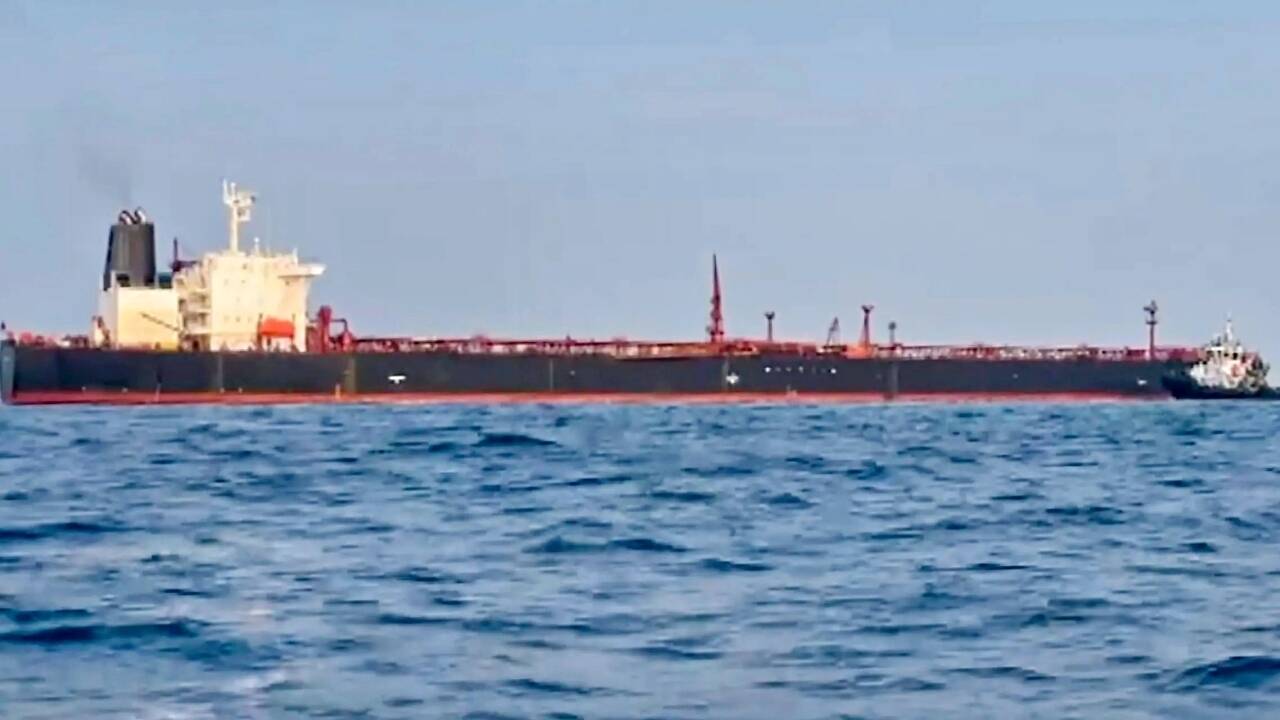
Recent signs of normalisation have already emerged. Three Indian-flagged oil tankers carrying more than 8,60,000 tonnes of crude and an Indian LPG carrier are reportedly heading toward the Strait of Hormuz, according to shipping data, indicating the initial clearing of stranded cargoes.
For commodity traders and procurement teams, the sequential recovery pathway outlined by Kpler means that LPG prices may normalise faster than crude or LNG, while Russian crude will likely remain a cornerstone of Indian imports due to persistent discounts. The fragile ceasefire and ongoing accusations between Iran and Israel introduce downside risk to a full recovery, keeping Gulf supply premiums elevated in the near term.
Sources: