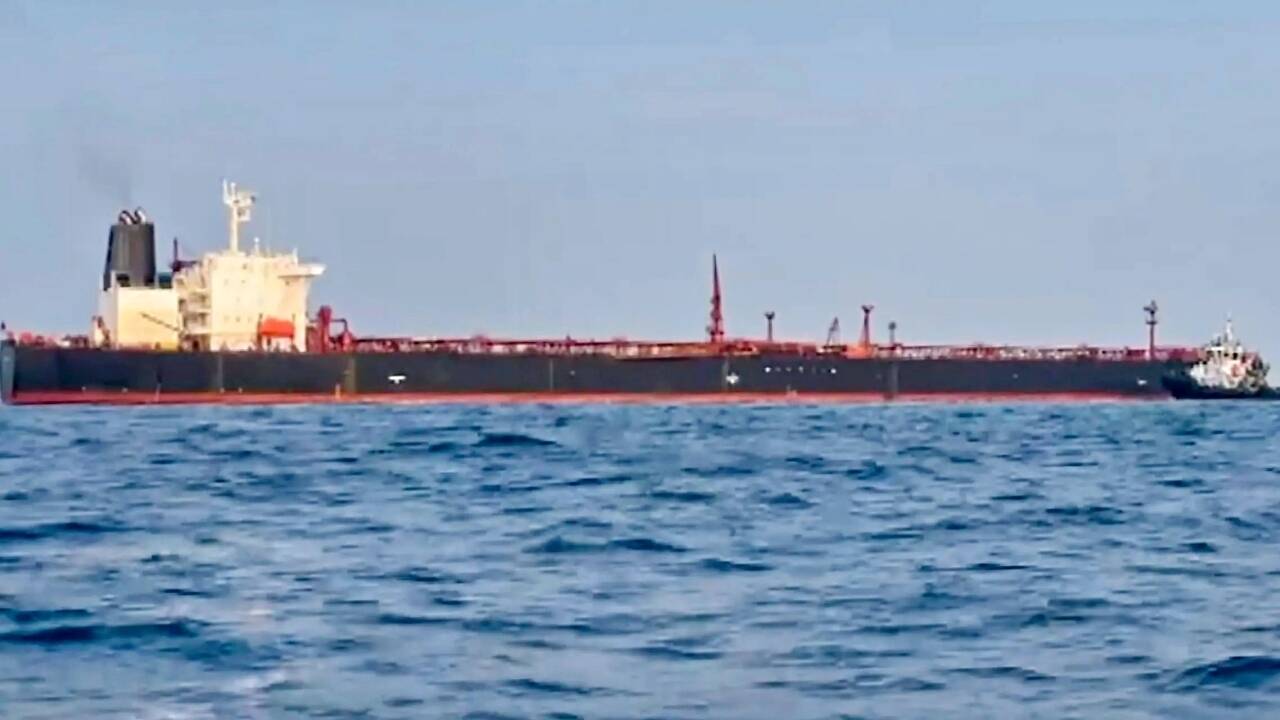
India's crude oil imports from Russia remain near all-time highs in July, averaging approximately 2.45 million barrels per day (bpd) according to Kpler, a global real-time data and analytics provider, despite the Donald Trump administration not extending a sanctions waiver. This level is close to the record 2.64 million bpd seen in June 2025. Russia has emerged as the key crude oil supplier for India amid the ongoing US-Iran conflict and the closure of the Strait of Hormuz.
Supply Dynamics Amid Hormuz Disruption
Some Middle East countries, such as the United Arab Emirates (UAE) and Saudi Arabia, continue to show supply resilience through alternative routes due to the Strait of Hormuz closure. In July so far, the UAE has averaged 617,000 bpd, ranking second among India's suppliers, while Saudi Arabia is third with 586,000 bpd. Venezuela has also expanded its presence and now features among India's top five crude suppliers. Since March, the UAE and Saudi Arabia have ranked as the country's second and third largest suppliers, respectively.
| Supplier | July Average (bpd) | Rank |
|---|---|---|
| Russia | 2,450,000 | 1 |
| UAE | 617,000 | 2 |
| Saudi Arabia | 586,000 | 3 |
According to Kpler, Russia has strengthened its position as India's largest crude oil supplier, with shipments of almost 300 million barrels during the four and a half months since the US-Iran conflict began.
Russia's Dominance in India's Crude Basket
Before February 2022, Russian oil accounted for barely 2% of India's crude import basket. Between 2023 and 2025, however, it became the country's largest source of crude, contributing roughly one-third of total imports, supported by discounts that at their peak ranged between $15 and $30 per barrel. The shift reflects India's proactive diversification strategy, as noted by industry experts.
India has arguably been one of the best-positioned major importers, successfully maintaining crude inflows through proactive diversification and procurement strategies. — Sumit Ritolia, Lead analyst, Modelling and Refining
Ritolia added that import data demonstrates this resilience, with India's crude purchases from alternative suppliers remaining strong despite supply disruptions affecting parts of the Middle East. Indian refiners have effectively secured replacement cargoes while maintaining favourable refinery economics.
Outlook and Key Data Releases
India's crude procurement pattern during the US-Iran conflict reflects a flexible and well-diversified sourcing strategy, according to industry experts. With the Strait of Hormuz still disrupted and no sanctions waiver from the US, India continues to rely heavily on Russian crude while maintaining alternative supply routes from the UAE, Saudi Arabia, and Venezuela. Traders will watch upcoming Kpler data for any shift in import flows as the geopolitical situation evolves.
Sources: