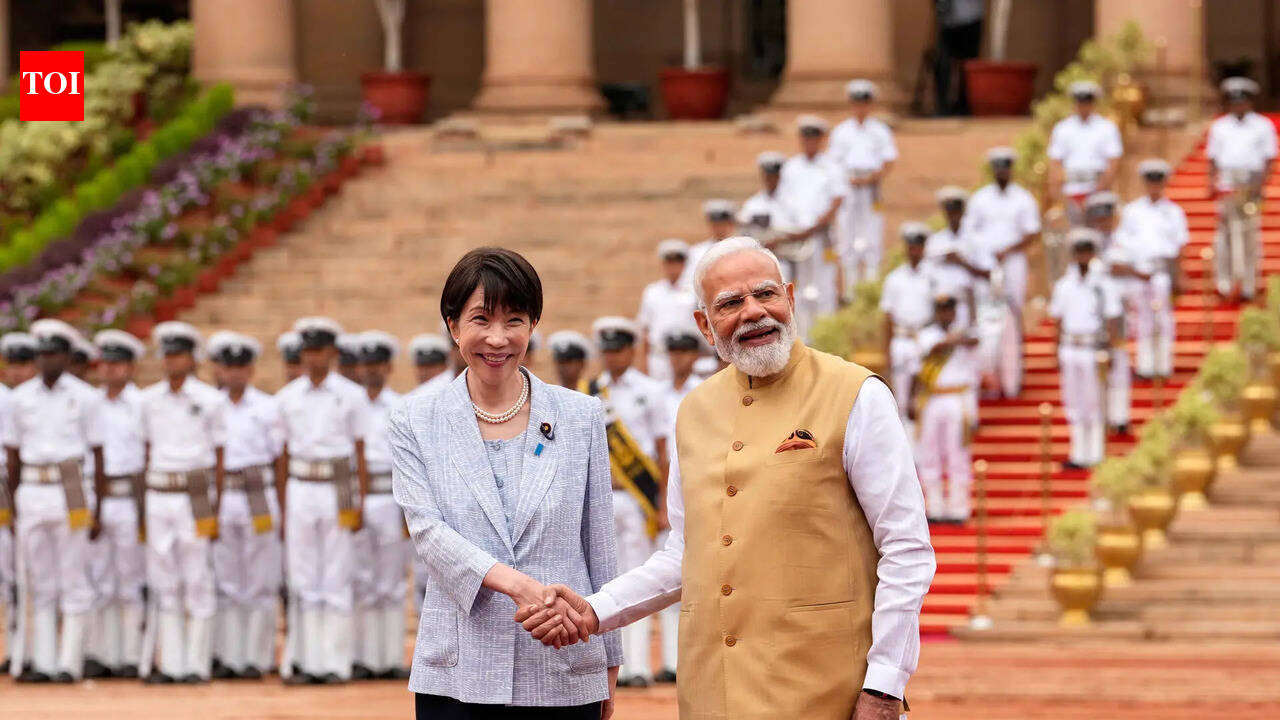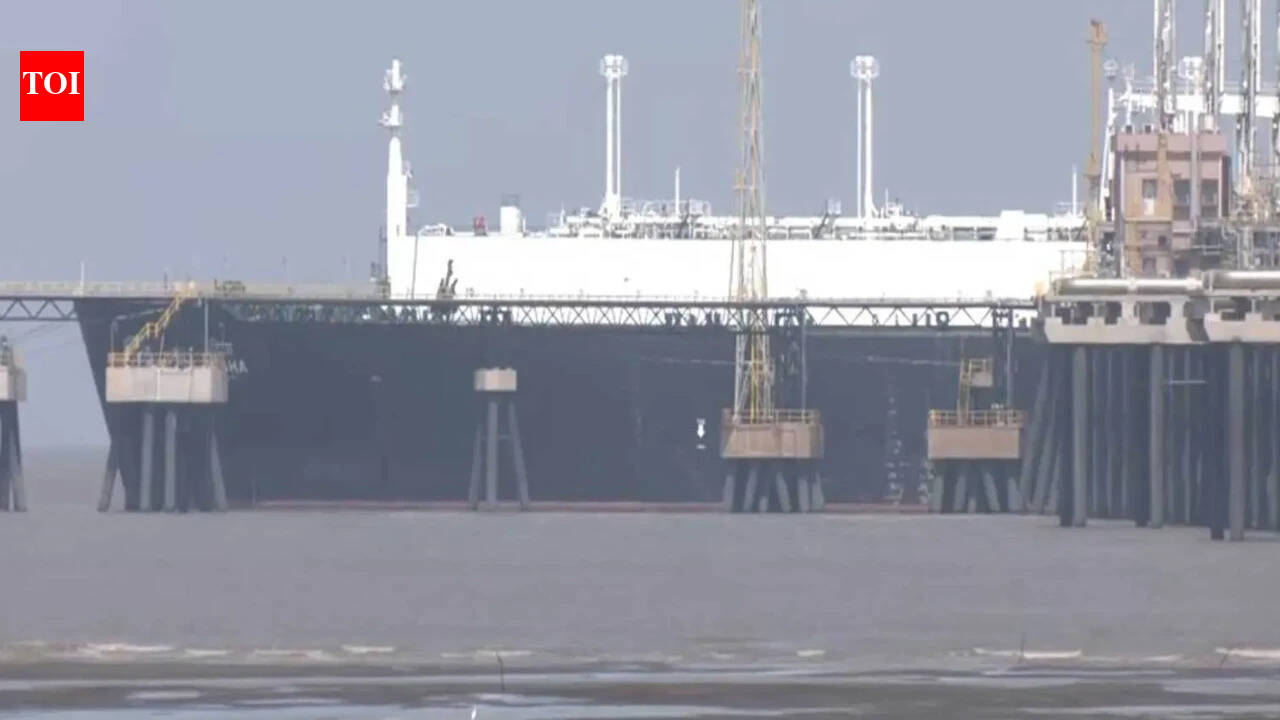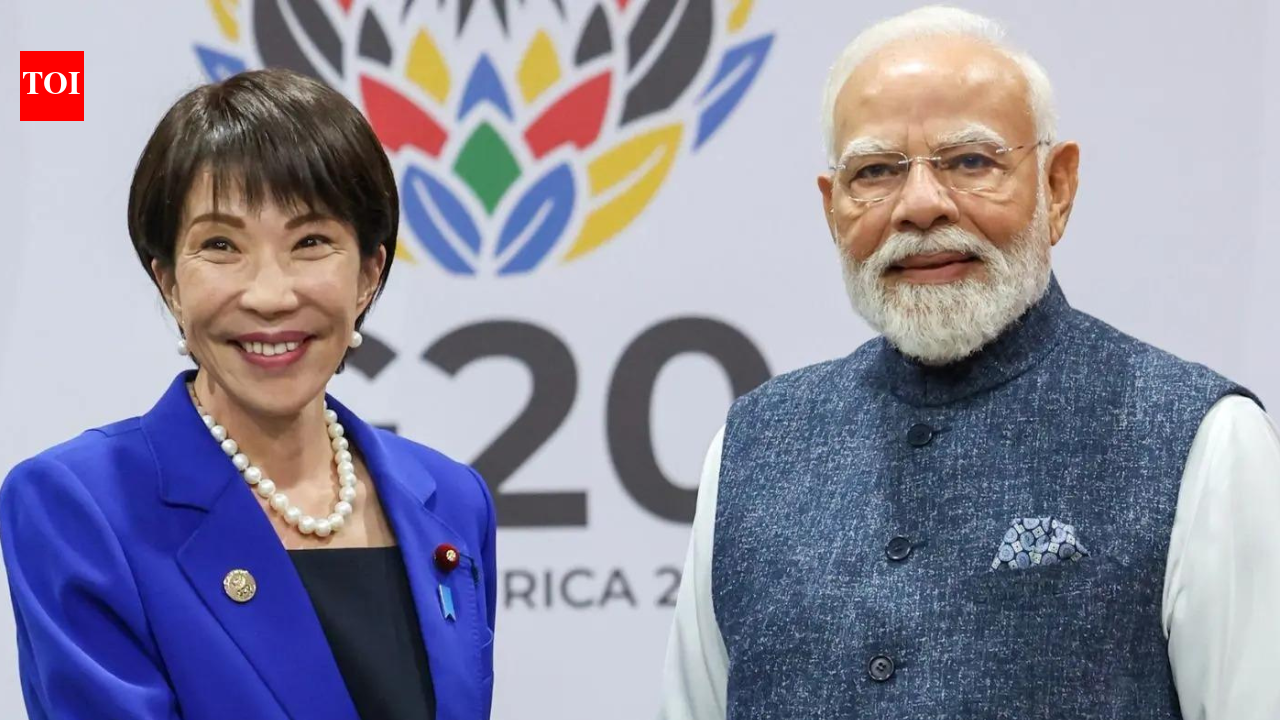
India and Japan are set to sign an agreement to strengthen liquefied natural gas (LNG) supply security amid ongoing global supply chain disruptions, with the pact expected to be concluded during Thursday’s annual summit between Prime Minister Narendra Modi and Japanese Prime Minister Sanae Takaichi, according to a report by Business Today citing people familiar with the matter.
LNG Security Pact Details
The two countries are considering setting up a joint task force to coordinate LNG stockpiling, improve energy security cooperation and promote information-sharing between their governments. The creation of the task force is expected to be included in the joint statement issued after the summit.
The move comes as both countries look to prepare for possible future disruptions in global energy markets. India remains heavily dependent on West Asia for LNG supplies, while Japan sources around 10 per cent of its LNG imports from the region.
Strategic Context
Takaichi’s three-day visit to India, beginning Wednesday, is expected to focus heavily on economic security and strengthening supply chains in key sectors. The summit comes at a time when both countries are seeking deeper strategic coordination amid changing geopolitical dynamics in the Indo-Pacific. Takaichi is expected to push for stronger cooperation with India as China expands its influence in the region and questions remain over the future role of the US in regional affairs.
Broader Cooperation Agenda
The summit is likely to result in agreements covering energy resilience, critical minerals, semiconductors, artificial intelligence and other emerging technologies. The two countries are expected to announce around a dozen government-level agreements and nearly 120 memoranda of understanding between private companies during the visit.
Key areas of cooperation include:
- Critical mineral exploration
- Mobility
- Pharmaceuticals
- Biogas
- Upstream oil and gas development
A joint statement on AI cooperation and a declaration on economic security, including diversification of energy resources and decarbonisation efforts, are likely to be among the major outcomes.
Japan is also expected to highlight planned private-sector investments of around 10 trillion yen in India over the next decade during the India-Japan Joint Economic Forum, which will be attended by more than 100 Japanese business leaders. Executives from companies including Suzuki Motor, Itochu and Toyota Tsusho are expected to be part of Takaichi’s delegation.
Regional and Energy Resilience
The leaders are also expected to discuss regional issues, including developments in Ukraine, West Asia and the Indo-Pacific, while reaffirming their commitment to the Quad grouping involving India, Japan, the US and Australia. The summit will build on the India-Japan Joint Vision for the Next Decade adopted during the previous annual meeting in Tokyo in 2025. That framework identified cooperation areas including the economy, economic security, mobility, environment, technology and innovation, health, people-to-people ties and state-level engagement.
Japan and India are also expected to advance discussions on energy resilience initiatives in the Indo-Pacific, including Japan’s Partnership on Wide Energy and Resources Resilience Asia (POWERR Asia), launched after disruptions caused by the West Asia conflict and shipping challenges in the Strait of Hormuz.
Implications for Commodity Markets
For commodity traders and analysts, the LNG security pact signals a strategic shift by two major Asian importers to reduce vulnerability to supply shocks. The creation of a joint task force for stockpiling and information-sharing could enhance market transparency and potentially influence LNG pricing dynamics in the region. The focus on West Asian supply routes underscores persistent geopolitical risks, while Japan's 10% reliance on that region highlights the stakes for both countries. The broader agenda—including critical minerals and semiconductors—also points to deepening supply chain cooperation beyond energy.
Sources: