For the first time, India has supplied gasoline to Russia — a reverse flow that underscores how four years of war in Ukraine have upended global energy trade. According to a Reuters report cited by Business Today, traders sold gasoline produced by Nayara Energy, a Russia-backed refinery in India, with around 60,000 metric tons dispatched from India to Russia last week.
Supply Disruption Drives Reverse Trade
The catalyst is a sharp decline in Russia's domestic refining capacity due to persistent Ukrainian drone attacks. Sourav Mitra, Partner - Oil & Gas at Grant Thornton Bharat, told TOI that Russian refinery throughput fell to its lowest level since 2009, with average runs declining to about 4.69 million b/d by April 2026. Nikhil Dubey, Lead Analyst at Kpler, added that around 45% of Russia's refining capacity — equivalent to approximately 3.3 mbd — was taken offline in June due to attacks.
| Metric | Value | Source |
|---|---|---|
| Gasoline dispatched from India | 60,000 metric tons | Reuters via Business Today |
| Russian refining capacity impacted | >40% | Estimates cited by Mitra |
| Refinery throughput (April 2026) | ~4.69 million b/d | Grant Thornton Bharat / TOI |
| Capacity offline (June 2026) | ~3.3 mbd (45% of total) | Kpler / TOI |
| Regions in Russia reporting shortages | 78 out of 83 | Grant Thornton Bharat / TOI |
| Year-on-year gasoline production decline | ~25% | Grant Thornton Bharat / TOI |
The damage extends beyond crude distillation units. Mitra noted that secondary conversion capacity — critical for producing gasoline and diesel from intermediate products — has been severely hit. Restoring these complex units takes significantly longer due to lengthy manufacturing and delivery lead times for replacement equipment, Dubey explained.
India's Role and Official Clarifications
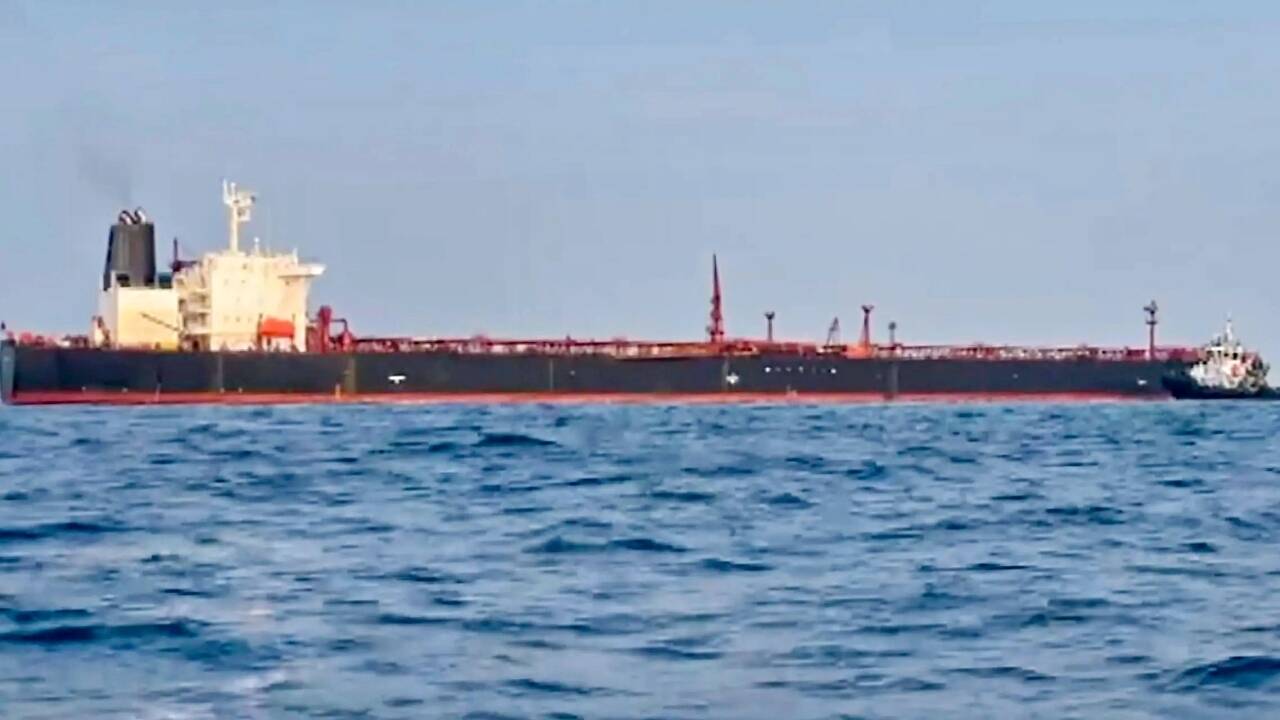
India's oil minister Hardeep Singh Puri stated that Indian companies are not directly selling gasoline to Russia. "Because of damage to its refineries due to the war, Russia has probably started buying gasoline from India. As far as I know, it has not been bought from any of our companies. It is the purchase of Indian-origin products from a trader," the minister said. The vessel Agni loaded gasoline at Vadinar (Gujarat) for Fujairah on June 20, but LSEG vessel-tracking data later showed it passing Fujairah and transiting the Suez Canal northbound, illustrating the opaque nature of the trade route, according to Mitra.
Russia's Domestic Fuel Crisis
Russia, one of the world's largest crude oil exporters and refiners, now faces a structural supply deficit in gasoline. Mitra reported that 78 of 83 Russian regions have experienced gasoline shortages or supply disruptions. In response, Moscow imposed temporary restrictions on gasoline exports to prioritise domestic availability and began seeking imports. Gasoline production has declined by approximately 25% year-on-year, exacerbated by peak summer demand. The mismatch between Russia's crude production capacity and its shrinking refining ability explains why it continues exporting naphtha and fuel oil while struggling to meet domestic gasoline and diesel needs.
Implications for Global Trade
This reverse flow is a direct consequence of the Ukraine war, which earlier made Russia India's largest crude oil supplier. India's imports of Russian crude reached a record high, while now India is exporting refined products back to Russia. The incident highlights how sanctions and war are reshaping global energy flows, with traders and refiners navigating complex logistics. For commodity traders, the key takeaway is that Russia's refining vulnerability is likely to persist, keeping pressure on global gasoline markets and sustaining opportunities for alternative suppliers.
Sources: