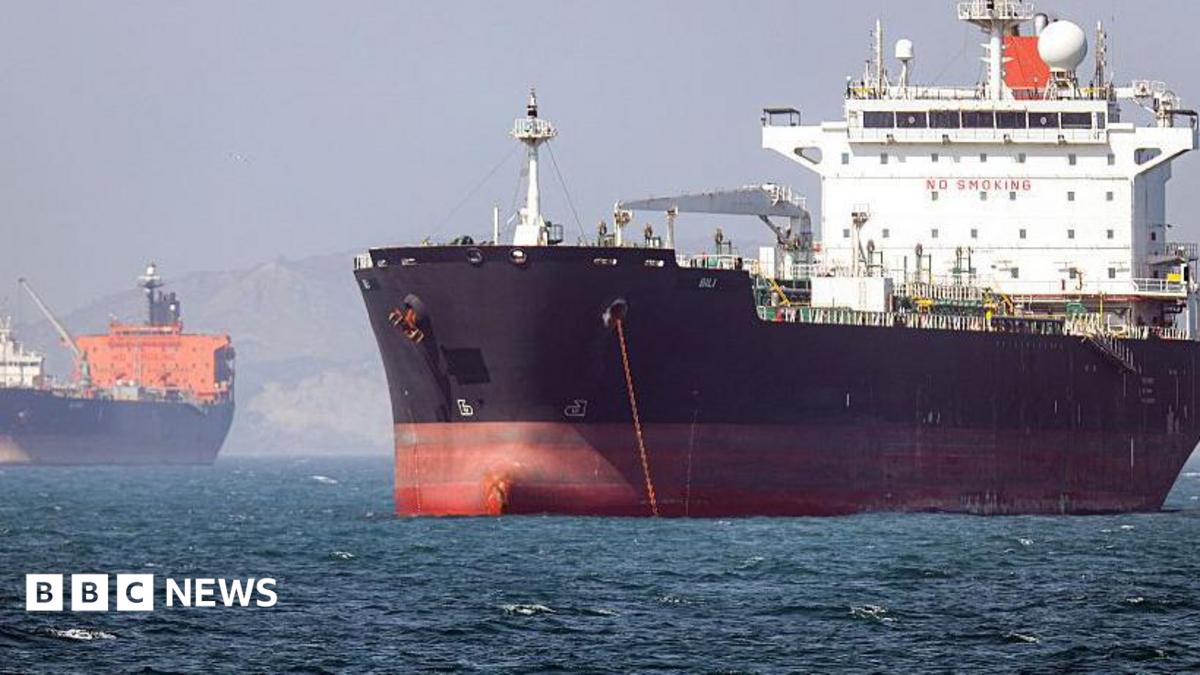
Crude oil flows through the Strait of Hormuz have returned to levels similar to those before the start of the Iran war, with tankers exiting the key waterway under military escort, according to U.S. Energy Secretary Chris Wright. Speaking at the Reuters Global Energy Forum in New York on Wednesday, Wright stated that roughly 20 million barrels of crude oil – about a fifth of world consumption – passed through the strait in the prior 24 hours, aboard approximately 72 ships. "We have normal flows today," he said.
Strait of Hormuz Operations Normalizing
Shipments through the narrow waterway bordering Iran had been severely curtailed for months by the conflict that began in February. Wright noted that many vessels exiting the strait are avoiding the main channel due to fear of mines, instead passing close to the Iranian coast or along the southern route near Oman, with military escorts. While the number of ships is lower than usual, many of those transiting are larger in size, he added. The continued presence of mines means that a full return to normal navigation may take additional time. "To return to complete normalcy takes a demining of the strait, probably a few weeks' effort," Wright said.
Price Reaction and Market Impact
Benchmark oil prices fell more than $3 on Wednesday to their lowest level since before the Iran war began in February, as supply concerns eased with more stranded oil tankers exiting the strait. The price drop reflects the market's reassessment of supply risk after the initial U.S.-Iran agreement to end the conflict led to a resumption of flows in recent days.
| Metric | Value |
|---|---|
| Oil flow (last 24 hrs) | 20 million barrels |
| Ships transiting (last 24 hrs) | ~72 |
| Price move (Wednesday) | > -$3/barrel |
| Lowest since | February 2026 (pre-war) |
Future Risks and Demining Process
Wright emphasized that even if the initial deal reached this month to end the conflict does not hold, oil would continue to flow. "Iran will not have the ability to close the Strait of Hormuz going forward. That's a critical thing, that's their key leverage, and we're taking that leverage away from them," he said, adding that Iran's military is depleted. The demining operation, expected to take a few weeks, is the final hurdle to fully normalized navigation.
Venezuela Oil Exports Poised to Rise
In a related development, Wright stated that Venezuela's oil exports – which the United States has administered since U.S. forces captured former leader Nicolas Maduro in January – are rising and could double from current levels to around 2 million barrels per day by the end of President Donald Trump's administration in 2029. This additional supply could further alleviate global oil market tightness.
"I could say roughly 72 ships in the last 24 hours, and 20 million barrels of oil." – Chris Wright, U.S. Energy Secretary
The combination of restored Hormuz flows and rising Venezuelan output points to a well-supplied crude market in the near term, though traders will watch for any setbacks in the demining process or shifts in the U.S.-Iran agreement.
Sources: